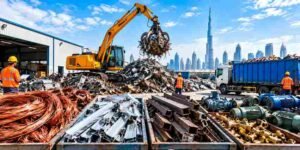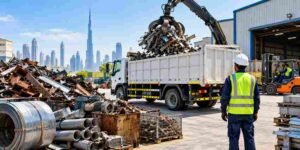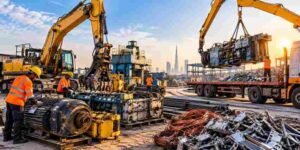

Metal waste is common in factories, warehouses, workshops, construction projects, commercial properties, and maintenance operations. Scrap Metal Disposal in Dubai helps businesses safely remove unwanted materials such as old machinery, steel structures, copper cables, aluminium components, damaged equipment, and metal offcuts while keeping valuable space clear.
Simply leaving unwanted metal in a storage area is rarely a good long-term solution. Scrap can become difficult to organise, restrict access, and interfere with normal business operations. A planned removal and recycling process allows businesses to clear unwanted materials while giving recyclable metals another useful purpose.
Professional collection also becomes important when materials are heavy, oversized, mixed, or difficult to move. Proper assessment and handling can help businesses manage the removal process more efficiently.
What Is Scrap Metal Disposal?
Scrap Metal Disposal in Dubai involves the organised removal, handling, collection, and recycling or appropriate processing of unwanted metal materials. The process can involve both small quantities from workshops and large volumes generated by factories, warehouses, construction projects, and industrial facilities.
Common materials include copper, aluminium, brass, iron, steel, cables, metal pipes, machinery parts, motors, frames, and structural components.
Unlike ordinary waste, many metal materials have recoverable value. Instead of treating useful metals simply as unwanted waste, businesses can send suitable materials into recycling and recovery channels.
Dubai Municipality provides technical guidance covering waste trading, collection and transportation, recycling, and metal waste activities.
Why Proper Metal Disposal Matters.
It Frees Valuable Business Space
Industrial and commercial space is valuable. When old machinery, metal offcuts, cables, and damaged components remain in storage areas for long periods, they can reduce the space available for useful operations.
Removing unwanted metal allows businesses to use storage and working areas more effectively.
It Supports Material Recovery
Metals such as copper, aluminium, brass, iron, and steel can often be recovered and processed for future use. Recycling reduces the need to treat these materials as ordinary waste.
Dubai’s waste-management framework includes objectives around reducing waste sent to landfill and encouraging recovery and recycling.
It Helps Keep Facilities Organised
Accumulated scrap can make a workshop or factory look untidy and can make movement around the site more difficult. Regular collection keeps unwanted materials under control and supports better facility management.
Types of Scrap Metal Commonly Removed
Copper Scrap
Copper is found in electrical cables, wires, motors, air-conditioning systems, plumbing components, and industrial equipment. Because copper can exist in several forms, identifying and separating different materials can help with accurate assessment.
Aluminium and Brass
Aluminium profiles, frames, components, sheets, and machinery parts are commonly found in commercial and industrial environments. Brass can be found in fittings, valves, plumbing parts, electrical components, and industrial hardware.
These non-ferrous metals should ideally be separated from ferrous materials to simplify grading.
Iron and Steel
Steel and iron are widely used in industrial structures, machinery, storage systems, fabrication work, construction materials, and equipment.
Large steel structures and heavy machinery can require additional loading arrangements, particularly when they cannot be moved manually.
| Scrap Material | Common Sources | Factors Affecting Value |
|---|---|---|
| Copper Scrap | Electrical cables, wires, motors, and industrial equipment | Copper grade, purity, and insulation |
| Aluminium Scrap | Profiles, frames, sheets, and machinery parts | Material grade, cleanliness, and condition |
| Brass Scrap | Valves, fittings, pipes, and industrial components | Brass quality, composition, and quantity |
| Steel Scrap | Steel structures, fabrication waste, and metal parts | Weight, thickness, and material condition |
| Iron Scrap | Old equipment, metal structures, and machinery | Quantity, quality, and collection requirements |
| Machinery Scrap | Factory machines, motors, and industrial equipment | Working condition, reusable parts, and metal content |
| Cable Scrap | Electrical wiring and industrial cables | Copper or aluminium content and insulation |
| Mixed Metal Scrap | Factory waste, workshops, and warehouse clearances | Metal composition, sorting, and contamination |
How Professional Scrap Metal Removal Works
Step 1: Initial Assessment
The process begins by identifying what needs to be removed. The buyer may assess material types, quantity, condition, location, access, and loading requirements.
For larger projects, photographs or a site visit can help establish the scale of the collection.
Step 2: Sorting and Preparation
Different metals can be separated before collection. Keeping copper, aluminium, brass, steel, and machinery apart can make the assessment easier.
Mixed or contaminated materials may require additional handling, so accurate information about the scrap helps the collection team prepare appropriately.
Step 3: Weighing and Valuation
After the material has been assessed, its quantity and characteristics are considered when preparing a quotation. Clean material and mixed material may not have the same commercial value.
Current market conditions can also influence the quotation.
Step 4: Loading and Transportation
Once the collection is agreed, the scrap is loaded and transported using suitable arrangements. Dubai Municipality’s published waste-transport guidance specifically identifies metal waste collecting services for scrap metal.
Heavy equipment, oversized metal, and difficult access areas may require additional planning.
Safe Handling of Heavy and Oversized Scrap
Not every piece of scrap should be moved manually. Heavy machinery, large steel sections, industrial equipment, and bulky metal components can require appropriate lifting and loading arrangements.
Businesses should keep workers away from unstable piles and avoid unnecessary dismantling of heavy equipment without suitable knowledge and equipment.
Access should also be considered before collection. Narrow entrances, restricted loading areas, upper floors, and busy industrial sites can affect how materials are removed.
For specialised or regulated waste streams, businesses should confirm the applicable requirements with the relevant authorities or appropriately licensed service providers. Dubai Municipality separately publishes guidance for hazardous waste handling and transportation.
How to Prepare Scrap Metal for Collection
A simple preparation process can make collection more efficient. Businesses should first identify the materials that are no longer required and keep them in a suitable designated area.
Where practical, different metals should be separated. Valuable non-ferrous metals should not be mixed unnecessarily with general steel or other materials.
The collection area should also remain accessible. Removing unnecessary obstacles from the loading route can reduce delays and make the pickup easier.
Businesses should not dismantle potentially dangerous machinery, pressurised equipment, electrical systems, or hazardous materials simply to prepare them for collection. Such work may require specialised handling.
Common Challenges During Scrap Metal Disposal
Mixed Materials
A single pile can contain several different metals along with plastic, rubber, insulation, oil, and other materials. This makes identification and valuation more difficult.
Sorting materials before collection can help create a more organised process.
Heavy Machinery
Old machines can be difficult to move because of their size and weight. A proper assessment should consider how the equipment will be accessed, loaded, and transported.
Restricted Site Access
Some factories, warehouses, and commercial properties have limited loading space or restricted vehicle access. The collection plan should consider these conditions before the pickup.
Large Volumes
Large quantities require more planning than a small scrap collection. Businesses may need to organise the materials into sections and schedule suitable transportation.
Benefits of Professional Scrap Metal Recycling
One of the main advantages is that businesses can recover value from unwanted materials rather than simply allowing them to occupy storage space.
Professional collection can also reduce the time employees spend handling scrap. Instead of using internal staff and equipment for repeated removal tasks, businesses can arrange a dedicated collection service.
Recycling also supports better resource management because metals can re-enter productive use after suitable processing.
For businesses that regularly generate scrap, planned collections can create a more consistent waste-management routine.
Choosing the Right Scrap Buyer in Dubai
When selecting a scrap buyer, businesses should look beyond the quoted price. A reliable service should provide clear communication, proper material assessment, organised collection, and transparent weighing.
It is also useful to choose a buyer experienced with the type of scrap your business generates. A factory clearing machinery, cables, steel, and aluminium may have different requirements from a small workshop selling occasional metal offcuts.
For commercial collections, businesses should also consider site accessibility, loading requirements, collection timing, and the handling arrangements needed for the materials.
Frequently Asked Questions
What metal can be collected for recycling?
Common recyclable scrap includes copper, aluminium, brass, iron, steel, cables, machinery parts, motors, and various industrial metal components.
Can you remove scrap metal from factories?
Yes. Scrap collection can be arranged for factories, warehouses, workshops, construction businesses, and other commercial locations across Dubai.
Is old machinery considered scrap metal?
It can be. However, machinery should first be assessed because functional equipment may have reuse or resale value beyond its metal content.
How is scrap metal valued?
Value can depend on material type, purity, quantity, condition, contamination, equipment condition, and current market conditions.
Should I separate different metals before collection?
Where practical, yes. Separating copper, aluminium, brass, steel, and mixed materials can make inspection and valuation easier.
Conclusion
Scrap metal removal gives businesses a practical way to clear unwanted materials, recover recyclable resources, and maintain organised working areas. Proper sorting, assessment, weighing, safe handling, and transportation can make the process more efficient.
Whether you are removing old machinery, copper cables, aluminium, brass, steel, or mixed industrial scrap, a professional collection service can help simplify the process and recover value from unused materials.
Need professional scrap metal collection in Dubai? BestScrapBuyer provides reliable scrap buying, removal, and recycling services for factories, warehouses, workshops, and businesses.📞 Call: +971 50 997 3816