
Heavy plant machinery plays an essential role in construction, manufacturing, engineering, infrastructure, and industrial operations. However, when equipment becomes outdated, damaged, inefficient, or no longer required, businesses must decide how to dispose of it while recovering as much of its remaining value as possible. How to Liquidate and Scrap Heavy Plant Machinery is an important consideration for factories, construction companies, warehouses, workshops, and industrial facilities managing surplus equipment in Dubai.
Liquidating heavy machinery does not always mean selling it as scrap metal. Equipment that is still operational may have resale value in the second-hand machinery market, while damaged or obsolete machinery can be dismantled to recover valuable materials such as steel, copper, aluminium, brass, and electrical components. Choosing the appropriate disposal method depends on the equipment’s condition, age, resale demand, dismantling requirements, and material composition.
A well-planned machinery liquidation process helps businesses clear valuable floor space, reduce storage and maintenance expenses, improve workplace safety, and recover value from unused industrial assets. By working with experienced machinery buyers and professional scrap recyclers, businesses can manage inspections, valuations, dismantling, transportation, and responsible recycling more efficiently.
What Is Heavy Plant Machinery Liquidation?
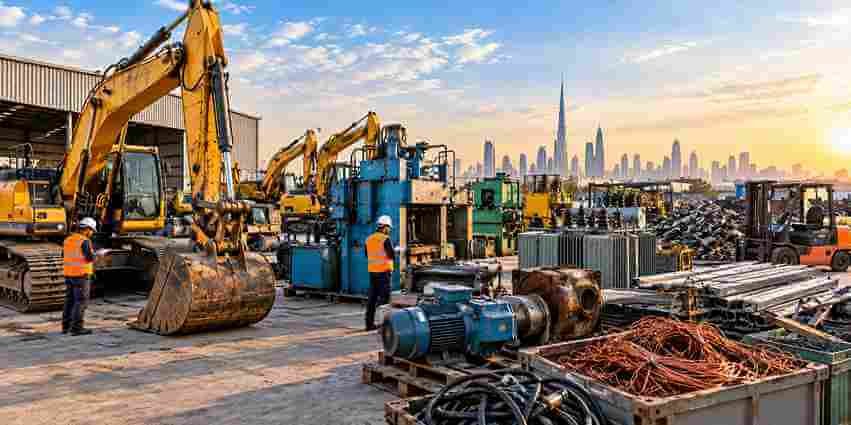
How to Liquidate and Scrap Heavy Plant Machinery involves selling, transferring, dismantling, or recycling industrial equipment that a business no longer needs. This process commonly takes place when factories upgrade production lines, construction companies complete major projects, industrial facilities close, or businesses replace outdated equipment with modern technology.
Machinery liquidation helps businesses identify the most suitable way to recover value from each asset. Some machines can be refurbished and resold, while others may be more valuable when dismantled for recyclable metals and reusable components. This approach helps businesses maximise asset recovery, reduce unnecessary disposal costs, and avoid treating every piece of equipment as low-value scrap.
Types of Machinery Suitable for Liquidation
Industrial liquidation can include a wide range of heavy equipment, depending on the industry and the nature of the operation. Common examples include manufacturing machinery, hydraulic presses, CNC machines, generators, compressors, industrial boilers, excavators, cranes, forklifts, conveyors, transformers, and production line equipment.
Construction and engineering companies may also have surplus loaders, bulldozers, drilling machines, concrete equipment, and other heavy plant assets. Factories often generate liquidation requirements when they replace complete production systems or remove machinery that is no longer compatible with their operations.
When Should Businesses Liquidate Heavy Machinery?
Businesses may consider liquidation when machinery has become inefficient, expensive to maintain, technologically outdated, or unnecessary for current production requirements. Equipment that remains unused for extended periods can occupy valuable operational space and create ongoing storage, inspection, and maintenance costs.
Liquidation may also be appropriate during factory relocation, business restructuring, facility closure, construction project completion, or production line modernisation. Assessing equipment early allows businesses to compare resale and recycling options before machinery deteriorates further.
How to Assess the Value of Heavy Plant Machinery

Before liquidating heavy plant machinery, businesses should establish its condition, remaining useful life, and potential recovery value. An accurate assessment helps determine whether selling the complete machine, dismantling it for parts, or recycling it as scrap is the most suitable option. Machinery value can differ considerably depending on its specifications, operational history, manufacturer, and market demand.
Equipment Condition and Operational Performance
The operating condition of machinery is one of the main factors affecting its resale value. Fully functional equipment with documented maintenance records, available spare parts, and limited wear may attract buyers looking for used industrial machinery. Machines with mechanical faults, damaged electrical systems, missing components, or significant wear may have a more limited resale market.
Businesses should arrange an inspection to document the machine’s condition, identify faults, and record any recent repairs. Even when a machine is no longer suitable for its original operation, individual components such as electric motors, gearboxes, pumps, control panels, and hydraulic assemblies may retain value.
Material Composition and Scrap Value
When machinery is unsuitable for resale, its material composition becomes particularly important. Heavy industrial equipment often contains substantial quantities of recyclable steel, iron, copper, aluminium, brass, and other metals. Electrical motors, transformers, control panels, and wiring may contain recoverable non-ferrous metals that require separate inspection and sorting.
The final scrap valuation depends on the recoverable material grades, net weight, contamination, dismantling costs, transportation requirements, and current market conditions. Professional scrap buyers inspect machinery to distinguish reusable components from recyclable materials before providing a quotation.
Market Demand and Equipment Specifications
The resale value of industrial machinery is also influenced by its manufacturer, model, production capacity, age, technical specifications, and availability of replacement parts. Specialised equipment may attract interest from businesses that use similar production systems, while obsolete machinery may have limited resale demand.
Providing accurate equipment details, photographs, serial numbers, maintenance records, and operational information can help buyers evaluate machinery more effectively. This information also makes it easier to compare offers for complete equipment liquidation against scrap recovery.
Step-by-Step Process to Liquidate and Scrap Heavy Plant Machinery

A structured approach to machinery liquidation helps businesses manage equipment disposal without unnecessary delays, operational disruption, or avoidable handling risks. From the initial assessment to final transportation, each stage should be planned according to the size, condition, and location of the machinery.
Step 1: Inspect and Identify Machinery
Begin by preparing a complete inventory of all machinery intended for liquidation. Record the equipment type, manufacturer, model, approximate age, condition, operating status, and location within the facility. Photographs and maintenance records can help potential buyers understand the equipment before arranging an on-site inspection.
Separate operational machinery from damaged, obsolete, or incomplete equipment. This makes it easier to identify assets suitable for resale, component recovery, or scrap recycling and prevents valuable machinery from being unnecessarily dismantled.
Step 2: Obtain Machinery Valuations
Contact relevant used machinery buyers and professional scrap buyers to obtain quotations based on the equipment’s condition and recovery potential. For operational equipment, request resale valuations, while damaged or obsolete machinery can be assessed according to its recoverable materials and dismantling requirements.
Compare quotations by reviewing what each offer includes, such as dismantling, loading, transportation, labour, and removal of associated waste. A clear breakdown helps businesses understand the actual financial return rather than comparing headline prices alone.
Step 3: Plan Dismantling and Equipment Removal
Large machinery often requires specialist lifting equipment, experienced operators, and a carefully organised removal plan. Before dismantling begins, businesses should isolate electrical supplies, disconnect relevant utilities, and address any stored energy, hydraulic pressure, fuel, oil, or other hazardous materials.
Depending on the machinery’s size and location, removal may involve cranes, forklifts, lifting frames, cutting equipment, and suitable transport vehicles. A documented dismantling plan helps reduce workplace risks and limits disruption to surrounding production areas.
Step 4: Sort, Weigh, and Transport Recyclable Materials
Once machinery has been dismantled, recyclable components should be separated according to their material type. Steel frames, copper wiring, aluminium components, brass fittings, electric motors, and other recoverable materials should be kept in suitable designated areas.
The separated scrap is then weighed using appropriate calibrated weighing equipment, with weight records maintained for transparency. Materials are subsequently loaded and transported to suitable recycling facilities, where they undergo further processing for material recovery.
Selling Used Machinery vs Scrapping Heavy Plant Equipment
Not every piece of industrial machinery needs to be scrapped. Choosing between resale and recycling depends on the equipment’s operational condition, remaining useful life, market demand, and potential recovery costs.
| Factor | Used Machine Liquidation | Machinery Scrap Recycling |
|---|---|---|
| Equipment condition | Usually operational or repairable | Often damaged, obsolete, or beyond economical repair |
| Main objective | Recover value through resale | Recover value from recyclable materials |
| Valuation basis | Age, condition, brand, and market demand | Material type, grade, weight, and recovery costs |
| Components | Machine may be sold as a complete unit or for parts | Components are dismantled and sorted for recycling |
| Preparation | Inspection, testing, and documentation | Dismantling, segregation, and material preparation |
| Transportation | Suitable machinery transport | Scrap transport, often requiring heavy-duty vehicles |
| Potential buyers | Used machinery dealers and industrial businesses | Scrap buyers and recycling facilities |
| Environmental benefit | Extends equipment’s useful life | Recovers metals and reduces disposal waste |
Safety Considerations When Scrapping Heavy Machinery
Heavy machinery dismantling involves significant workplace risks, including falling components, suspended loads, sharp metal edges, electrical hazards, hydraulic pressure, and exposure to oils or industrial chemicals. Businesses should ensure that removal work is carried out by trained personnel using appropriate protective equipment and suitable machinery.
Before dismantling, equipment should be isolated from power sources and secured against unexpected movement. Any stored energy, pressurised systems, fuel, lubricants, and potentially hazardous substances should be identified and handled appropriately. Heavy components must be lifted using suitable equipment and approved lifting procedures.
Factories should also establish restricted work zones, provide safe access routes, and coordinate dismantling activities with their health and safety teams. Where necessary, businesses should engage qualified dismantling contractors and ensure that transportation and recycling arrangements meet applicable local requirements.
Common Mistakes to Avoid During Machinery Liquidation
Businesses can lose time and recover less value when heavy machinery disposal is not properly organised. One common mistake is scrapping operational equipment without checking its resale potential. A functional machine or a valuable component may attract interest from used equipment buyers, so an assessment should be completed before dismantling.
Another issue is accepting quotations without understanding the included services. Dismantling, labour, crane hire, transportation, and site clearance can affect the final amount received. Businesses should confirm these costs and responsibilities in writing before authorising removal.
Poor preparation can also create unnecessary delays. Machinery should be identified, access routes should be checked, and any relevant safety or removal restrictions should be addressed before the collection date. Mixing different recyclable metals or leaving hazardous materials inside equipment can further complicate the recycling process.
Best Practices for Industrial Machinery Disposal
An organised liquidation programme begins with maintaining an accurate asset inventory and reviewing machinery condition regularly. Businesses should identify surplus equipment early, particularly when planning factory upgrades, production line replacements, or facility relocation. Early preparation provides sufficient time to compare resale and scrap recovery options.
Working with experienced machinery buyers and professional scrap recyclers can simplify inspection, valuation, dismantling, and transportation. Businesses should maintain written quotations, material weight records, collection documentation, and relevant disposal records to support transparent asset management.
Recommended machinery liquidation checklist
- Prepare a complete machinery inventory.
- Document equipment condition and photographs.
- Identify resale and scrap recovery opportunities.
- Obtain and compare detailed quotations.
- Arrange safe isolation and dismantling.
- Separate recyclable metals and components.
- Confirm loading, transport, and collection arrangements.
- Retain relevant transaction and disposal records.
Benefits of Professional Heavy Plant Machinery Recycling
Professional machinery recycling allows businesses to recover valuable resources from equipment that is no longer suitable for continued use. Large industrial machines often contain considerable quantities of steel, copper, aluminium, and other recyclable materials. Recovering these resources reduces the need for virgin raw materials and supports more efficient resource use.
Organised machinery removal can also free up factory floor space, reduce the burden of storing obsolete assets, and improve access to production and maintenance areas. For businesses in Dubai, working with experienced scrap buyers can make large-scale equipment clearance easier to coordinate, particularly when dealing with multiple machines or complete industrial facilities.
Frequently Asked Questions
How can I liquidate and scrap heavy plant machinery?
Start by inspecting and documenting your machinery to establish its condition, specifications, and potential resale value. Obtain quotations from used machinery buyers and professional scrap buyers, then compare the available options. Once you select a suitable route, arrange safe dismantling, loading, transportation, and recycling or resale.
What types of heavy plant machinery can be scrapped?
Common examples include industrial presses, generators, compressors, excavators, cranes, forklifts, manufacturing equipment, hydraulic machinery, conveyors, transformers, boilers, and obsolete production line equipment. The recycling potential depends on the equipment’s materials, condition, and dismantling requirements.
Is it better to sell used machinery or scrap it?
The appropriate option depends on the equipment’s condition, remaining useful life, resale demand, and dismantling costs. Operational or repairable machinery may be suitable for resale, while severely damaged or obsolete equipment may be more appropriate for scrap recycling. Obtaining both types of valuations can help businesses make an informed decision.
How is heavy machinery scrap valued in Dubai?
Heavy machinery scrap is generally assessed according to its material composition, recoverable weight, metal grades, contamination, and current market conditions. The accessibility of the equipment, dismantling requirements, labour, and transportation costs can also affect the final quotation. An on-site inspection may be necessary for large industrial assets.
Can scrap buyers collect heavy plant machinery from factories?
Some professional scrap buyers provide on-site inspection, machinery collection, loading coordination, and transportation services, depending on the equipment and site requirements. Businesses should confirm the buyer’s equipment capabilities, collection arrangements, and responsibilities before scheduling removal.
Why should businesses recycle obsolete plant machinery?
Recycling obsolete machinery helps recover valuable metals, reduce industrial waste, free up operational space, and support responsible resource management. It can also reduce the need for new raw materials and contribute to a more sustainable industrial process.
Conclusion
Understanding How to Liquidate and Scrap Heavy Plant Machinery helps factories, construction companies, manufacturers, and industrial businesses recover value from surplus equipment while managing disposal safely and efficiently. Assessing resale potential, obtaining accurate quotations, planning dismantling, and separating recyclable materials are essential steps in an organised liquidation process.
Professional machinery buyers and scrap recyclers can help businesses manage equipment inspections, dismantling, weighing, transportation, and material recovery. With proper planning and responsible recycling practices, businesses in Dubai can clear unwanted machinery, recover valuable resources, and support a more sustainable industrial environment.
Looking to liquidate or scrap heavy plant machinery in Dubai? BestScrapBuyer provides professional machinery scrap buying, industrial scrap collection, competitive market-based quotations, and organised collection services across Dubai.
Contact the Best Scrap Buyer in Dubai today for a quotation and professional heavy machinery scrap collection.Call: +971 50 997 3816