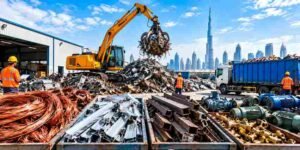

If you have old copper wires, aluminium, brass, steel, iron, cables, machinery, or other unwanted metal, selling it can help you recover value while clearing useful space. However, getting a good price is not simply about finding someone who buys scrap. The material’s type, grade, cleanliness, quantity, condition, and current market demand can all affect the final offer.
For anyone planning to sell scrap metal in Dubai, understanding how buyers assess different materials can make the selling process easier and more transparent. Whether the scrap comes from a factory, warehouse, workshop, construction project, commercial property, or household clearance, proper preparation can help you receive a more accurate quotation.
This guide explains what to do before selling, which materials usually have higher value, how scrap is assessed, and how to choose a reliable buyer in Dubai.
What Does It Mean to Sell Scrap Metal in Dubai?
Selling scrap metal means transferring unwanted or discarded metal materials to a scrap buyer or recycling business for an agreed price. Instead of allowing old metal to occupy valuable storage space, businesses and individuals can have it collected, weighed, assessed, and purchased according to its material type and condition.
Scrap metal is not one uniform category. A pile may contain several different materials, such as copper, aluminium, brass, steel, iron, cables, motors, and machinery components. Each material can have a different value because of its composition, purity, demand, and recycling potential.
For this reason, separating materials before collection can be useful. A clean batch of copper should not necessarily be mixed with steel or general metal waste because mixed materials can make accurate assessment more difficult.
For businesses with larger quantities, professional collection can also reduce the amount of time employees spend sorting, moving, and loading heavy materials.
Which Scrap Metals Can You Sell?
One of the first steps is identifying what you actually have. Different metals have different characteristics, and buyers generally assess them separately.
| Scrap Metal | Common Sources | What Can Affect Its Value |
|---|---|---|
| Copper | Wires, cables, pipes, motors and electrical equipment | Purity, grade, insulation and cleanliness |
| Aluminium | Frames, profiles, sheets, machinery and parts | Grade, condition and contamination |
| Brass | Valves, fittings, taps, pipes and components | Composition, quality and quantity |
| Steel | Structures, equipment and fabrication waste | Weight, thickness and condition |
| Iron | Machinery, frames, tools and metal structures | Quantity, condition and handling |
| Copper Cables | Electrical and industrial wiring | Copper content and insulation |
| Motors | Industrial and commercial equipment | Copper content, condition and reusable parts |
| Machinery | Factory and workshop equipment | Metal content, condition and recoverable components |
Copper and brass can often require more detailed sorting because their composition and grade can vary. Aluminium can also appear in several forms, including profiles, sheets and mixed components.
Steel and iron are commonly sold in larger quantities because of their weight. Machinery and motors may require additional assessment because they can contain several valuable materials.
How Scrap Metal Buyers Determine the Price
A common mistake is assuming that every kilogram of a particular metal has exactly the same value. In practice, buyers normally consider several factors before making an offer.
Type and Grade of Metal
The material itself is one of the most important factors. Clean copper wire, insulated cable, copper pipe, brass fittings and mixed metal are different categories and may receive different offers.
Knowing the approximate material type before contacting a buyer gives you a better starting point when discussing the sale.
Purity and Cleanliness
Clean, separated material is generally easier to inspect and process than heavily contaminated scrap. Dirt, plastic, insulation, attachments and other unwanted materials can affect how the scrap is classified.
For example, separating copper components from unrelated metal or plastic can make the material easier to assess.
Quantity
The quantity of scrap can influence the buying process, particularly for commercial and industrial sellers.
A factory clearing several tonnes of metal may require a different collection and weighing arrangement than a small workshop selling a few bags of scrap.
If you have a large quantity, tell the buyer approximately how much material you have before arranging collection.
Current Market Conditions
Scrap prices can change according to wider metal markets, demand, supply, processing costs and local buying conditions. This means an old price you received previously may not necessarily represent today’s offer.
A good approach is to request a current quotation instead of relying on an outdated price.
Collection and Handling Requirements
Heavy machinery, large quantities of steel, motors, cables and industrial scrap may require additional loading and transportation arrangements.
The accessibility of the material can also matter. Scrap stored inside a factory, on an upper floor, or in an area with restricted vehicle access may require more planning than material already prepared for loading.
How to Prepare Scrap Before Selling
Preparation does not mean complicated processing. In many cases, simple organisation can make the transaction easier.
Start by separating obvious materials into groups such as copper, aluminium, brass, steel, iron and mixed metal. Remove unnecessary non-metal items where practical and safe to do so.
If you have cables, motors or machinery, keep them separate rather than placing everything into one mixed pile. Take clear photographs if you are requesting an initial assessment remotely.
For commercial sellers, make a simple inventory showing the approximate type and quantity of each material. This gives the buyer a better understanding of the collection and can make the quotation process more efficient.
You should also consider access. If heavy machinery or large metal structures need to be removed, make sure there is enough space for loading and transportation.
Should You Sell Scrap Separately or as Mixed Metal?
This depends on what you have and how much sorting is practical.
Separating clearly identifiable metals can make their individual characteristics easier to evaluate. A mixed pile containing copper, aluminium, steel, plastic and other materials can be more difficult to classify accurately.
For example, if a warehouse has separate piles of copper cables, aluminium profiles and steel frames, the buyer can assess each category independently.
However, not every seller needs to dismantle or process materials extensively. Some scrap contains attached components that require specialised handling. It is better to discuss the material with the buyer before spending significant time or money on unnecessary preparation.
The goal should be better identification and easier assessment, not simply doing as much processing as possible.
Where Can You Sell Scrap Metal in Dubai?
Scrap metal can come from many different sources across Dubai. Industrial areas, workshops, warehouses, construction sites, factories, commercial properties and maintenance operations can all generate recyclable metal.
Businesses often prefer collection services when they have large or heavy quantities because transporting scrap themselves may be inconvenient.
A professional buyer can discuss the material, arrange a suitable collection, inspect or weigh the scrap, and provide an offer based on the material being purchased.
When contacting a buyer, provide useful information such as:
Type of scrap
Approximate quantity
Location in Dubai
Photos of the material
Whether the scrap is separated or mixed
Whether loading assistance is required
This information can help reduce unnecessary back-and-forth before collection.
How to Choose a Reliable Scrap Buyer
Price is important, but it should not be the only consideration when choosing someone to purchase your scrap.
A reliable buyer should be clear about what material they are purchasing and how the final amount is determined. For larger quantities, ask how the material will be weighed and whether different materials will be assessed separately.
It is also useful to communicate the material honestly. If a pile contains mixed metals, machinery, cables or contaminated materials, explain this before collection rather than expecting the buyer to treat everything as one high-value category.
For businesses, dependable collection can be just as important as the price. Delays can leave valuable warehouse or production space occupied by unwanted material.
Common Mistakes When Selling Scrap Metal
One common mistake is accepting the first offer without understanding what type of scrap is being sold. Different grades and forms of metal can have substantially different characteristics.
Another mistake is mixing valuable materials with general metal waste. This can make inspection more difficult and may prevent accurate classification.
Some sellers also focus only on the advertised price and ignore collection arrangements, weighing procedures and other practical details.
Finally, sellers sometimes keep scrap for too long because they are waiting for a particular price. Market conditions change, while storage space, handling requirements and business needs also have a cost.
The better approach is to understand your material, obtain a current quotation, compare reasonable offers and choose a buyer who provides a clear process.
Benefits of Selling Scrap Metal Instead of Storing It
Selling unwanted metal can provide both financial and practical benefits.
For businesses, removing unused machinery, old cables, metal offcuts and damaged equipment can free up warehouse and working areas. It can also make storage areas easier to organise.
Recycling and recovery can give materials another useful life instead of leaving them unused. Metals such as copper, aluminium, brass, iron and steel can enter established recycling and processing channels.
For construction and industrial businesses, planned scrap collection can also make site clearances more organised, particularly when large amounts of metal accumulate during projects.
The key benefit is not simply getting rid of waste. Properly managed scrap can turn unwanted material into a recoverable asset.
Why Businesses Choose Professional Scrap Buyers in Dubai
Factories, warehouses, workshops and commercial businesses may generate scrap continuously rather than as a one-time event. Managing this material internally can take employee time and occupy valuable space.
A professional scrap buyer can provide a more organised process from initial assessment through collection and purchase.
For larger loads, this may include discussing the material in advance, arranging transportation, loading the scrap and assessing the different categories before completing the transaction.
BestScrapBuyer provides scrap buying and collection services in Dubai for materials including copper, aluminium, brass, steel, iron, batteries, cables, machinery and other scrap categories.
If you have a regular supply of scrap, discussing your requirements with a buyer can also help you establish a more practical collection routine rather than allowing material to accumulate.
How to Get a Better Scrap Metal Offer
There is no guaranteed price because scrap values change and different materials have different characteristics. However, you can improve the quality of the selling process by following a few practical steps.
First, identify the materials you have. Second, separate clearly different metals where practical. Third, estimate the quantity and take useful photographs. Fourth, contact buyers with complete information instead of simply asking for a generic scrap price.
Most importantly, compare the offer against the actual material you are selling. A quotation for clean copper should not be compared directly with a quotation for mixed metal or insulated cable.
A transparent assessment based on the actual scrap is more useful than a headline price that does not reflect the material’s grade or condition.
Frequently Asked Questions
What is the best scrap metal to sell?
Copper, brass, aluminium, steel and other metals can all have recycling value, but the actual offer depends on grade, purity, condition, quantity and current market conditions.
How can I sell scrap metal in Dubai?
You can contact a scrap buyer, provide details and photographs of the material, discuss the approximate quantity and arrange an inspection or collection where required.
Does separating scrap increase its value?
Separating clearly different metals can make identification and assessment easier. However, the benefit depends on the material, quantity and amount of preparation required.
Can businesses sell large quantities of scrap?
Yes. Factories, warehouses, workshops, construction companies and other businesses can arrange collection for larger quantities of scrap, including heavy metal, machinery and industrial materials.
How is scrap metal weighed?
The exact weighing process depends on the material, quantity and collection arrangement. For larger loads, sellers should ask the buyer how weighing and material assessment will be handled before the transaction.
Can I sell old machinery as scrap?
Yes, old machinery may have scrap value depending on its metal content, condition, reusable components and overall weight. Some machinery may also require additional planning for removal and transportation.
Conclusion
Knowing how to Sell Scrap Metal in Dubai can help you make better decisions about preparation, pricing and collection. The best approach is to identify your materials, separate them where practical, understand the factors affecting value and compare offers based on the actual condition and quantity of your scrap.
Whether you have a small quantity from a workshop or a large industrial load, a clear and organised selling process can help you recover value while freeing up useful space.
BestScrapBuyer buys and collects different types of scrap metal across Dubai, including copper, aluminium, brass, steel, iron, cables, motors and machinery.
Call BestScrapBuyer today: +971 50 997 3816 for scrap collection and a current market-based quotation.