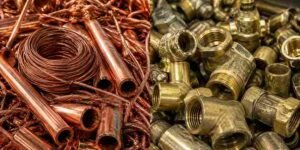

Brass is one of the most valuable non-ferrous metals in the recycling industry because it combines copper and zinc while maintaining excellent durability, corrosion resistance, and recyclability. Understanding 10 Types of Brass You Can Recycle helps homeowners, plumbers, contractors, industrial businesses, and metal collectors identify valuable brass items that might otherwise be discarded as ordinary waste. Since brass can be melted and reused repeatedly without losing its essential properties, properly sorting brass scrap can significantly increase its recycling value.
Dubai’s construction, manufacturing, marine, and plumbing sectors generate large quantities of recyclable brass every year. Items such as valves, fittings, locks, radiators, decorative hardware, and plumbing fixtures often contain substantial amounts of recoverable brass. Professional scrap buyers in Dubai inspect these materials carefully, separate them according to their composition, and process them for recycling. Sellers who understand the different brass categories can organize their scrap more effectively, avoid mixing high-value brass with lower-grade metals, and receive more accurate quotations.
This guide explains the most common types of recyclable brass, where they are typically found, and why some grades are worth more than others. You will also learn how professional recyclers identify brass, what affects its market value, and how to prepare brass scrap before selling it to a trusted recycling company.
Why Brass Is One of the Most Valuable Recyclable Metals
Brass remains one of the most sought-after recyclable metals because it contains a high percentage of copper while offering excellent strength and corrosion resistance. Unlike many materials that degrade after repeated use, brass can be recycled multiple times without losing its essential characteristics. This makes it highly valuable for manufacturers producing plumbing components, electrical connectors, marine hardware, industrial fittings, and decorative products.
Another reason brass has strong recycling demand is its widespread use across many industries. Construction projects, plumbing systems, machinery, automotive components, and commercial buildings all generate brass scrap during repairs, upgrades, and demolition work. Professional scrap dealers Dubai actively purchase brass because it can be processed efficiently and returned to the manufacturing supply chain as a reusable raw material.
What Makes Brass Valuable?
The value of brass depends mainly on its copper content, cleanliness, and overall condition. Brass with a higher copper percentage usually receives stronger market prices because copper is one of the most valuable recyclable metals. Clean brass that is free from steel attachments, plastic components, rubber, or excessive corrosion is also easier to process and generally attracts better offers from recycling companies.
Professional recyclers carefully inspect brass items before assigning a grade. They may separate yellow brass, red brass, cartridge brass, and mixed brass into different categories because each type has a slightly different composition and recycling value.
How Brass Recycling Supports Sustainability in Dubai
Recycling brass helps reduce the need for newly mined copper and zinc, conserving natural resources while lowering energy consumption. By understanding the 10 Types of Brass You Can Recycle, businesses and homeowners can make informed recycling decisions while maximizing the value of their scrap metal. Producing brass from recycled material requires significantly less energy than manufacturing it entirely from raw ore. This contributes to lower industrial emissions and supports Dubai’s growing focus on sustainable waste management and responsible recycling practices.
By selling recyclable brass instead of disposing of it as general waste, businesses and homeowners not only recover financial value but also help keep valuable metals in circulation within the economy.
Yellow Brass
Yellow brass is the most common type of brass found in everyday plumbing and industrial applications. It typically contains a balanced mixture of copper and zinc, giving it a bright yellow appearance and good corrosion resistance. Because of its widespread use, yellow brass is one of the largest categories handled by professional recycling facilities.
Common sources include plumbing fittings, hose connectors, water valves, faucets, and industrial hardware. When these items are clean and free from steel or plastic attachments, they are relatively easy to process and usually receive strong recycling prices.
Red Brass
Red brass contains a higher percentage of copper than yellow brass, which gives it a slightly reddish color. This higher copper content generally makes red brass more valuable in the recycling market. It is commonly used in water meters, heavy-duty valves, pump components, and older plumbing systems.
Because red brass contains more copper, many recyclers keep it separate from other brass grades. Proper sorting can help sellers receive a more accurate valuation instead of having premium red brass mixed with lower-value materials.
Cartridge Brass
Cartridge brass is known for its excellent strength and formability. It is widely used in shell casings, brass tubing, electrical connectors, and precision industrial components. The material usually has a high copper content and is considered a premium recyclable brass grade.
Clean cartridge brass without steel primers, dirt, or other contaminants is especially attractive to recyclers because it can be melted and reused with minimal processing.
Brass Plumbing Fixtures
Old faucets, shower valves, taps, and plumbing fixtures often contain significant amounts of brass. These items are commonly generated during bathroom renovations, commercial building upgrades, and plumbing replacement projects.
Before selling, it is helpful to remove obvious plastic handles, rubber washers, or steel screws where possible. Cleaner fixtures are easier to grade and may receive better offers from a professional Scrap Purchasing Company in Dubai.
Brass Radiators
Some older radiators and heat exchanger components contain brass tanks or brass fittings combined with copper tubing. These units can be valuable because they often contain multiple recyclable metals.
Recyclers usually inspect brass radiators carefully to determine how much brass can be separated from copper and steel components before assigning a final value.
Brass Shell Casings
Spent shell casings are another common source of recyclable brass. When properly cleaned and separated, they are often treated as a higher-quality brass category because of their consistent alloy composition.
Recycling companies generally prefer shell casings that are free from steel or aluminum components and have been sorted separately from mixed metal scrap.
Brass Keys and Locks
Many keys, lock cylinders, padlocks, and security hardware contain brass. Although individual items may be small, large quantities collected from property maintenance, locksmith operations, or building renovations can add up to a meaningful amount of recyclable brass.
These materials are usually grouped into mixed brass categories unless they are sorted by alloy type.
Brass Decorative Items
Decorative handles, hinges, ornaments, curtain hardware, and antique brass fittings are frequently recycled when buildings are renovated or furniture is dismantled. The value depends on the actual brass content and whether the items contain non-brass attachments.
Heavier decorative pieces with solid brass construction are generally more valuable than thin plated items.
Brass Valves and Fittings
Industrial and commercial plumbing systems generate large quantities of brass valves, unions, elbows, tees, and connectors. These components are often one of the most consistent sources of recyclable brass for contractors and maintenance companies.
Removing attached steel bolts or rubber seals before selling can help improve the overall grading and simplify the recycling process.
Mixed Brass Scrap
Mixed brass scrap refers to collections of different brass items that have not been separated by grade. This may include small fittings, hardware, keys, valves, connectors, and decorative pieces gathered from construction, renovation, or maintenance work.
While mixed brass still has good recycling value, sellers can often earn more by separating high-grade red brass or cartridge brass from general mixed brass before collection.
Which Type of Brass Has the Highest Recycling Value?
Not all brass scrap has the same recycling value. Although every type of brass contains copper and zinc, the exact composition, purity, cleanliness, and condition determine how much it is worth in the recycling market. Professional recyclers inspect each brass item individually and separate different grades before assigning a quotation. Sellers who understand these differences can organize their materials more effectively and often receive better offers.
Among the various grades, Red Brass is generally considered one of the most valuable because it contains a higher percentage of copper. Cartridge brass also attracts competitive prices due to its consistent alloy composition and excellent purity. Yellow brass remains one of the most commonly recycled categories and continues to provide strong value because of its widespread availability and industrial demand.
Red Brass
Red brass usually contains approximately 85% copper, making it one of the richest brass alloys available for recycling. Its higher copper content increases its overall value because copper remains one of the world’s most sought-after recyclable metals.
This material is commonly found in heavy-duty valves, water meters, pumps, marine hardware, and older plumbing systems. Professional recyclers often keep red brass separate from other grades to ensure accurate pricing and efficient processing.
Cartridge Brass
Cartridge brass is another premium-grade alloy known for its excellent strength, flexibility, and corrosion resistance. It is widely used in industrial components, electrical connectors, precision tubing, and shell casings.
Because of its consistent composition and relatively clean alloy structure, cartridge brass is easy to recycle and remains in high demand among manufacturers producing new brass products.
Yellow Brass
Yellow brass is the most widely available brass alloy in residential, commercial, and industrial environments. Although it contains slightly less copper than red brass, it still offers excellent recycling value due to its large supply and broad industrial applications.
Faucets, plumbing fittings, hose connectors, valves, taps, and decorative hardware all contribute significant amounts of recyclable yellow brass every year.
| Brass Type | Common Sources | Copper Content | Estimated Value in Dubai | Recycling Difficulty |
|---|---|---|---|---|
| Red Brass | Water meters, valves, pumps | Very High | ★★★★★ Premium | Easy |
| Cartridge Brass | Shell casings, tubing | High | ★★★★★ Premium | Easy |
| Yellow Brass | Faucets, fittings, taps | Medium-High | ★★★★☆ High | Easy |
| Mixed Brass | Mixed hardware | Varies | ★★★☆☆ Medium | Moderate |
Factors That Affect Brass Scrap Prices
The market value of brass changes according to several important factors. Understanding these factors helps sellers prepare their brass properly and avoid unnecessary reductions during inspection.
Brass Grade
Different brass alloys contain different percentages of copper and zinc. Higher copper content generally increases recycling value because copper commands stronger market demand. Properly separating red brass, yellow brass, and cartridge brass allows recyclers to grade materials more accurately.
Cleanliness
Clean brass without steel bolts, rubber seals, plastic parts, paint, or excessive corrosion is easier to process. Recycling companies spend less time cleaning uncontaminated materials, which often results in better quotations.
Quantity
Large quantities of brass are usually easier and more economical to process than small mixed loads. Contractors, demolition companies, plumbers, and industrial facilities that accumulate larger volumes often receive more competitive pricing.
International Copper Market
Since brass contains a significant amount of copper, global copper prices directly influence brass scrap prices. Market demand, manufacturing activity, and international commodity prices all affect daily recycling rates.
Condition
Brass that remains dry, complete, and free from severe damage generally receives better valuations. Proper storage before collection helps preserve material quality and simplifies inspection.
How to Get Better Prices for Brass Scrap
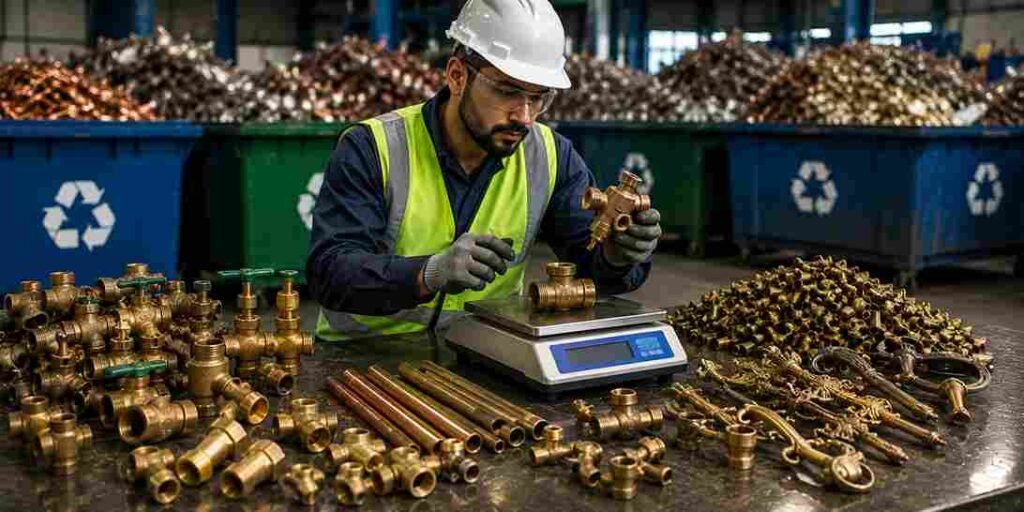
Preparing brass correctly before selling can noticeably improve its recycling value. Professional recycling companies appreciate well-organized materials because they require less sorting and processing.
Simple preparation steps such as separating different brass grades, removing obvious non-metal attachments where practical, storing brass in a clean dry area, and requesting quotations from multiple recycling companies can help sellers maximize their returns.
Choosing an experienced Scrap Purchasing Company in Dubai also provides greater confidence that every brass item will be graded accurately using transparent weighing procedures and current market prices.
Frequently Asked Questions
Which brass type is worth the most?
Red brass is generally considered the highest-value recyclable brass because it contains a higher percentage of copper.
Can old plumbing fittings be recycled?
Yes. Brass taps, valves, hose connectors, and plumbing fittings are commonly accepted by professional recycling companies.
Should I separate different brass types before selling?
Yes. Separating brass grades allows recyclers to inspect each alloy accurately and often results in a better overall quotation.
Does dirty brass reduce the recycling price?
Clean brass is easier to process and usually receives a better valuation than heavily contaminated or mixed materials.
Can decorative brass items be recycled?
Yes. Solid brass handles, ornaments, locks, hinges, and decorative hardware can all be recycled if they contain genuine brass.
Conclusion
Understanding these 10 Types of Brass You Can Recycle helps homeowners, contractors, plumbers, manufacturers, and industrial businesses recognize valuable brass materials before disposal. From red brass and cartridge brass to plumbing fittings, decorative hardware, and mixed brass scrap, every category has its own recycling value based on copper content, cleanliness, and condition. Proper sorting, careful storage, and working with an experienced recycler can significantly improve the final quotation while supporting environmentally responsible recycling.
If you are looking for a trusted Scrap Purchasing Company in Dubai, BestScrapBuyer offers professional brass scrap collection, transparent inspections, competitive market prices, and reliable recycling services across Dubai. Whether you have a few kilograms of brass fittings or large industrial quantities, our experienced team is ready to help.
📞 Call BestScrapBuyer today at +9710509973816 for a free quotation and professional brass scrap collection anywhere in Dubai.