Copper and brass are two of the most valuable non-ferrous metals recycled worldwide. Although they often appear similar at first glance, they differ significantly in composition, colour, strength, applications, and recycling processes. Understanding the Difference Between Brass and Copper Scrap is important for homeowners, contractors, electricians, plumbers, manufacturers, scrapyards, and industrial businesses because correctly identifying these metals simplifies recycling and helps improve material recovery.
In Dubai’s growing recycling industry, copper and brass are widely recovered from construction projects, electrical installations, plumbing systems, machinery, factories, warehouses, demolition sites, and industrial equipment. Both metals are highly recyclable and can be reused repeatedly without losing their essential properties. However, because copper and brass contain different elements and serve different industrial purposes, they are inspected, sorted, and recycled separately by professional scrap buyers.
Whether you are replacing old plumbing systems, dismantling industrial machinery, renovating commercial buildings, or managing factory scrap, understanding the differences between these two metals will help you prepare recyclable materials correctly before collection.
What Is Copper Scrap?
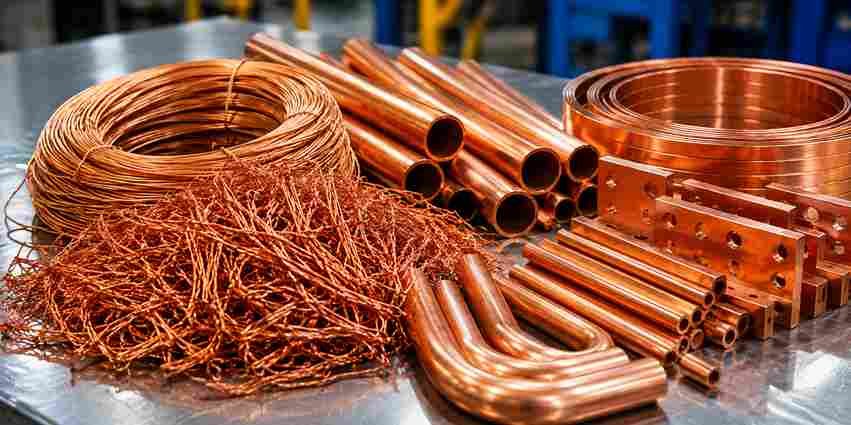
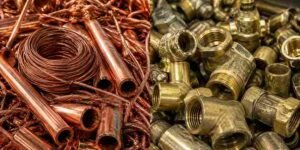
Copper scrap refers to recyclable materials made primarily from pure copper. It is recognised by its distinctive reddish-orange colour, excellent electrical conductivity, and high resistance to corrosion. Copper is one of the most widely used industrial metals because it efficiently carries electricity and heat, making it essential for electrical systems, renewable energy projects, telecommunications, and construction.
Common sources of copper scrap include electrical wiring, power cables, copper pipes, roofing materials, transformers, motors, switchgear, generators, HVAC systems, electrical busbars, industrial equipment, and manufacturing offcuts. Because copper can be recycled repeatedly without losing quality, it remains one of the most valuable recyclable metals in the global recycling industry.
What Is Brass Scrap?
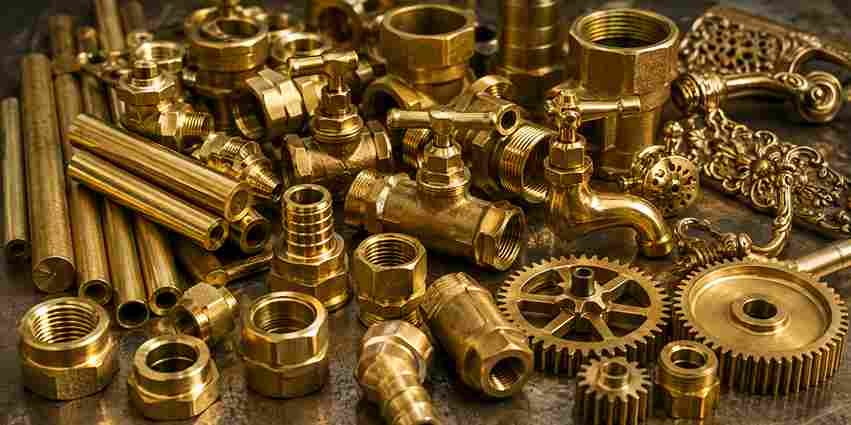
Brass scrap consists of recyclable materials manufactured from an alloy of copper and zinc. Depending on the proportion of zinc used during production, brass can have different colours ranging from golden yellow to light brown. Compared with pure copper, brass is stronger, more durable, and easier to machine, making it a preferred material for plumbing systems, valves, fittings, locks, bearings, marine equipment, musical instruments, and decorative architectural products.
Common sources of brass scrap include plumbing fixtures, water meters, valves, taps, radiators, brass pipes, electrical connectors, marine fittings, locks, gears, bearings, industrial machinery, and manufacturing waste. Like copper, brass is highly recyclable and plays an important role in sustainable manufacturing.
Composition: The Biggest Difference
The primary Difference Between Brass and Copper Scrap lies in their chemical composition. Copper scrap consists almost entirely of pure copper, while brass is an alloy produced by combining copper with zinc. Some specialised brass alloys may also contain small amounts of lead, tin, aluminium, manganese, or iron to improve strength, corrosion resistance, or machinability.
This difference in composition affects nearly every physical property of the metal, including its colour, hardness, strength, conductivity, weight, and industrial applications. Professional scrap buyers carefully inspect each material because copper and brass require different grading and recycling processes before they can be returned to manufacturing.
Appearance and Colour Differences
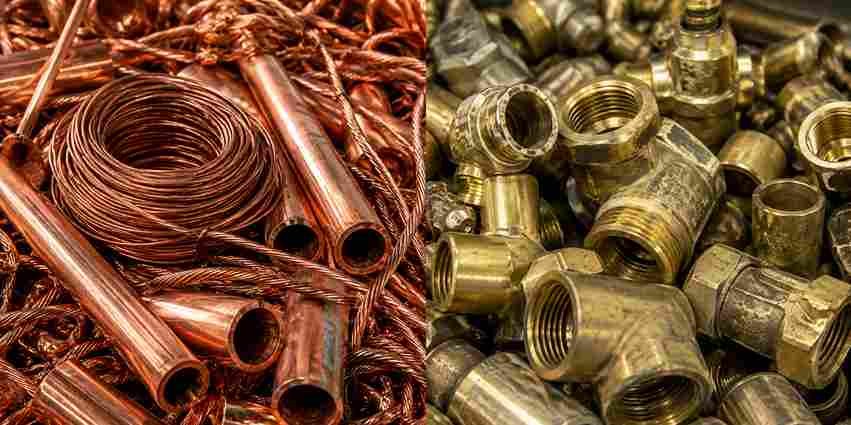
One of the easiest ways to identify these metals is by their appearance. Copper has a distinctive reddish-orange colour that becomes darker over time as it develops a natural protective patina. Brass, by comparison, has a bright yellow or golden appearance because of the zinc mixed with copper.
Although ageing, dirt, oxidation, or paint may make identification more difficult, the natural colour difference remains one of the simplest methods for distinguishing between copper and brass scrap during inspection. Professional recyclers often use visual identification alongside material testing to classify recyclable metals accurately.
Physical Properties of Copper and Brass
Copper is softer, more flexible, and an excellent conductor of both electricity and heat. These properties make it the preferred material for electrical wiring, transformers, motors, and power distribution systems. Brass is comparatively harder and stronger because of its zinc content. It offers excellent wear resistance and machinability, making it ideal for valves, plumbing components, gears, bearings, and precision mechanical parts.
These physical differences explain why both metals serve different industries despite sharing similar recycling processes. Professional recyclers sort them separately to ensure each material can be processed according to its specific properties.
Common Uses of Copper Scrap and Brass Scrap
Although copper and brass are both non-ferrous metals, they are used in different industries because of their unique physical properties. Copper is widely recognised for its outstanding electrical and thermal conductivity, making it the preferred material for electrical infrastructure and power transmission. Brass, on the other hand, is valued for its strength, corrosion resistance, and excellent machinability, making it ideal for plumbing systems, mechanical components, and decorative applications.
Copper is commonly found in electrical wiring, underground power cables, transformers, generators, electric motors, switchgear, air conditioning units, heat exchangers, busbars, renewable energy systems, and telecommunications equipment. Brass is frequently used in water valves, plumbing fittings, taps, locks, gears, bearings, marine equipment, pressure regulators, fire safety systems, gas fittings, and architectural hardware. Understanding these applications makes it easier to identify recyclable materials before selling them to a professional scrap buyer.
How Copper Scrap and Brass Scrap Are Recycled
The recycling process for copper and brass begins with careful inspection and material identification. Professional scrap buyers separate each metal because copper and brass require different grading and processing methods. Mixed materials are first sorted manually and then inspected using specialised equipment to ensure accurate classification.
After sorting, contaminants such as plastic insulation, rubber, paint, oil, screws, or non-metal attachments are removed. The clean materials are then cut, shredded, compressed, or baled before being transported to licensed recycling facilities. At the recycling plant, both metals are melted in separate furnaces and refined into high-quality raw materials that can be reused in manufacturing new electrical equipment, plumbing products, industrial machinery, automotive components, and construction materials.
Because both metals can be recycled repeatedly without significant loss of quality, they remain essential resources within the global circular economy.
Which Scrap Is More Valuable?
One of the most frequently asked questions is whether copper or brass scrap is worth more. In most recycling markets, copper scrap generally has a higher value than brass scrap because it contains a higher percentage of pure copper and offers exceptional electrical conductivity. Premium grades such as Bare Bright Copper Wire and Millberry Copper are among the most sought-after recyclable metals due to their purity and wide industrial demand.
Brass also remains a valuable recyclable material because it contains a significant amount of copper combined with zinc. The value of brass depends on its composition, cleanliness, and whether it includes contaminants such as plastic, steel, or other non-metal components. Professional scrap buyers assess each material individually based on its grade, condition, purity, and current market demand before determining its recycling value.
How to Identify Copper and Brass Scrap
Correct identification is essential for efficient recycling. The easiest method is to observe the colour of the metal. Copper has a distinctive reddish-orange appearance, while brass usually has a bright golden-yellow colour because of its zinc content. Although oxidation may darken the surface over time, the underlying colour remains a useful identification feature.
Weight and flexibility also provide useful clues. Copper is generally softer and bends more easily, making it suitable for electrical cables and tubing. Brass is stronger, harder, and more rigid, which is why it is commonly used for valves, taps, gears, and plumbing fittings. Professional recyclers may also use magnets, alloy analysers, or X-ray fluorescence (XRF) testing equipment to confirm the metal composition when visual inspection alone is insufficient.
Common Mistakes When Sorting Copper and Brass Scrap
Many businesses and individuals unintentionally reduce recycling efficiency by mixing copper and brass together. Since both metals follow different grading and processing procedures, keeping them separate from the beginning helps simplify inspection and improves material recovery. Copper wires should be stored independently from brass valves, plumbing fittings, and mechanical components whenever possible.
Another common mistake is leaving plastic insulation, rubber coverings, steel attachments, or other contaminants attached to recyclable materials. These additional components increase processing time and make recycling less efficient. Businesses should also avoid storing recyclable metals outdoors where prolonged exposure to moisture, dirt, or chemicals may contaminate the materials. Organising scrap correctly before collection allows professional recyclers to process it more efficiently while supporting environmentally responsible recycling practices.
Copper vs Brass Scrap Comparison
| Feature | Copper Scrap | Brass Scrap |
|---|---|---|
| Composition | Nearly pure copper. | Copper alloy mixed mainly with zinc. |
| Colour | Reddish-orange. | Golden yellow or light brown. |
| Electrical Conductivity | Excellent electrical conductor. | Lower conductivity than copper. |
| Strength | Soft and highly flexible. | Harder, stronger, and more durable. |
| Common Applications | Electrical wiring, motors, transformers, pipes, HVAC systems, and power cables. | Valves, plumbing fittings, taps, gears, bearings, locks, and marine equipment. |
| Corrosion Resistance | Excellent corrosion resistance. | Very good corrosion resistance, especially in plumbing applications. |
| Recycling Process | Sorted, cleaned, melted, and refined into pure copper products. | Separated by alloy grade before melting and refining. |
| Typical Recycling Value | Generally higher because of its purity and strong market demand. | Valuable but usually lower than clean copper scrap. |
Frequently Asked Questions
1. What is the main difference between brass and copper scrap?
The biggest difference is their composition. Copper scrap is made primarily of pure copper, while brass scrap is an alloy that combines copper with zinc. This difference affects their colour, strength, conductivity, applications, and recycling process.
2. How can I identify copper scrap and brass scrap?
Copper usually has a reddish-orange colour and is softer and more flexible. Brass has a golden-yellow appearance and is generally harder and stronger. Professional scrap buyers may also use alloy testing equipment to verify the material.
3. Is copper scrap worth more than brass scrap?
In most cases, yes. Copper scrap generally has a higher recycling value because of its higher purity, excellent electrical conductivity, and strong demand across the electrical, construction, and manufacturing industries. Brass scrap is also valuable but is usually priced lower than clean copper.
4. Can copper and brass be recycled together?
No. Copper and brass should always be separated before recycling because they require different grading and processing methods. Keeping them separate helps improve recycling efficiency and allows each metal to be processed according to its specific composition.
5. Where are copper and brass scrap commonly found?
Copper scrap is commonly recovered from electrical cables, wiring, motors, transformers, busbars, pipes, and HVAC systems. Brass scrap is typically found in plumbing fittings, valves, taps, locks, gears, bearings, water meters, marine hardware, and industrial machinery.
Conclusion
Understanding the Difference Between Brass and Copper Scrap helps homeowners, contractors, factories, electricians, plumbers, and industrial businesses identify recyclable materials more accurately before selling them. Although both metals are valuable and highly recyclable, they differ in composition, appearance, conductivity, strength, applications, and recycling methods. Proper sorting not only improves recycling efficiency but also supports responsible resource recovery and sustainable manufacturing.
Working with an experienced Scrap Buyer in Dubai ensures copper and brass scrap are professionally inspected, separated, digitally weighed, and recycled using environmentally responsible practices. Whether you’re recycling electrical cables, plumbing fittings, industrial machinery, valves, motors, or construction materials, proper preparation helps streamline the recycling process and contributes to Dubai’s growing circular economy.Contact the Best Scrap Buyer in Dubai today for a free quotation, fast scrap collection, and competitive market prices.
📞 Call: +971 50 997 3816 for reliable scrap recycling services across Dubai.