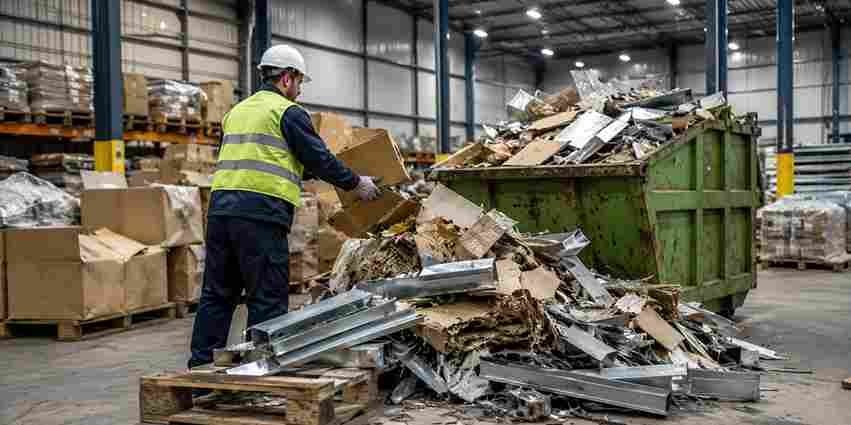
Warehouses play a critical role in Dubai’s logistics, retail, manufacturing, distribution, and industrial sectors. As warehouse operations expand, businesses continuously generate large amounts of unwanted materials, obsolete equipment, damaged inventory, packaging waste, metal shelving, electrical cables, machinery parts, pallets, and various recyclable materials. Without a structured disposal process, these materials can quickly accumulate, reduce available storage space, create workplace hazards, and negatively affect operational efficiency. This is why Warehouse Scrap Disposal has become an essential part of modern warehouse management.
Effective warehouse scrap disposal is more than simply removing unwanted materials. It involves identifying recyclable resources, sorting scrap correctly, storing materials safely, arranging professional collection, and ensuring environmentally responsible recycling. Businesses that implement proper scrap disposal procedures benefit from cleaner facilities, improved safety, better space utilisation, and more efficient warehouse operations. Whether you operate a logistics centre, distribution warehouse, industrial storage facility, manufacturing warehouse, or commercial stockroom, understanding warehouse scrap disposal can help optimise both productivity and sustainability.
What Is Warehouse Scrap Disposal?
Warehouse Scrap Disposal refers to the organised process of removing, managing, recycling, and disposing of unwanted materials generated within warehouse facilities. These materials often include metal shelving, steel racks, copper cables, aluminium components, damaged equipment, obsolete machinery, electrical items, batteries, packaging materials, and construction waste.
Instead of sending recyclable materials directly to landfill, professional scrap disposal focuses on recovering valuable resources through proper recycling channels. This process helps businesses reduce waste while supporting sustainable resource management. A structured disposal system ensures materials are identified, separated, inspected, transported, and recycled according to industry best practices.
Warehouses that follow professional disposal procedures often experience improved organisation, increased storage capacity, and more efficient day-to-day operations. Proper scrap management also reduces clutter, making inventory control and warehouse maintenance significantly easier.
Why Warehouse Scrap Disposal Is Important
Many businesses underestimate the impact that accumulated scrap can have on warehouse efficiency. Unused shelving, damaged pallets, outdated machinery, electrical waste, metal components, and obsolete inventory occupy valuable floor space that could otherwise be used for productive operations. Over time, unmanaged scrap can create logistical challenges that affect warehouse performance.
Proper Warehouse Scrap Disposal helps businesses maintain organised facilities while ensuring recyclable materials are handled responsibly. Professional disposal services remove unwanted items safely and efficiently, allowing businesses to maximise storage capacity and improve workflow management.
In addition to operational benefits, responsible disposal practices support environmental sustainability. Valuable materials such as steel, copper, aluminium, brass, and electrical components can be recovered and reused rather than discarded as waste. This contributes to resource conservation and reduces landfill dependency.
Common Types of Warehouse Scrap
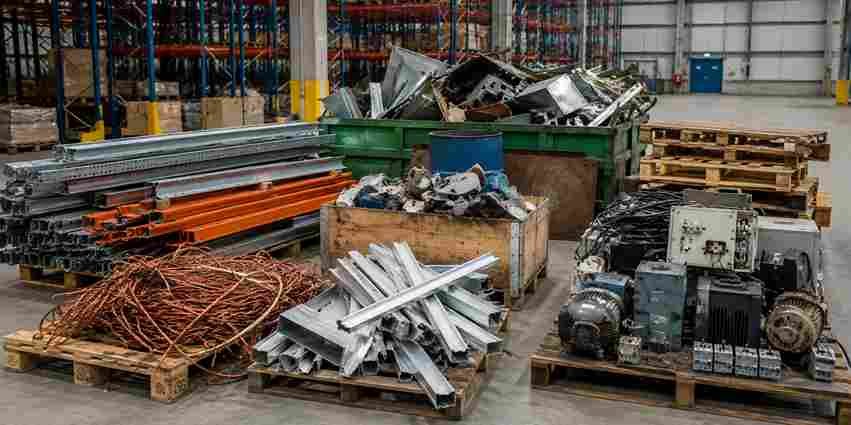
Warehouses generate many different types of recyclable materials during daily operations. Understanding these materials helps businesses create more effective disposal and recycling programmes.
Common warehouse scrap includes:
- Steel shelving and storage racks
- Copper electrical wiring
- Aluminium frames and fixtures
- Damaged machinery and equipment
- Electric motors
- Electrical panels
- HVAC equipment
- Industrial batteries
- Metal pallets
- Stainless steel components
- Packaging materials
- Obsolete inventory
- Conveyor system parts
- Industrial tools
- Construction and renovation debris
Each material requires different recycling and handling procedures. Proper segregation simplifies collection while improving recycling efficiency.
Benefits of Professional Warehouse Scrap Disposal
Businesses that invest in professional Warehouse Scrap Disposal gain numerous operational advantages. One of the most noticeable benefits is improved space utilisation. Removing obsolete materials, damaged equipment, and accumulated scrap immediately frees valuable storage areas that can be used for inventory management and warehouse expansion.
Professional disposal also improves workplace safety. Large piles of scrap, damaged shelving, loose cables, and discarded machinery components can create trip hazards and obstruct warehouse operations. Regular scrap collection helps maintain safer work environments while supporting compliance with workplace safety standards.
Another major advantage is environmental responsibility. Professional recycling companies ensure recyclable materials are recovered and processed using sustainable methods. This reduces waste while supporting Dubai’s environmental goals and circular economy initiatives.
Warehouse Scrap Disposal and Workplace Safety
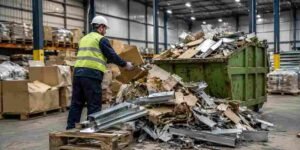
Safety is one of the most important reasons businesses should implement a structured warehouse scrap disposal programme. Accumulated scrap often creates unnecessary hazards that increase the risk of workplace accidents. Metal offcuts, damaged racks, electrical cables, obsolete machinery, and construction debris can obstruct walkways and create unsafe working conditions.
Regular inspections and scheduled scrap removal help prevent these issues before they affect warehouse operations. Designated recycling zones also encourage employees to dispose of materials correctly, improving organisation and reducing the risk of injuries.
Professional scrap collection services further enhance safety by using specialised equipment to handle heavy materials. This reduces manual lifting requirements while ensuring efficient loading and transportation.
Best Practices for Warehouse Scrap Disposal
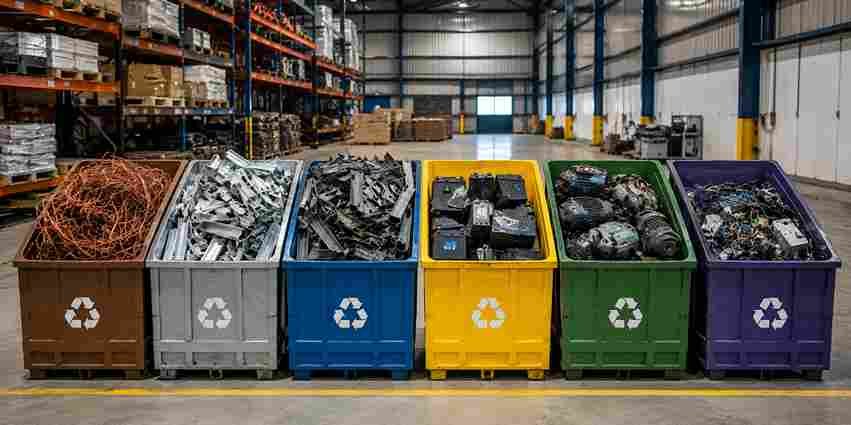
Successful Warehouse Scrap Disposal begins with proper planning and organisation. Businesses should establish designated collection areas for different recyclable materials and train employees on correct disposal procedures.
Materials should be separated according to type, including copper, aluminium, steel, batteries, machinery, and electrical equipment. Clearly labelled containers simplify identification and improve recycling efficiency. Businesses should also schedule regular inspections to prevent excessive scrap accumulation.
Maintaining records of recyclable materials generated by warehouse operations can improve collection planning and help identify opportunities for operational improvements. Regular communication with professional recycling companies ensures collections are arranged efficiently whenever required.
Warehouse Scrap Disposal Process
A well-organised Warehouse Scrap Disposal process helps businesses remove unwanted materials efficiently while ensuring recyclable resources are recovered responsibly. Instead of treating every discarded item as waste, professional scrap buyers follow a systematic approach that maximises recycling and minimises environmental impact. This process begins with identifying recyclable materials throughout the warehouse and separating them according to their type.
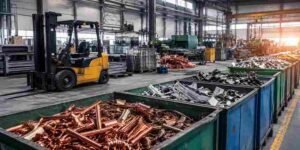
Once materials have been sorted, experienced recycling professionals inspect each category before collection. Copper, aluminium, brass, stainless steel, iron, electrical cables, machinery, batteries, shelving, and structural steel are all evaluated separately because every material follows a different recycling process. After inspection, recyclable materials are digitally weighed, loaded using appropriate lifting equipment, transported safely, and processed at licensed recycling facilities where they are prepared for reuse in manufacturing.
Implementing this structured disposal process helps warehouse operators improve efficiency, reduce unnecessary waste, and maintain cleaner, safer working environments throughout the facility.
Environmental Benefits of Warehouse Scrap Disposal
Professional Warehouse Scrap Disposal plays an important role in environmental protection. Warehouses generate significant quantities of recyclable metals, electrical equipment, machinery, shelving, and packaging materials that can often be recovered instead of discarded. Recycling these materials reduces landfill waste while conserving valuable natural resources such as copper, aluminium, steel, and brass.
Using recycled metals also requires considerably less energy than producing new materials from raw ore. This helps reduce industrial energy consumption and supports more sustainable manufacturing practices. Every tonne of recyclable material recovered contributes to Dubai’s long-term environmental goals by encouraging resource conservation and reducing unnecessary waste.
Businesses that adopt responsible recycling practices also strengthen their corporate sustainability initiatives. Customers, suppliers, and stakeholders increasingly value organisations that demonstrate environmental responsibility through structured recycling programmes and responsible waste management.
Industries That Need Warehouse Scrap Disposal
Almost every warehouse-based business generates recyclable materials that require organised disposal. Logistics companies frequently recycle damaged pallets, steel racking, packaging materials, machinery parts, and obsolete handling equipment. Manufacturing warehouses often dispose of production offcuts, electrical components, industrial machinery, and metal shelving as part of routine operations.
Retail distribution centres regularly replace storage systems, damaged inventory equipment, and warehouse fixtures. E-commerce fulfilment centres generate large volumes of packaging materials, damaged shelving, conveyor components, and electrical equipment. Cold storage facilities, pharmaceutical warehouses, automotive parts warehouses, and construction material suppliers also benefit from professional Warehouse Scrap Disposal services that help maintain organised storage environments while supporting efficient recycling.
High-Value Warehouse Scrap Materials
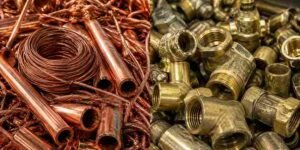
Not every recyclable material generated in a warehouse has the same value, but many commonly discarded items contain metals that remain highly useful for recycling. Copper electrical cables, aluminium shelving, stainless steel fixtures, brass valves, electric motors, transformers, warehouse racking, and machinery components are all examples of materials that can be recovered and reintroduced into manufacturing.
Industrial batteries, HVAC equipment, electrical control panels, steel pallets, conveyor systems, and obsolete machinery also contain recyclable components that should be handled by experienced recycling professionals. Proper segregation of these materials improves the efficiency of the inspection process and ensures each category is directed to the appropriate recycling method.
Common Warehouse Scrap Disposal Mistakes to Avoid
Many businesses unintentionally reduce the effectiveness of their recycling programme by making simple mistakes during warehouse scrap disposal. One of the most common issues is mixing different recyclable materials together. Combining copper, aluminium, brass, steel, batteries, electrical cables, and machinery in one container makes sorting more difficult and slows the recycling process. Separating materials at the source creates a more organised workflow and simplifies collection.
Another common mistake is allowing scrap to accumulate for extended periods. Large quantities of unused shelving, damaged equipment, obsolete inventory, and discarded metal components occupy valuable warehouse space and may create safety hazards. Storing recyclable materials outdoors without proper protection can also expose them to moisture, dirt, and contamination, making handling more difficult. Establishing a regular collection schedule with a professional recycling company helps prevent these issues while keeping warehouse operations efficient and organised.
Warehouse Scrap Disposal Best Practices
| Best Practice | Why It Is Important | Business Benefit |
|---|---|---|
| Separate Scrap by Material Type | Prevents contamination and simplifies recycling. | Improves organisation and faster collection. |
| Use Dedicated Storage Areas | Keeps recyclable materials safe and organised. | Maximises warehouse storage capacity. |
| Schedule Regular Scrap Collection | Prevents excessive scrap accumulation. | Maintains smooth warehouse operations. |
| Train Warehouse Employees | Encourages proper scrap handling. | Improves workplace safety and efficiency. |
| Maintain Scrap Inventory Records | Tracks recyclable materials generated. | Supports better collection planning. |
| Partner with Professional Scrap Buyers | Ensures responsible recycling and proper handling. | Reliable service and environmentally responsible disposal. |
Frequently Asked Questions
1. What is Warehouse Scrap Disposal?
Warehouse Scrap Disposal is the organised process of collecting, sorting, storing, transporting, and recycling unwanted materials generated inside warehouses. It helps businesses maintain clean facilities while ensuring recyclable materials are recovered responsibly.
2. What types of scrap are commonly found in warehouses?
Warehouses commonly generate steel shelving, storage racks, copper electrical cables, aluminium frames, machinery parts, electric motors, batteries, electrical panels, HVAC equipment, stainless steel components, obsolete inventory, packaging materials, and damaged warehouse equipment.
3. Why is professional Warehouse Scrap Disposal important?
Professional disposal improves workplace safety, frees valuable storage space, supports environmentally responsible recycling, reduces landfill waste, and helps businesses manage recyclable materials more efficiently.
4. How often should warehouse scrap be collected?
The ideal collection schedule depends on the volume of recyclable materials generated. Most warehouses benefit from regular weekly or monthly collections, while large logistics centres and distribution facilities may require more frequent pickups.
5. Which businesses benefit from Warehouse Scrap Disposal services?
Logistics companies, distribution centres, e-commerce warehouses, manufacturing facilities, retail warehouses, pharmaceutical warehouses, automotive storage facilities, construction suppliers, and industrial warehouses all benefit from professional warehouse scrap disposal services.
Conclusion
Looking for reliable Warehouse Scrap Disposal or searching for a trusted Scrap Buyer in Dubai? BestScrapBuyer provides professional warehouse scrap collection, transparent digital weighing, competitive market prices, and environmentally responsible recycling services across Dubai.
Our warehouse recycling services include copper scrap, aluminium scrap, steel scrap, machinery scrap, electrical cables, batteries, warehouse shelving, industrial equipment, and commercial scrap collection. Contact BestScrapBuyer today for a free quotation or call 📞 +971 50 997 3816 for fast, reliable, and hassle-free warehouse scrap disposal anywhere in Dubai.