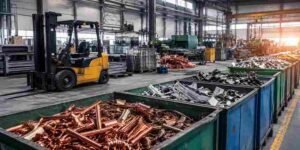
Aluminum is one of the most widely used and valuable recyclable metals in the modern world. Its lightweight structure, corrosion resistance, durability, and excellent strength make it an essential material in residential buildings, commercial properties, construction projects, transportation, and industrial manufacturing.
Every year, a significant amount of aluminum waste is generated from old household products, renovation projects, construction activities, factories, and manufacturing facilities. Many people do not realize that these unwanted materials still have high recycling potential and can be processed into new products without losing their original quality.
Understanding the Common Sources of Aluminum Scrap in Residential and Industrial Sectors helps homeowners, businesses, contractors, and manufacturers identify valuable recyclable materials. Proper aluminum recycling not only reduces landfill waste but also conserves natural resources, saves energy, and supports a more sustainable manufacturing process.
Common Sources of Aluminum Scrap in Residential Sectors and Household Applications
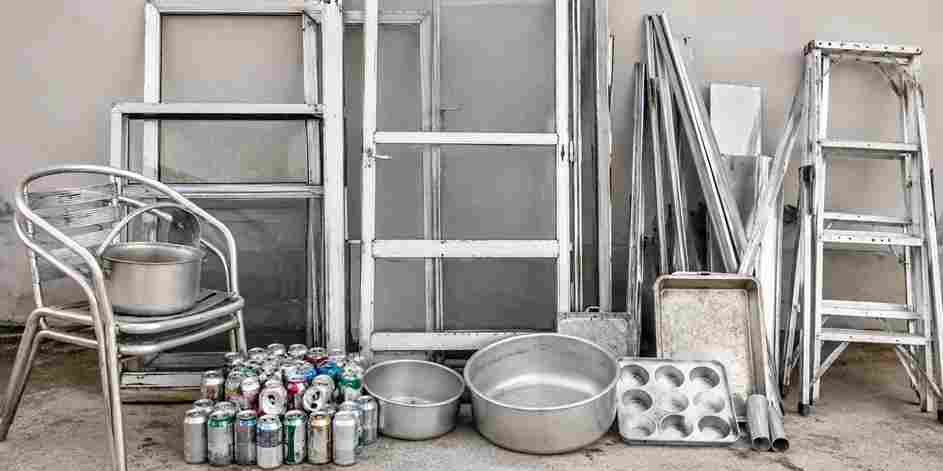
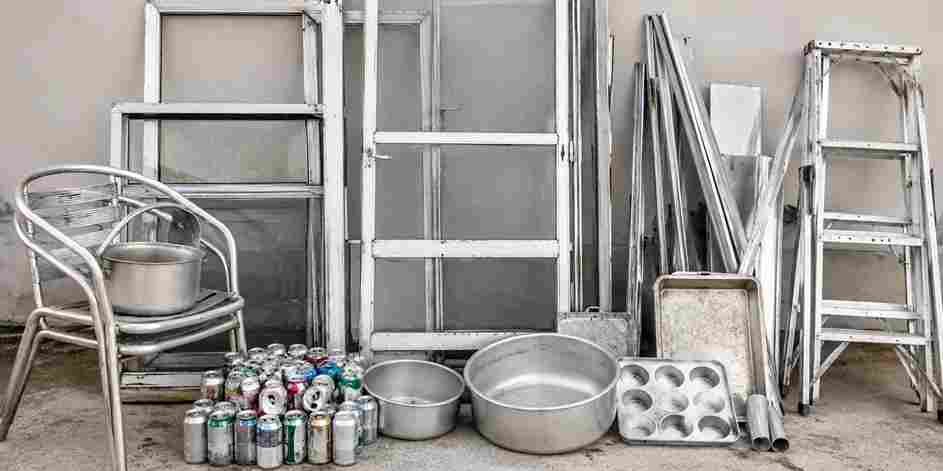
Residential properties are one of the major contributors to recyclable aluminum materials. Many everyday items found in homes contain aluminum because of its durability, rust resistance, and lightweight characteristics. When these products become damaged, outdated, or are replaced during renovation projects, they become valuable aluminum scrap.
Common household aluminum materials include aluminum cans, cooking utensils, furniture frames, ladders, curtain rails, doors, windows, roofing sheets, and decorative structures. These materials can be collected and sent for aluminum scrap recycling rather than being disposed of as general waste.
Home renovation and property improvement projects also generate significant quantities of aluminum waste. Replacing old windows, doors, kitchen components, or exterior structures often creates recyclable aluminum materials that still hold considerable value.
By properly separating aluminum products from other waste materials, homeowners can support environmentally responsible recycling practices while contributing to the circular economy. Professional Aluminum Scrap Buyer in Dubai services can help property owners manage unwanted aluminum materials safely and efficiently.
Common Sources of Aluminum Scrap in Industrial and Manufacturing Sectors
Industrial and manufacturing facilities are among the largest sources of recyclable aluminum materials. Aluminum is widely used in factories because of its lightweight properties, corrosion resistance, strength, and ability to be shaped into different products. During manufacturing processes, large amounts of aluminum scrap are generated from production lines, machining operations, and material cutting activities.
Common industrial aluminum scrap includes aluminum sheets, aluminum extrusion profiles, aluminum rods, aluminum pipes, machine components, fabrication offcuts, aluminum castings, and production leftovers. These materials often have a high recycling value because they can be processed and reused in new manufacturing applications without losing their original properties.
Many industries such as automotive manufacturing, aerospace, engineering, electronics, packaging, and metal fabrication rely heavily on aluminum products. As machinery is upgraded or production materials are replaced, significant quantities of reusable aluminum waste become available for recycling.
Proper aluminum scrap management helps manufacturers reduce disposal costs, improve operational efficiency, and support sustainable production practices. Working with a professional Scrap Buyer in Dubai allows factories and industrial businesses to recycle their aluminum waste responsibly while maximizing the value of their recyclable materials.
Common Sources of Aluminum Scrap in Construction and Commercial Projects
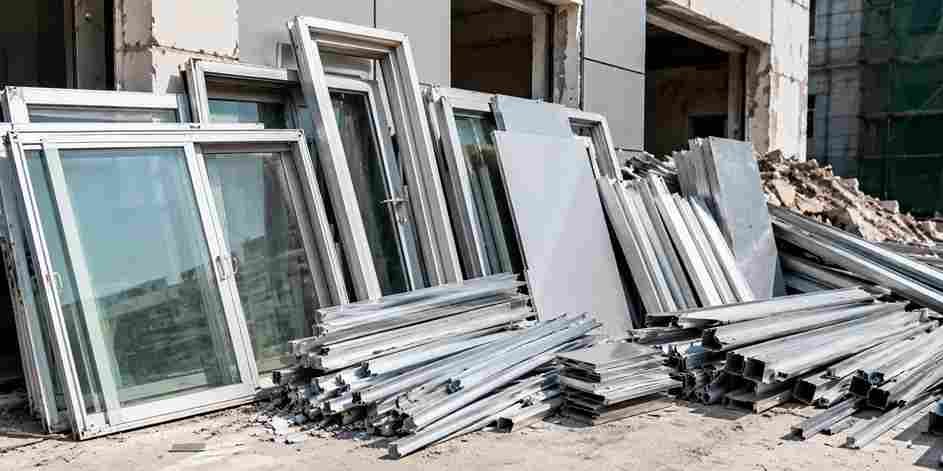
Construction and commercial sectors also produce a substantial amount of aluminum scrap during building projects, renovations, demolitions, and facility upgrades. Aluminum is commonly used in modern construction because it provides durability, weather resistance, low maintenance, and an attractive appearance.
As part of understanding the Common Sources of Aluminum Scrap in Residential and Industrial Sectors, construction sites and commercial properties are considered major contributors due to the large quantity of recyclable aluminum materials generated during renovation and demolition activities.
Common sources of construction aluminum scrap include aluminum doors, window frames, curtain walls, roofing sheets, facade panels, partitions, railings, structural components, and architectural aluminum materials. Commercial buildings, shopping centers, hotels, offices, and warehouses also generate aluminum waste when replacing old fixtures or remodeling existing spaces.
During demolition and renovation projects, separating aluminum materials from mixed construction waste improves recycling efficiency and increases the overall aluminum scrap value. Proper sorting also ensures that valuable materials are recovered and returned to the aluminum recycling process instead of ending up in landfills.
Businesses, contractors, and property managers can benefit from professional aluminum scrap collection services that provide safe handling, efficient transportation, and environmentally responsible recycling solutions. Recycling construction aluminum materials helps reduce environmental impact, conserve natural resources, and support sustainable development across residential and commercial sectors.
Environmental and Economic Benefits of Aluminum Scrap Recycling
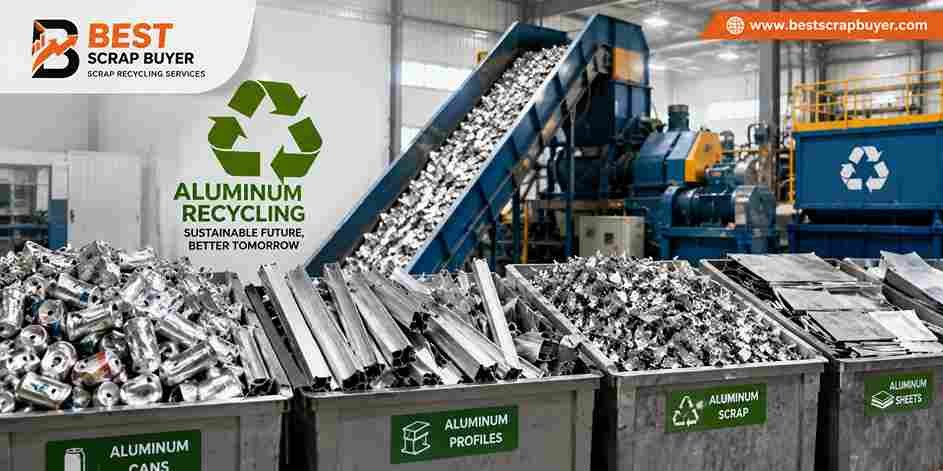
Aluminum recycling provides significant environmental and financial advantages for homeowners, businesses, construction companies, and manufacturing industries. Unlike many other materials, aluminum can be recycled repeatedly without losing its strength, quality, or performance. This makes aluminum one of the most sustainable and valuable materials in the global recycling industry.
The process of aluminum scrap recycling helps reduce the need for extracting raw bauxite ore, which requires large amounts of energy and natural resources. Reusing existing aluminum significantly lowers energy consumption, reduces greenhouse gas emissions, and minimizes industrial waste. These environmental benefits make aluminum recycling an essential part of modern sustainable manufacturing.
From an economic perspective, recyclable aluminum materials have strong market demand because they can be transformed into new products such as automotive parts, construction materials, packaging products, electrical components, and industrial equipment. Businesses can recover additional value from unwanted aluminum waste instead of paying unnecessary disposal costs.
Proper sorting, collection, and processing of aluminum scrap also improve recycling efficiency and increase the overall aluminum scrap value. Companies that regularly generate aluminum manufacturing waste, construction scrap, or fabrication offcuts can improve waste management while contributing to a cleaner environment.
Common Aluminum Scrap Sources and Their Recycling Applications
| Aluminum Scrap Source | Common Recycling Applications |
|---|---|
| Household Aluminum Products | New cans, furniture, and consumer products |
| Construction Aluminum Materials | Windows, doors, panels, and building structures |
| Industrial Aluminum Scrap | Machine parts, equipment, and manufacturing products |
| Aluminum Packaging Waste | Beverage cans and packaging materials |
| Fabrication and Production Waste | Aluminum sheets, profiles, and industrial components |
Frequently Asked Questions
What are the most common sources of aluminum scrap?
The most common sources of aluminum scrap include household items, construction materials, industrial equipment, manufacturing waste, aluminum cans, doors, windows, roofing sheets, and aluminum extrusion profiles. These materials can be recycled and transformed into new products without losing their quality.
Why is aluminum scrap valuable for recycling?
Aluminum scrap is valuable because it is lightweight, corrosion-resistant, and can be recycled multiple times. Recycling aluminum requires significantly less energy compared to producing new aluminum from raw materials, making it both economically and environmentally beneficial.
Which industries produce the largest amount of aluminum scrap?
Construction, automotive, aerospace, manufacturing, packaging, and engineering industries generate large quantities of aluminum waste. Common materials include aluminum sheets, machine components, production offcuts, and structural aluminum products.
Can old household aluminum products be recycled?
Yes, many household aluminum items such as beverage cans, kitchen utensils, old furniture, window frames, doors, and decorative materials can be collected and recycled. Proper aluminum recycling helps reduce landfill waste and supports sustainable resource management.
How can businesses manage aluminum scrap efficiently?
Businesses can improve aluminum waste management by separating aluminum materials from mixed waste, storing recyclable items properly, and working with professional recycling companies for collection and processing. This approach helps maximize the recycling value of aluminum materials.
Conclusion
Understanding the Common Sources of Aluminum Scrap in Residential and Industrial Sectors helps homeowners, businesses, and industries identify valuable recyclable materials that can be reused through professional recycling processes. Proper aluminum scrap recycling supports environmental sustainability, conserves natural resources, and creates additional value from unwanted materials.
If you have aluminum sheets, profiles, windows, doors, industrial aluminum waste, or manufacturing offcuts, Best Scrap Buyer provides reliable Aluminum Scrap Buyer in Dubai services with professional collection, competitive market prices, and responsible recycling solutions.
Contact Best Scrap Buyer today at +9710509973816 for expert aluminum scrap collection and trusted recycling services across Dubai.