
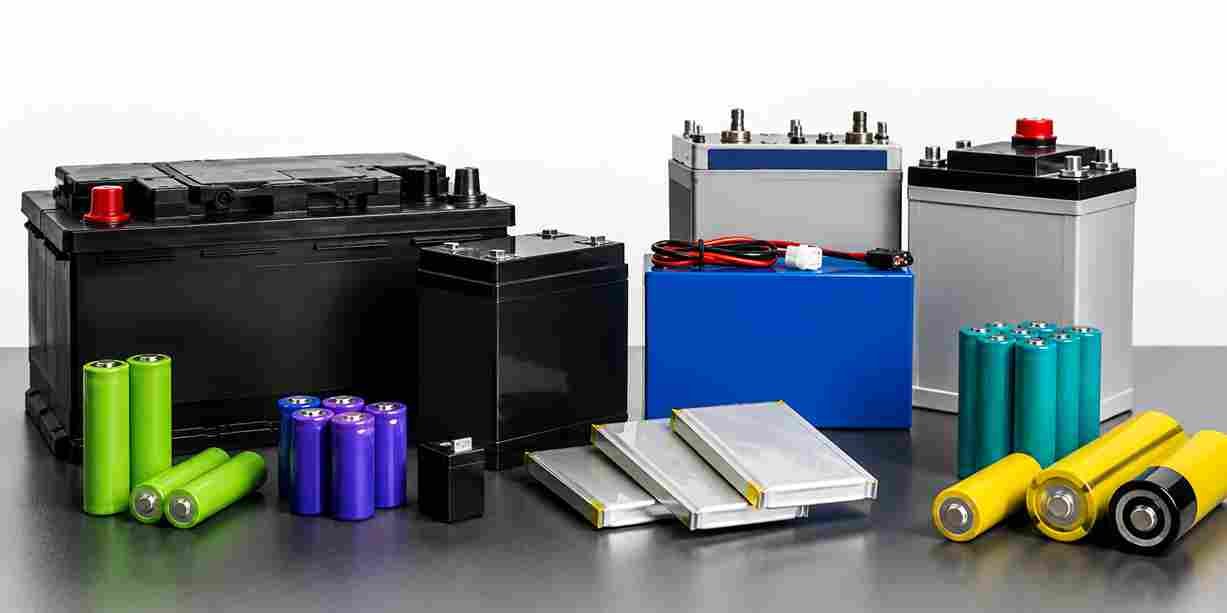
Battery waste has become one of the fastest-growing environmental challenges due to the increasing use of automotive batteries, industrial batteries, UPS systems, and rechargeable electronic devices. Many batteries contain valuable materials such as lead, lithium, nickel, cobalt, and other metals that can be recovered and reused through proper recycling processes.
Understanding How Battery Scrap Recycling Helps Protect the Environment is essential for homeowners, businesses, industries, and facility managers looking to manage used batteries responsibly. Proper battery recycling prevents harmful chemicals and heavy metals from contaminating soil and water while reducing the demand for extracting new raw materials.
Modern battery recycling technologies allow valuable components to be safely separated, processed, and transformed into reusable materials. This supports a circular economy where resources remain in use for longer periods instead of becoming hazardous waste in landfills.
Whether batteries come from vehicles, industrial equipment, backup power systems, construction machinery, or electronic devices, responsible recycling provides both environmental and economic benefits. Working with professional battery recycling companies ensures that battery materials are handled safely according to proper environmental practices.
How Battery Scrap Recycling Helps Protect the Environment by Reducing Soil and Water Pollution
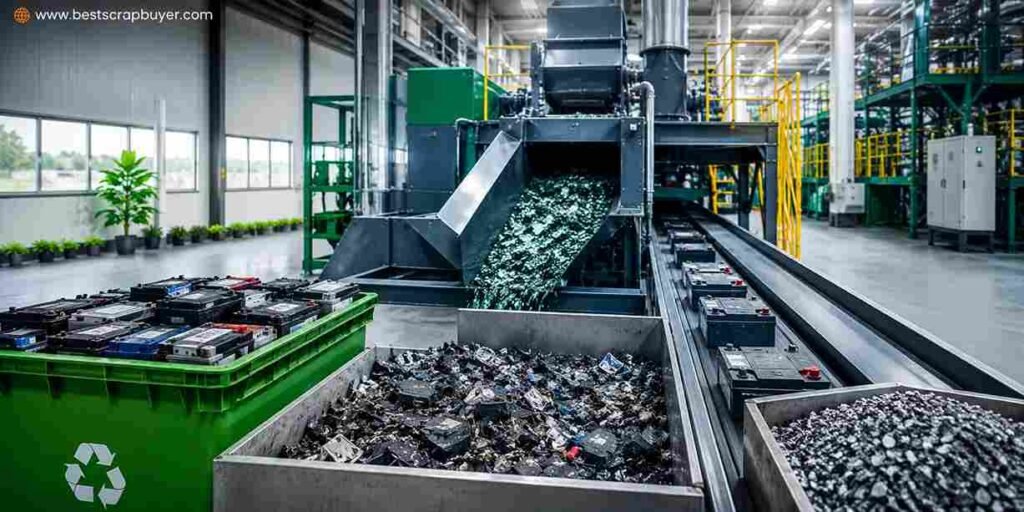
Improper disposal of batteries can release hazardous substances into the environment. Many batteries contain chemicals and heavy metals that may leak into soil, groundwater, and surrounding ecosystems when they are thrown away with general waste.
The process of battery scrap recycling helps prevent this pollution by collecting, sorting, and treating used batteries in controlled facilities. Specialized recycling methods ensure that harmful substances are managed safely while valuable materials are recovered for future manufacturing.
Lead acid batteries, lithium-ion batteries, and other rechargeable battery types require careful handling because their internal components can affect environmental quality if not managed correctly. Professional recycling facilities follow strict procedures to minimize risks and maximize material recovery.
By choosing proper battery recycling services, individuals and businesses contribute to cleaner communities, reduced environmental damage, and a more sustainable approach to waste management. Responsible recycling not only protects nature but also supports global efforts to conserve resources for future generations.
How Battery Scrap Recycling Helps Protect the Environment Through Valuable Material Recovery
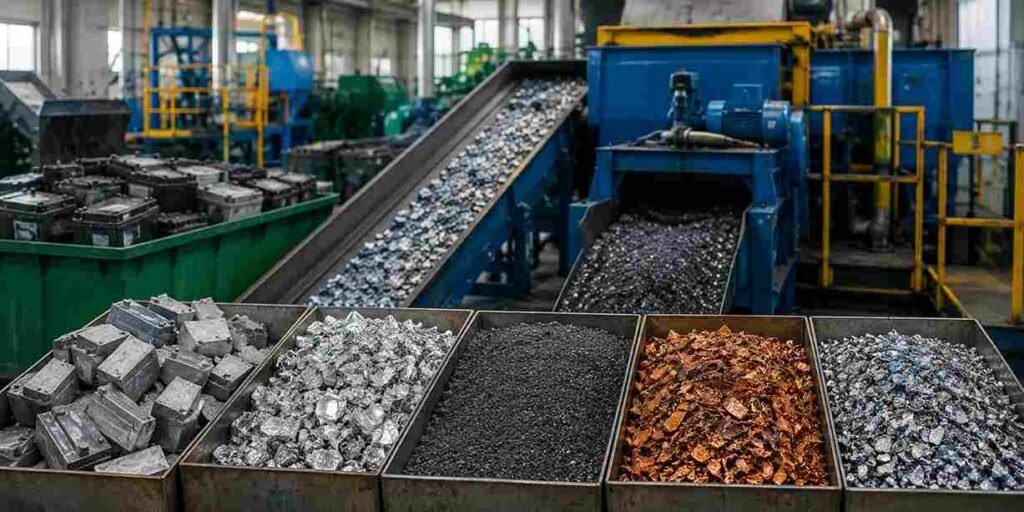
One of the most important environmental advantages of battery recycling is the recovery of valuable materials that can be reused in new products. Batteries contain important resources such as lead, lithium, nickel, cobalt, and other metals that require significant energy and natural resources to extract from the earth.
Understanding How Battery Scrap Recycling Helps Protect the Environment includes recognizing the role of material recovery in reducing the demand for mining and raw material extraction. By recovering useful battery components, recycling facilities help preserve natural resources and support a sustainable manufacturing cycle.
Different types of batteries, including lead acid batteries, lithium-ion batteries, automotive batteries, industrial batteries, and rechargeable batteries, can provide valuable recyclable materials. These recovered materials are processed and supplied back to industries for producing new batteries, electronic devices, and other industrial applications.
Proper battery material recovery also reduces the amount of hazardous battery waste sent to landfills. This process supports responsible waste management and helps create a circular economy where valuable resources remain in use for a longer period.
How Battery Scrap Recycling Helps Protect the Environment by Reducing Carbon Emissions and Conserving Natural Resources
Manufacturing new battery materials from raw resources requires extensive mining, transportation, and industrial processing, which consume large amounts of energy. Battery recycling helps reduce this environmental burden by recovering existing materials and returning them to the production cycle.
The battery recycling process significantly contributes to reducing carbon emissions because recycled materials generally require less processing compared to extracting and refining new metals. This makes recycling an effective solution for supporting global sustainability goals and reducing the environmental impact of industrial activities.
Industries that use large quantities of batteries, including transportation, construction, telecommunications, manufacturing, and energy sectors, can improve their environmental responsibility by implementing proper battery waste management practices.
Businesses and individuals who choose professional battery recycling services play an important role in protecting ecosystems, conserving limited natural resources, and promoting a cleaner future. Working with experienced Battery Scrap Buyers in Dubai ensures that used batteries are collected, handled, and processed according to responsible recycling standards.
Benefits of Professional Battery Scrap Collection and Responsible Waste Management
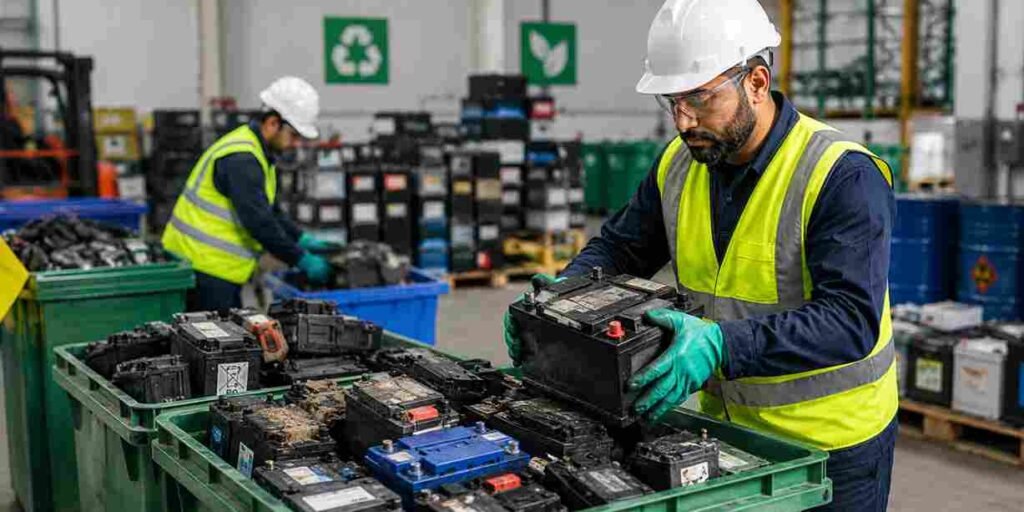
Proper collection and handling of used batteries are essential for protecting both human health and the environment. Batteries contain valuable recyclable materials, but they may also include hazardous substances that require specialized storage, transportation, and recycling procedures.
Professional battery scrap collection services ensure that used batteries are sorted, packaged, and transported according to safe waste management practices. This reduces the risk of chemical leaks, environmental contamination, and improper disposal of hazardous battery waste.
Businesses such as factories, warehouses, automotive workshops, telecommunication facilities, and industrial plants often generate large quantities of battery waste. Working with experienced Battery Scrap Buyers in Dubai helps organizations manage their battery disposal responsibly while recovering value from recyclable battery materials.
By choosing professional recycling solutions, homeowners and businesses can support environmental protection, comply with proper waste management practices, and contribute to a sustainable recycling system that keeps valuable materials in circulation.
Different Types of Batteries and Their Importance in Environmental Recycling
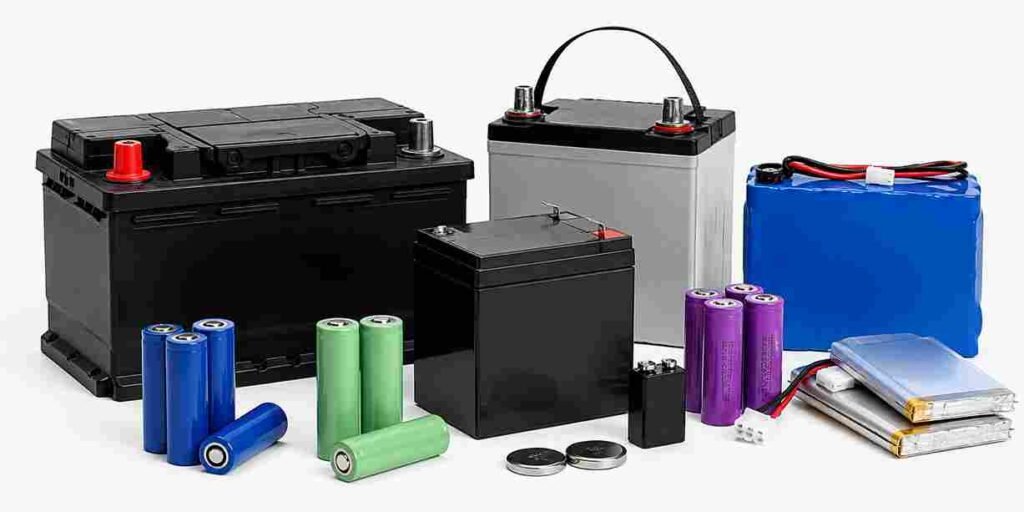
Different battery technologies contain various materials that can be recovered and reused through specialized recycling processes. Understanding these battery types helps individuals and industries recognize the importance of responsible battery disposal and recycling.
Lead acid batteries are among the most commonly recycled batteries because they contain valuable lead and plastic components that can be recovered and used in new manufacturing. These batteries are widely found in vehicles, backup power systems, and industrial equipment.
Lithium-ion batteries, commonly used in electronic devices, electric vehicles, and modern energy storage systems, contain valuable metals such as lithium, cobalt, and nickel. Proper recycling of these batteries helps reduce dependence on mining and supports sustainable resource management.
Other battery categories, including nickel-based batteries, UPS batteries, and rechargeable batteries, also contain useful materials that can be recovered through advanced recycling technologies. Responsible battery recycling ensures these resources are reused while preventing harmful materials from entering the environment.
Common Battery Types and Their Recyclable Materials
| Battery Type | Common Recyclable Materials |
|---|---|
| Lead Acid Batteries | Lead, plastic casing, and electrolyte components |
| Lithium-Ion Batteries | Lithium, cobalt, nickel, and other valuable metals |
| UPS Batteries | Lead, plastic materials, and metal components |
| Automotive Batteries | Lead plates, plastic containers, and recyclable metals |
| Rechargeable Batteries | Nickel, lithium, cobalt, and reusable battery materials |
Frequently Asked Questions
Why is battery scrap recycling important for the environment?
Battery scrap recycling is important because it prevents harmful chemicals and heavy metals from contaminating soil and water. Proper recycling also helps recover valuable materials such as lead, lithium, nickel, and cobalt for reuse in new manufacturing processes.
What materials can be recovered from used batteries?
Different types of batteries contain recyclable materials including lead, lithium, nickel, cobalt, plastic casings, and other valuable metals. Professional recycling facilities safely extract and process these materials for future industrial applications.
Can all types of batteries be recycled?
Most batteries, including lead acid batteries, lithium-ion batteries, automotive batteries, UPS batteries, and rechargeable batteries, can be recycled through specialized recycling processes designed to recover valuable materials and manage hazardous waste safely.
How does battery recycling reduce environmental pollution?
Battery recycling reduces pollution by preventing hazardous battery waste from being disposed of in landfills. It also reduces the need for raw material mining, lowers energy consumption, and supports sustainable resource conservation.
How should businesses dispose of large quantities of battery scrap?
Businesses should store used batteries safely and work with professional battery recycling companies for proper collection, transportation, and environmentally responsible recycling. This ensures compliance with safe waste management practices and maximizes the recovery of valuable materials.
Conclusion
Understanding How Battery Scrap Recycling Helps Protect the Environment highlights the importance of responsible battery disposal, material recovery, and sustainable recycling practices. Proper recycling reduces pollution, conserves natural resources, and allows valuable metals to be reused in new manufacturing.
Whether you have automotive batteries, UPS batteries, industrial batteries, or rechargeable battery waste, Best Scrap Buyer provides reliable Battery Scrap Buyers in Dubai services with professional collection, competitive market prices, and environmentally responsible recycling solutions.
Contact Best Scrap Buyer today at +9710509973816 for expert battery scrap collection and trusted recycling services across Dubai.