
Understanding Ferrous vs Non-Ferrous Metal Scrap is essential for anyone involved in metal recycling, construction, manufacturing, demolition, or industrial maintenance. Although both categories can be recycled and reused, they differ significantly in composition, properties, recycling value, and industrial applications. Knowing these differences helps homeowners, contractors, factories, and businesses sort metal correctly, estimate its value more accurately, and maximize returns when selling scrap.
Dubai generates thousands of tons of recyclable metal every year through construction projects, infrastructure development, manufacturing industries, automotive repairs, and building renovations. Steel beams, iron pipes, copper wires, aluminium sheets, brass fittings, and stainless steel components all enter the recycling stream daily. Professional scrap buyers in Dubai inspect these materials carefully before grading them according to their metal type, purity, and condition. Learning how ferrous and non-ferrous metals are identified makes the recycling process easier while helping sellers receive fair market prices.
This guide explains the major differences between ferrous and non-ferrous metal scrap, how each type is identified, where they are commonly found, and why some metals are considerably more valuable than others. You will also learn practical tips for sorting metal scrap before selling it to a professional recycling company.
What Is Metal Scrap?
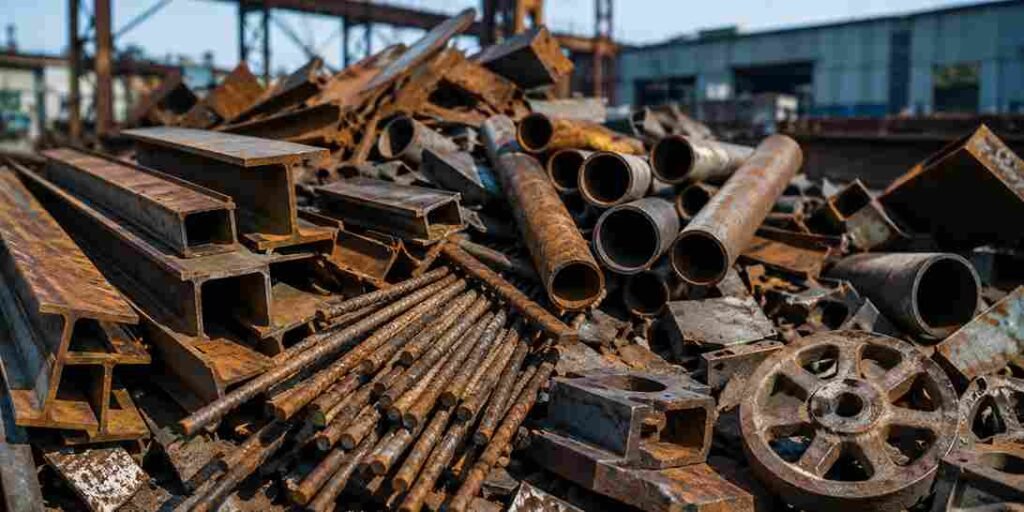
Metal scrap refers to discarded metal materials that can be collected, processed, and recycled into new products instead of being sent to landfill sites. Scrap metal is generated from many different sources, including construction projects, manufacturing plants, household renovations, automotive repairs, demolition work, electrical installations, and industrial machinery replacement. Since most metals can be recycled repeatedly without losing their essential properties, recycling plays an important role in conserving natural resources and reducing environmental waste.
Professional recycling facilities inspect every load of scrap metal before separating it into different categories. Ferrous metals and non-ferrous metals are processed differently because they contain different chemical compositions and have unique physical characteristics. Proper identification is therefore one of the most important steps in the recycling process.
Understanding Scrap Metal
Scrap metal is generally divided into two main categories: ferrous metals and non-ferrous metals. Ferrous metals contain iron as their primary component, while non-ferrous metals contain little or no iron. This simple difference affects everything from magnetic properties and corrosion resistance to recycling value and industrial demand.
Common sources of scrap metal include old machinery, electrical wiring, plumbing systems, construction materials, vehicles, household appliances, industrial equipment, and manufacturing offcuts. Rather than disposing of these materials, recycling companies recover valuable metals so they can be used again in new products.
Why Metal Recycling Is Important
Metal recycling offers significant environmental and economic benefits. Producing metals from recycled materials requires much less energy than extracting raw ores from the earth. Recycling also reduces greenhouse gas emissions, lowers industrial waste, and conserves valuable natural resources.
For businesses and property owners in Dubai, recycling metal scrap also creates an additional source of income. Materials such as copper, brass, aluminium, stainless steel, and steel can often be sold to professional recycling companies, helping reduce disposal costs while supporting sustainable waste management.
What Is Ferrous Metal Scrap?
Ferrous metal scrap refers to metals that contain iron as their primary element. Because of their iron content, most ferrous metals are magnetic, strong, and widely used in construction, heavy engineering, manufacturing, and infrastructure projects. Steel and cast iron are among the most common examples of ferrous metals found in the recycling industry.
Although ferrous metals generally have a lower recycling value than premium non-ferrous metals such as copper and brass, they remain highly recyclable due to the enormous quantities generated by construction and industrial activities. Their widespread use makes them one of the largest categories processed by recycling facilities.
Definition of Ferrous Metals
The word “ferrous” comes from the Latin word ferrum, meaning iron. Any metal that contains a significant amount of iron is considered a ferrous metal. These materials are known for their excellent strength, durability, and load-bearing capacity, making them ideal for structural applications.
Because iron reacts with oxygen and moisture, many ferrous metals are susceptible to rust if they are not properly protected through coatings or alloying elements.
Common Types of Ferrous Scrap
Ferrous scrap is found in many everyday products and industrial applications. Common examples include:
- Structural steel beams
- Iron pipes
- Steel reinforcement bars
- Cast iron machinery
- Construction equipment
- Vehicle frames
- Steel roofing sheets
- Industrial storage tanks
- Heavy machinery components
- Household appliances such as washing machines and refrigerators
Construction sites, demolition projects, factories, and manufacturing plants generate large quantities of ferrous scrap throughout Dubai every year.
Advantages of Recycling Ferrous Metals
Recycling ferrous metals helps conserve iron ore while significantly reducing energy consumption during steel production. Since steel can be recycled repeatedly without losing its structural properties, it remains one of the world’s most recycled materials.
The recycling process also reduces landfill waste, lowers carbon emissions, and supplies manufacturers with affordable raw materials for producing new steel products. Businesses that recycle ferrous scrap contribute to sustainable construction and industrial development while recovering value from materials that would otherwise be discarded.
What Is Non-Ferrous Metal Scrap?

Unlike ferrous metals, non-ferrous metals contain little or no iron. These metals are valued for their excellent corrosion resistance, lighter weight, high electrical conductivity, and long service life. Because they do not rust easily, non-ferrous metals are widely used in electrical systems, plumbing, construction, aerospace, marine applications, and industrial manufacturing.
Most non-ferrous metals are more valuable than ferrous metals because they are less abundant and require specialized extraction processes. Materials such as copper, brass, aluminium, lead, zinc, and stainless steel are regularly collected by professional recycling companies due to their strong demand in manufacturing industries. Their ability to be recycled repeatedly without losing quality makes them one of the most important categories in the global recycling market.
Definition of Non-Ferrous Metals
Non-ferrous metals are metals that contain little or no iron in their chemical composition. Since they lack significant iron content, they generally do not rust like ordinary steel when exposed to moisture. Many non-ferrous metals are also non-magnetic, making them easier to distinguish from ferrous metals during the sorting process.
These metals are commonly selected for applications that require corrosion resistance, electrical conductivity, lightweight construction, or long-term durability. Professional recyclers carefully separate non-ferrous metals because each type has its own recycling value and processing requirements.
Common Types of Non-Ferrous Scrap
Many valuable household and industrial materials fall into the non-ferrous category. Common examples include:
- Copper electrical wires
- Copper pipes
- Brass valves
- Brass plumbing fittings
- Aluminium sheets
- Aluminium window frames
- Beverage cans
- Stainless steel equipment
- Lead batteries
- Zinc roofing materials
These metals are generated during construction, demolition, electrical installations, plumbing upgrades, automotive repairs, manufacturing processes, and industrial maintenance projects throughout Dubai.
Why Non-Ferrous Metals Are More Valuable
One of the main reasons non-ferrous metals command higher recycling prices is their limited natural availability and high industrial demand. Copper, brass, and aluminium are essential materials used in electrical systems, renewable energy projects, transportation, construction, and advanced manufacturing. Their excellent conductivity, corrosion resistance, and durability make them difficult to replace with alternative materials.
Recycling these metals also requires far less energy than producing them from newly mined ores. As global industries continue to prioritize sustainability and resource conservation, demand for recycled non-ferrous metals continues to increase, helping maintain their strong market value.
Ferrous vs Non-Ferrous Metal Scrap Comparison
Although both categories are recyclable, Ferrous vs Non-Ferrous Metal Scrap differ in several important ways. Understanding these differences helps sellers identify materials correctly and estimate their recycling value before arranging collection.
Iron Content
The most significant difference is iron content. Ferrous metals contain iron as their primary component, while non-ferrous metals contain little or no iron. This difference affects nearly every physical property, including strength, corrosion resistance, and magnetic behavior.
Magnetic Properties
Most ferrous metals are magnetic because of their iron content. A simple magnet can often identify steel, cast iron, and other ferrous materials within seconds.
Most non-ferrous metals such as copper, brass, aluminium, lead, and zinc are not magnetic. Although some stainless steel alloys may respond slightly to magnets, they are generally classified separately because of their corrosion-resistant properties.
Corrosion Resistance
Ferrous metals can rust when exposed to moisture and oxygen unless they are protected by coatings or alloying elements. Rust weakens metal over time and increases maintenance requirements.
Non-ferrous metals naturally resist corrosion, making them suitable for outdoor environments, marine equipment, plumbing systems, and electrical installations where long-term durability is important.
Weight
Ferrous metals are generally heavier because of their iron content. Steel beams, cast iron pipes, machinery components, and structural materials often weigh considerably more than aluminium or copper products of similar size.
Many non-ferrous metals, particularly aluminium, are much lighter while still providing excellent strength, making them popular in transportation and aerospace industries.
Market Value
Non-ferrous metals usually have significantly higher recycling values than ferrous metals. Copper, brass, and aluminium consistently attract strong market demand because of their industrial importance and limited availability.
Ferrous metals remain valuable due to the large quantities recycled worldwide, but their price per kilogram is generally lower than premium non-ferrous metals.
Industrial Applications
Ferrous metals are primarily used for structural applications such as bridges, buildings, heavy machinery, vehicles, pipelines, and industrial equipment where strength is the highest priority.
Non-ferrous metals are commonly used in electrical wiring, plumbing systems, roofing, aircraft, marine equipment, electronics, and decorative architectural products because they resist corrosion and conduct electricity efficiently.
Environmental Benefits
Both ferrous and non-ferrous metals provide significant environmental benefits when recycled. Recycling reduces landfill waste, conserves natural resources, lowers energy consumption, and decreases greenhouse gas emissions associated with mining and metal production.
Every tonne of recycled metal helps reduce the demand for newly extracted raw materials while supporting sustainable industrial development across Dubai and beyond.
| Comparison Factor | Ferrous Metal Scrap | Non-Ferrous Metal Scrap |
|---|---|---|
| Iron Content | Contains iron as the primary metal. | Contains little or no iron. |
| Magnetic Properties | Usually magnetic. | Generally non-magnetic. |
| Corrosion Resistance | Can rust when exposed to moisture. | Highly resistant to rust and corrosion. |
| Weight | Generally heavier. | Usually lighter, especially aluminium. |
| Common Metals | Steel, Cast Iron, Carbon Steel. | Copper, Brass, Aluminium, Lead, Zinc. |
| Recycling Value | Moderate market value. | Generally higher market value. |
| Common Uses | Construction, bridges, machinery, vehicles. | Electrical wiring, plumbing, electronics, roofing. |
| Demand in Dubai | High due to construction and infrastructure. | Very high because of manufacturing and electrical industries. |
| Typical Examples | Steel beams, iron pipes, machine frames. | Copper wire, brass valves, aluminium sheets. |
How to Identify Ferrous and Non-Ferrous Scrap
Correctly identifying metal scrap is one of the most important steps before selling it for recycling. Professional recyclers use several inspection methods to classify materials accurately, but many metals can also be identified using simple techniques. Learning these methods helps homeowners, contractors, and businesses separate valuable materials before collection and avoid mixing different grades together.
Use a Magnet
The easiest way to distinguish between ferrous and non-ferrous metals is by using a magnet. Since ferrous metals contain iron, they are usually attracted to magnets. Steel beams, cast iron components, machinery parts, and iron pipes typically respond immediately when a magnet is placed against them.
Most non-ferrous metals such as copper, brass, aluminium, lead, and zinc do not attract magnets. This quick test provides a simple first step for identifying common scrap metals before sorting them for recycling.
Check for Rust
Rust is another useful indicator when identifying scrap metal. Ferrous metals are more likely to develop reddish-brown rust after prolonged exposure to moisture and oxygen. Structural steel, iron pipes, and cast iron machinery often show visible signs of corrosion if left outdoors without protective coatings.
Non-ferrous metals generally resist rust. Although some may develop surface oxidation or discoloration over time, they do not produce the same type of rust commonly associated with iron and steel.
Observe the Metal Color
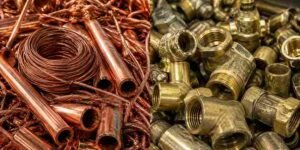
Color can provide additional clues about metal type. Copper has its familiar reddish-orange appearance, while brass displays a bright golden-yellow color. Aluminium usually appears silver-white and has a lightweight feel, whereas steel and iron are generally darker gray in color.
Although color alone should not be used as the only identification method, combining visual inspection with magnetic testing often provides a reliable assessment before professional evaluation.
Professional Inspection
When large quantities of mixed scrap are involved, professional inspection provides the most accurate identification. Recycling companies use specialized equipment, experience, and grading procedures to separate different metal types according to their composition, purity, and recycling value.
Professional inspections also help sellers receive fair quotations because premium metals such as copper and brass are separated from lower-value ferrous materials before pricing.
Which Metal Scrap Has Higher Recycling Value?
The recycling value of metal depends on several factors, including market demand, purity, quantity, and ease of processing. While both ferrous and non-ferrous metals are recyclable, non-ferrous metals generally command significantly higher prices due to their greater industrial demand and limited natural availability.
Among all recyclable metals, copper usually offers the highest value because it is widely used in electrical wiring, renewable energy systems, industrial machinery, and construction projects. Brass also maintains strong market demand because of its copper content and extensive use in plumbing and industrial fittings. Aluminium is another valuable recyclable metal because it is lightweight, corrosion-resistant, and widely used across transportation, packaging, and construction industries.
Ferrous metals such as steel and cast iron remain essential to the recycling industry because they are generated in very large quantities. Although their price per kilogram is generally lower than copper or brass, recycling steel still provides significant environmental and economic benefits due to the enormous volume processed worldwide.
Tips Before Selling Metal Scrap
Preparing metal properly before selling can improve the recycling process and help sellers receive more accurate quotations. A few simple steps can make a noticeable difference in both grading efficiency and overall value.
Separate Different Metal Types
Keep ferrous and non-ferrous metals in separate containers whenever possible. Sorting copper, brass, aluminium, steel, and iron individually allows recyclers to inspect each material more efficiently.
Remove Non-Metal Attachments
Plastic, rubber, wood, and other non-metal components may reduce grading efficiency. Removing these materials where practical can simplify inspection and improve recycling quality.
Store Scrap in a Dry Area
Keeping recyclable metals protected from excessive moisture helps preserve their condition before collection. Clean and organized materials are generally easier to inspect.
Compare Professional Quotations
Requesting quotations from experienced recycling companies provides a better understanding of current market conditions and ensures transparent pricing based on proper grading methods.
Choose a Trusted Recycling Company
Working with an experienced Scrap Purchasing Company in Dubai ensures accurate weighing, professional inspections, transparent grading, and environmentally responsible recycling practices.
Frequently Asked Questions
What is the main difference between ferrous and non-ferrous metal scrap?
The biggest difference is their iron content. Ferrous metals contain iron and are usually magnetic, while non-ferrous metals contain little or no iron and generally resist corrosion better. This difference affects their recycling process, industrial applications, and market value.
How can I identify ferrous and non-ferrous metals at home?
A simple magnet test is one of the easiest identification methods. Ferrous metals such as steel and iron are usually attracted to magnets, while most non-ferrous metals like copper, brass, and aluminium are not. You can also observe the metal’s color, weight, and signs of rust to make a basic identification before professional inspection.
Which metal scrap is more valuable?
In most cases, non-ferrous metals have a higher recycling value because of their strong industrial demand and limited availability. Copper is generally one of the highest-value recyclable metals, followed by brass and aluminium. Ferrous metals such as steel and iron are also valuable but usually have a lower price per kilogram due to their greater availability.
Can rusty ferrous metal still be recycled?
Yes. Rusty steel and iron can still be recycled even if they show signs of surface corrosion. Professional recycling companies inspect the material, remove contaminants when necessary, and process it using specialized recycling equipment. However, excessive contamination may affect the grading process.
Why should I separate ferrous and non-ferrous scrap before selling?
Separating different metal types allows recycling companies to inspect and grade each material more accurately. Proper sorting also reduces processing time, improves recycling efficiency, and often results in a more accurate quotation because valuable non-ferrous metals are not mixed with lower-value ferrous scrap.
Conclusion
Understanding Ferrous vs Non-Ferrous Metal Scrap helps homeowners, contractors, manufacturers, and industrial businesses identify recyclable metals more accurately and make better recycling decisions. While ferrous metals such as steel and iron are widely used for structural applications, non-ferrous metals like copper, brass, and aluminium are valued for their corrosion resistance, conductivity, and higher recycling prices. Knowing the differences between these metal categories allows sellers to sort their materials correctly, improve recycling efficiency, and maximize the value of their scrap.
If you are looking for a reliable Scrap Purchasing Company in Dubai, BestScrapBuyer offers professional metal scrap collection, transparent weighing, competitive market prices, and environmentally responsible recycling services across Dubai. Whether you have ferrous metal, non-ferrous metal, industrial scrap, construction scrap, or large commercial quantities, our experienced team is ready to provide a fair quotation and dependable service.
📞 Call BestScrapBuyer today at +9710509973816 to schedule a free metal scrap collection anywhere in Dubai and receive competitive prices based on current market rates.