
Understanding the Factors That Affect Metal Scrap Prices is essential for homeowners, contractors, manufacturers, demolition companies, and industrial businesses looking to maximize the value of their recyclable materials. Scrap metal prices do not remain constant throughout the year. They change regularly based on several economic and industry-related factors, including the type of metal, market demand, material quality, and global supply conditions. Knowing what influences these prices helps sellers make informed decisions and choose the best time to recycle their metal scrap.
Dubai’s construction, manufacturing, automotive, and infrastructure sectors generate thousands of tons of recyclable metal every year. Materials such as copper, brass, aluminium, steel, stainless steel, and iron are collected daily by professional recycling companies and returned to the manufacturing industry. Because each metal has different properties, industrial demand, and recycling costs, its market value can vary significantly. Understanding how recycling companies evaluate these materials helps sellers prepare their scrap properly and receive fair, competitive quotations.
This guide explains the most important factors that influence scrap metal prices, why values fluctuate throughout the year, and how simple preparation techniques can help improve the overall recycling value of your materials before collection.
Why Do Metal Scrap Prices Change?
Many people expect scrap prices to remain the same throughout the year, but metal recycling markets operate much like other global commodity markets. Prices increase or decrease depending on industrial demand, raw material availability, manufacturing activity, transportation costs, and international economic conditions. Professional recycling companies monitor these market changes continuously to provide quotations that reflect current metal values.
Although local market conditions in Dubai play an important role, international demand for recyclable metals also affects pricing. Metals such as copper, aluminium, and steel are traded globally, meaning events in other countries can influence recycling prices locally.
Understanding Scrap Metal Pricing
Every type of recyclable metal has its own market value based on its physical properties and industrial demand. Copper generally commands one of the highest recycling prices because it is widely used in electrical systems, renewable energy projects, plumbing, and manufacturing. Brass and aluminium also maintain strong market demand due to their durability, corrosion resistance, and versatility.
Ferrous metals such as steel and iron usually have lower prices per kilogram than premium non-ferrous metals. However, because construction projects generate these materials in much larger quantities, they continue to play a major role in the recycling industry.
Professional recyclers inspect every load carefully before determining its value. Factors such as metal type, cleanliness, contamination, quantity, and current market conditions all contribute to the final quotation.
Why Prices Fluctuate Frequently
Metal scrap prices rarely remain fixed because supply and demand constantly change. When manufacturing industries require larger quantities of recycled metals, demand increases and prices often rise. Conversely, when industrial production slows or global supply exceeds demand, prices may decline.
International commodity markets, fuel prices, shipping costs, currency exchange rates, and construction activity also influence recycling values. Since Dubai imports and exports large quantities of recyclable materials, changes in global trade can directly affect local scrap prices.
For this reason, sellers often benefit from requesting quotations close to their planned collection date rather than relying on older price estimates.
8 Most important Factors That Affect Metal Scrap Prices
1. Type of Metal
One of the most important Factors That Affect Metal Scrap Prices is the type of metal being recycled. Every metal has a different market value because each serves different industries and requires different production methods. Some metals are relatively common and widely available, while others are less abundant and highly sought after for specialized manufacturing applications.
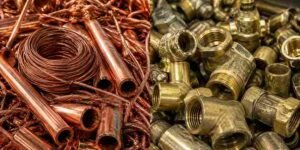
Copper remains one of the most valuable recyclable metals because of its excellent electrical conductivity and widespread use in power distribution, electronics, construction, renewable energy systems, and industrial machinery. Brass also commands strong prices due to its copper content and extensive use in plumbing fittings, valves, and industrial equipment.
Aluminium is another highly recyclable metal that maintains good market value because it is lightweight, corrosion-resistant, and used extensively in transportation, packaging, aviation, and construction. Stainless steel also provides reliable recycling value because of its durability and resistance to corrosion.
Ferrous metals such as steel and iron generally have lower prices per kilogram compared to non-ferrous metals. However, they remain essential to the recycling industry because of the enormous quantities generated by construction sites, demolition projects, factories, and manufacturing plants. Their large volume makes them one of the most recycled materials worldwide despite their lower unit value.
2. Metal Purity and Quality
The condition of recyclable metal has a direct impact on its market value. Clean, dry, and well-sorted materials are easier for recycling companies to inspect, process, and recycle. Metals free from excessive rust, oil, paint, plastic, rubber, wood, or other contaminants generally receive more favorable grading than mixed or contaminated loads.
For example, bare bright copper wire is worth considerably more than insulated copper cable because additional processing is required to remove the insulation. Similarly, clean brass fittings separated from mixed metal waste are easier to evaluate and often receive better quotations.
Professional recyclers carefully inspect every load before pricing. Businesses and homeowners who prepare their materials properly by separating different metal types and removing obvious non-metal attachments where practical often improve both the inspection process and the overall recycling value.
3. Quantity of Scrap
The quantity of recyclable metal is another important factor that influences scrap prices. While recycling companies purchase both small and large amounts of scrap, bulk quantities are generally easier and more economical to collect, transport, inspect, and process. Businesses, factories, construction companies, and industrial facilities that generate large volumes of metal scrap often benefit from more efficient collection services and competitive quotations.
Selling larger quantities also allows recycling companies to optimize transportation and processing costs. Instead of making multiple small collections, they can handle a significant volume in a single visit, improving operational efficiency. Although current market rates remain the primary pricing factor, organized bulk loads simplify the recycling process and create a smoother transaction for both the seller and the recycler.
Current Global Market Demand
Global demand has a major influence on recyclable metal prices because many metals are traded internationally. Industries involved in construction, renewable energy, automotive manufacturing, electronics, aerospace, and infrastructure require large quantities of recycled metals every year. When these industries experience growth, demand for recyclable materials usually increases, which can positively influence market prices.
Copper is a good example of a metal whose value is closely linked to international demand. Increased investment in electrical infrastructure, electric vehicles, solar energy, and manufacturing often strengthens demand for recycled copper. Aluminium, stainless steel, and brass also experience price fluctuations depending on global production levels, industrial activity, and raw material availability.
Professional recycling companies monitor international commodity markets regularly to ensure quotations reflect current industry conditions.
5. Local Supply and Demand in Dubai
In addition to international markets, local economic activity within Dubai also affects recycling prices. The city’s continuous investment in construction, commercial development, manufacturing, transportation, and infrastructure creates strong demand for recyclable metals throughout the year.
Large construction projects generate substantial quantities of steel, iron, aluminium, copper wiring, and other recyclable materials. At the same time, manufacturers require recycled metals as cost-effective raw materials for producing new products. When local demand increases while supply remains limited, recycling companies may offer more competitive quotations.
Seasonal construction activity, renovation projects, and industrial expansion can all contribute to changes in local market conditions.
6. Processing and Transportation Costs
Every load of scrap metal requires collection, transportation, inspection, sorting, and processing before it can be recycled. These operational costs influence how recycling companies evaluate materials and prepare quotations.
Clean, organized, and well-separated scrap generally requires less labor and processing than mixed or heavily contaminated loads. Materials that are easy to inspect and transport help improve operational efficiency, allowing recycling companies to process recyclable metals more effectively.
Businesses that prepare their scrap properly before collection often make the inspection process faster and more efficient while supporting accurate grading.
Seasonal Market Trends
Although metal recycling operates throughout the year, seasonal changes can influence both supply and industrial demand. Construction activity, infrastructure projects, manufacturing output, and renovation work often vary depending on economic conditions and project schedules.
For example, periods of increased construction activity may generate larger quantities of steel, copper, aluminium, and brass scrap. Manufacturing growth can also increase demand for recycled metals used in producing new equipment and building materials.
Because these market conditions change over time, scrap prices may fluctuate throughout the year rather than remaining constant.
Government Policies and International Trade
Government regulations and international trade policies also influence recyclable metal prices. Environmental regulations, import and export policies, industrial standards, and recycling initiatives can affect both the supply of recyclable metals and demand from manufacturers.
Countries that promote sustainable manufacturing and circular economy practices often increase their use of recycled metals, strengthening long-term demand. Likewise, changes in international trade agreements or shipping costs can influence the movement of recyclable materials between global markets.
Professional recycling companies stay informed about these developments to ensure quotations reflect current industry conditions.
How to Get Better Prices for Your Scrap Metal
Receiving a competitive quotation depends not only on market conditions but also on how well recyclable materials are prepared before collection. Simple preparation methods can improve inspection efficiency and help recycling companies evaluate materials more accurately.
Separate Different Metal Types
Keep copper, brass, aluminium, stainless steel, iron, and steel in separate containers whenever possible. Proper sorting allows each metal to be graded individually.
Remove Unnecessary Contamination
Where practical, remove plastic, rubber, wood, insulation, or other non-metal materials attached to recyclable metals. Cleaner scrap is easier to inspect and process.
Store Materials Properly
Keep scrap metal in a clean, dry location before collection. Proper storage helps maintain material quality and simplifies inspection.
Request Multiple Quotations
Comparing quotations from experienced recycling companies provides a better understanding of current market conditions and ensures transparent pricing.
Choose a Professional Recycling Company
Working with a trusted Scrap Purchasing Company in Dubai ensures accurate weighing, fair grading, professional customer service, and environmentally responsible recycling practices.
Frequently Asked Questions
Why do metal scrap prices change so often?
Metal scrap prices change because of fluctuations in global demand, local supply, manufacturing activity, transportation costs, and international commodity markets. Recycling companies regularly update their quotations to reflect current market conditions.
Which metal usually has the highest scrap value?
Copper is generally one of the highest-value recyclable metals because of its excellent electrical conductivity and strong demand in construction, manufacturing, renewable energy, and electrical industries. Brass and aluminium also maintain competitive recycling values.
Does dirty or mixed scrap reduce its value?
Yes. Mixed or contaminated scrap often requires additional sorting and processing before recycling. Clean, dry, and well-separated materials are easier to inspect and generally receive more accurate grading.
Should I separate different metals before selling them?
Yes. Separating copper, brass, aluminium, stainless steel, iron, and steel helps recycling companies identify each material correctly. Proper sorting improves inspection efficiency and often results in a more accurate quotation.
How do professional recycling companies determine scrap prices?
Professional recyclers evaluate several factors, including metal type, purity, quantity, current market demand, local supply conditions, and the overall quality of the recyclable materials before providing a quotation.
Conclusion
Understanding the Factors That Affect Metal Scrap Prices allows homeowners, contractors, manufacturers, and industrial businesses to make informed recycling decisions. The type of metal, its purity, quantity, market demand, processing requirements, and local economic conditions all play an important role in determining the final value of recyclable materials. Preparing scrap properly by sorting different metals, keeping materials clean, and working with experienced recycling professionals can help maximize returns while supporting environmentally responsible recycling.
If you are looking for a trusted Scrap Purchasing Company in Dubai, BestScrapBuyer provides professional scrap metal collection, transparent weighing, competitive market prices, and environmentally responsible recycling services across Dubai. Whether you have copper, brass, aluminium, steel, iron, or mixed industrial scrap, our experienced team is ready to provide a fair quotation and reliable collection service.
📞 Call BestScrapBuyer today at +9710509973816 for a free quotation and professional metal scrap collection anywhere in Dubai.