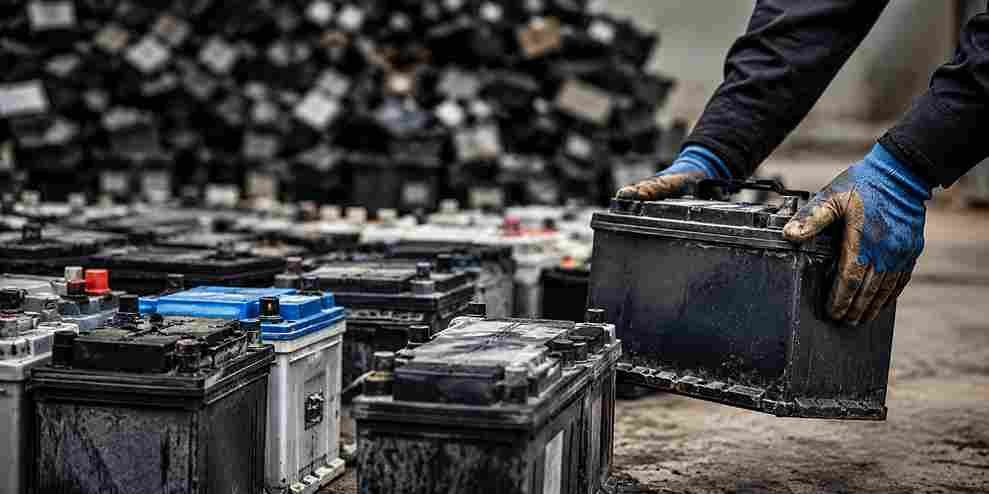
Battery scrap has become one of the most valuable recyclable materials because it contains reusable metals and components that can be recovered through professional recycling. Whether you are selling automotive batteries, UPS batteries, inverter batteries, telecom batteries, industrial batteries, or lead-acid batteries, understanding How to Get the Best Price for Used Battery Scrap can help you maximize your return while supporting environmentally responsible recycling. Many businesses unknowingly reduce the value of their battery scrap by storing batteries incorrectly, mixing different battery types, or choosing buyers without comparing quotations.
Professional battery recyclers evaluate much more than just the number of batteries you are selling. Factors such as battery type, condition, quantity, lead content, market demand, and storage practices all influence the final quotation. Businesses that prepare their battery scrap properly often experience a smoother inspection process and receive more accurate and competitive offers. By learning how professional buyers assess used batteries, you can avoid common mistakes and improve the overall value of your recyclable materials.
This guide explains the most important factors that influence battery scrap prices, practical steps to prepare your batteries before collection, and simple strategies that can help businesses obtain the best possible value when selling used battery scrap.
Why Used Battery Scrap Has Value?
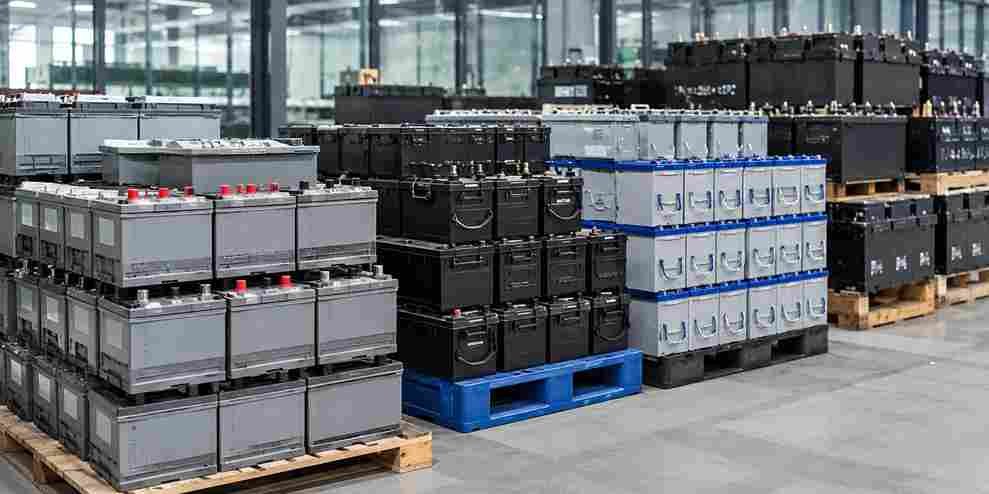
Used batteries still contain valuable raw materials that can be recovered and reused in manufacturing. Lead, plastic, copper, and other recyclable components remain useful even after a battery has reached the end of its service life. Instead of sending these materials to landfill sites, professional recycling companies recover and process them for use in producing new batteries and industrial products.
The increasing demand for sustainable manufacturing and resource conservation has made battery recycling an important part of the circular economy. Recycling helps reduce the need for raw material mining, conserves natural resources, minimizes environmental pollution, and supports responsible waste management. Because of these benefits, businesses that recycle their battery scrap contribute to both environmental protection and resource efficiency while generating value from materials that would otherwise be discarded.
How Professional Buyers Evaluate Used Battery Scrap
Before providing a quotation, experienced battery scrap buyers carefully inspect the materials they receive. They assess the battery chemistry, physical condition, quantity, and overall quality to determine how efficiently the batteries can be recycled. Professional buyers also consider current market conditions, recycling demand, and transportation requirements before calculating a competitive price.
Understanding this evaluation process allows businesses to prepare their battery scrap more effectively. Simple steps such as separating battery types, storing batteries correctly, and providing accurate quantity estimates can make the inspection process faster and help ensure a fair valuation.
1. Battery Type
One of the biggest factors affecting battery scrap prices is the type of battery being recycled. Different battery technologies contain different materials, require different recycling processes, and have varying market demand.
Lead-acid batteries remain among the most commonly recycled batteries because they contain recyclable lead and durable plastic casings. Lithium-ion batteries are becoming increasingly valuable due to the recovery of materials such as lithium, cobalt, nickel, copper, and aluminium. Industrial batteries, telecom batteries, and large backup power batteries may also contain valuable recyclable materials depending on their design and application.
Separating batteries by type before collection allows professional recyclers to inspect and grade each category accurately. Mixed battery loads often require additional sorting, which can make the recycling process more complex and time-consuming.
2. Battery Condition
The physical condition of used batteries also plays an important role during the valuation process. Batteries that are stored properly and remain structurally intact are generally easier to inspect, transport, and recycle than heavily damaged or leaking units.
Professional recyclers examine batteries for cracked casings, corrosion, leakage, broken terminals, and other signs of physical damage. While damaged batteries can still be recycled, they often require additional safety measures during handling and transportation.
Keeping batteries in a dry, covered, and well-organized storage area until collection helps preserve their condition and supports a safer, more efficient recycling process.
3. Lead Content and Recoverable Materials
One of the most important factors influencing How to Get the Best Price for Used Battery Scrap is the amount of recoverable material inside the battery. Professional recycling companies evaluate batteries based on the valuable materials that can be safely recovered and reused during the recycling process.
Lead-acid batteries contain recyclable lead, polypropylene plastic casings, copper connectors, and electrolyte solutions that are processed using specialized recycling methods. Since lead is one of the primary materials recovered, batteries with intact internal components generally provide better recycling potential. Lithium batteries also contain valuable materials such as lithium, nickel, cobalt, copper, aluminium, and graphite, but their recycling process is more advanced due to their complex internal construction.
Businesses do not need to dismantle batteries before selling them. In fact, leaving batteries intact allows professional recyclers to inspect them safely and process them using appropriate equipment.
4. Quantity of Battery Scrap
The quantity of battery scrap available for collection can also influence the overall recycling process. Businesses that accumulate larger volumes of batteries often make collection and transportation more efficient for professional recycling companies.
Factories, warehouses, telecom companies, automotive workshops, construction companies, and industrial facilities frequently generate battery scrap in bulk. Organizing these batteries before collection allows recyclers to inspect them more quickly and prepare the appropriate transportation equipment.
Even if your business produces smaller quantities, maintaining organized storage and providing an estimated quantity before collection helps simplify scheduling and inspection.
5. Current Market Demand
Battery scrap prices change over time because recycling markets are influenced by industrial demand, raw material availability, manufacturing activity, and global commodity prices. Materials recovered from batteries, particularly lead and other recyclable metals, are widely used in manufacturing new batteries and industrial products.
When demand for recycled materials increases, recycling companies may adjust their quotations to reflect current market conditions. Conversely, changes in manufacturing output or global supply can also influence battery recycling values.
Although market conditions cannot be controlled, staying informed and requesting quotations close to your planned collection date helps businesses understand current pricing before selling their battery scrap.
6. Proper Storage Before Collection
Proper storage plays an important role in maintaining battery condition before recycling. Batteries should be kept in a dry, covered, and well-ventilated area away from excessive heat, moisture, or standing water. Good storage practices reduce the risk of corrosion, leakage, and accidental damage while making the collection process safer for everyone involved.
Businesses should also avoid stacking batteries carelessly or allowing damaged units to mix with undamaged ones. Organizing batteries according to their type and condition helps professional recyclers inspect materials more efficiently and supports a safer recycling process.
7. Choosing the Right Battery Scrap Buyer
Selecting the right recycling company is just as important as preparing the batteries themselves. Many businesses focus only on the quoted price, but factors such as transparent weighing, professional inspection, reliable collection, environmental compliance, and customer service are equally important.
Experienced battery scrap buyers follow established inspection procedures and use accurate weighing equipment to evaluate recyclable materials fairly. They also provide safe collection services, explain how batteries are assessed, and ensure materials are recycled using environmentally responsible practices.
Comparing quotations from trusted recycling companies allows businesses to understand current market conditions while choosing a partner that offers both competitive pricing and professional service.
| Factor | Impact on Price | Best Practice |
|---|---|---|
| Battery Type | Very High | Separate lead-acid, lithium, UPS, telecom, and automotive batteries before selling. |
| Battery Condition | High | Keep batteries intact, dry, and free from unnecessary damage. |
| Recoverable Materials | High | Do not dismantle batteries before inspection. |
| Quantity | Medium to High | Organize larger quantities for efficient collection. |
| Market Demand | High | Request quotations based on current market conditions. |
| Storage Method | Medium | Store batteries in a dry, covered, and well-ventilated area. |
| Buyer Experience | High | Choose an experienced battery recycling company with transparent weighing. |
Tips to Get the Best Price for Used Battery Scrap
Receiving the best value for battery scrap begins with proper preparation. A few simple steps can improve the inspection process and help professional buyers evaluate your batteries more efficiently.
Separate Battery Types
Keep lead-acid, lithium-ion, UPS, telecom, automotive, and industrial batteries in separate groups before collection.
Store Batteries Safely
Use a dry, covered, and well-organized storage area to protect batteries from unnecessary damage.
Do Not Dismantle Batteries
Leave batteries intact and allow trained recycling professionals to handle dismantling safely.
Estimate Your Quantity
Providing an approximate number or weight of batteries helps recycling companies prepare suitable transportation and collection equipment.
Request Multiple Quotations
Comparing offers from experienced recycling companies provides a better understanding of current market conditions.
Choose a Professional Recycler
Work with a trusted Battery Scrap Buyer in Dubai that offers transparent weighing, professional inspections, safe handling, and environmentally responsible recycling practices.
Frequently Asked Questions
How can I get the best price for used battery scrap?
The best way to increase the value of your battery scrap is to separate different battery types, store them properly, avoid unnecessary damage, estimate the quantity before collection, and request quotations from experienced battery recycling companies.
Should I separate different battery types before selling?
Yes. Separating lead-acid, lithium-ion, UPS, telecom, inverter, and automotive batteries helps professional recyclers inspect and grade each category more accurately. Proper sorting also makes the recycling process faster and more efficient.
Does the condition of a battery affect its recycling value?
Yes. Batteries that are stored correctly and remain structurally intact are generally easier to inspect and recycle. Damaged or leaking batteries can still be recycled, but they require additional safety precautions during handling and transportation.
Why do used battery scrap prices change?
Battery scrap prices are influenced by several factors, including battery type, recoverable materials, global market demand, industrial recycling activity, and the current value of recyclable metals such as lead, copper, nickel, and lithium.
Why should I choose a professional battery scrap buyer?
Professional battery scrap buyers use accurate weighing equipment, follow safe handling procedures, provide transparent inspections, and recycle batteries responsibly. Working with an experienced recycler helps ensure a smooth collection process and a fair quotation based on the condition and type of your battery scrap.
Conclusion
Understanding How to Get the Best Price for Used Battery Scrap helps businesses, industries, workshops, and commercial facilities maximize the value of their recyclable batteries while supporting safe and environmentally responsible recycling. Factors such as battery type, condition, recoverable materials, quantity, storage practices, and current market demand all play an important role in determining the final quotation. By preparing batteries properly and working with an experienced recycling company, businesses can simplify the recycling process and improve the overall value of their battery scrap.
If you are looking for a reliable Battery Scrap Buyer in Dubai, BestScrapBuyer provides professional battery scrap collection, transparent weighing, competitive market prices, and environmentally responsible recycling services across Dubai. Whether you have automotive batteries, UPS batteries, telecom batteries, inverter batteries, industrial batteries, or lead-acid battery scrap, our experienced team is ready to provide a fair quotation and dependable collection service.
📞 Contact BestScrapBuyer today at +971 50 997 3816 to schedule a free battery scrap collection anywhere in Dubai and receive competitive prices based on current market conditions.