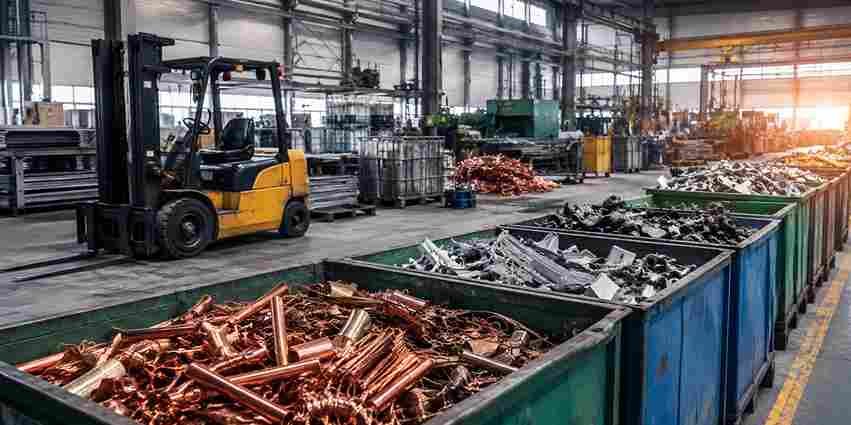
Factories are among the largest producers of recyclable materials in Dubai’s industrial sector. Every manufacturing facility generates scrap during production, maintenance, equipment replacement, fabrication, and renovation activities. These materials often include copper, aluminium, brass, stainless steel, iron, electrical cables, machinery, motors, batteries, structural steel, and production offcuts. Without an organised recycling system, valuable resources can accumulate inside factories, occupy production space, create safety hazards, and increase waste management challenges. This is why Factory Scrap Recycling has become an essential part of efficient industrial operations.
Factory scrap recycling is much more than simply removing unwanted materials. It is a structured process that involves identifying recyclable resources, separating different metals, storing materials safely, arranging professional collection, and ensuring they are processed using environmentally responsible recycling methods. By implementing an organised recycling programme, factories improve operational efficiency, maintain safer workplaces, reduce unnecessary waste, and contribute to Dubai’s growing circular economy. Whether you operate a metal fabrication plant, manufacturing facility, engineering workshop, food processing factory, or industrial production unit, understanding Factory Scrap Recycling helps maximise resource recovery while supporting sustainable manufacturing.
What Is Factory Scrap Recycling?
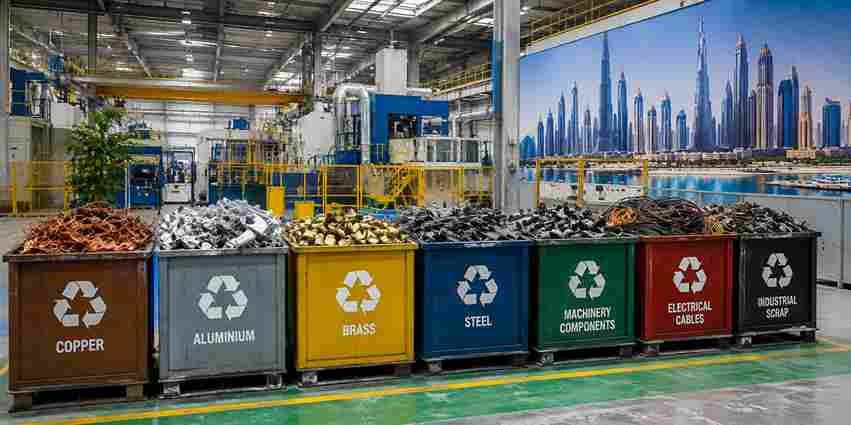
Factory Scrap Recycling is the organised process of collecting, sorting, transporting, processing, and recycling recyclable materials generated during factory operations. Manufacturing facilities produce various types of scrap every day through cutting, machining, fabrication, welding, assembly, maintenance, and equipment replacement. Rather than treating these materials as waste, professional recycling programmes recover valuable metals and return them to the manufacturing supply chain.
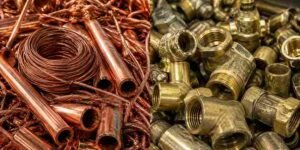
The recycling process begins inside the factory where recyclable materials are identified and separated according to their type. Copper wiring, aluminium profiles, brass fittings, stainless steel sheets, steel offcuts, machinery parts, batteries, and electrical components are stored in designated areas until professional collection takes place. After inspection and digital weighing, these materials are transported to licensed recycling facilities where they are processed into reusable raw materials for future industrial production.
An organised recycling programme helps factories maintain cleaner production areas while reducing unnecessary waste and improving resource efficiency throughout daily operations.
Why Factory Scrap Recycling Is Important
Modern factories generate recyclable materials continuously throughout the production cycle. Production offcuts, damaged components, obsolete machinery, electrical wiring, steel structures, and worn industrial equipment often accumulate quickly if they are not removed regularly. These materials occupy valuable production space and may interfere with efficient workflow management.
Implementing a professional Factory Scrap Recycling programme helps factories maintain organised work areas while ensuring recyclable resources are recovered instead of becoming landfill waste. Regular scrap collection improves housekeeping standards, simplifies material handling, and creates a safer working environment for employees. Recycling also supports responsible resource management by allowing valuable metals to be reused in future manufacturing processes rather than relying entirely on newly extracted raw materials.
Common Types of Factory Scrap That Can Be Recycled
Factories produce a wide range of recyclable materials during manufacturing and maintenance operations. Understanding these materials helps businesses develop more effective recycling programmes while improving operational efficiency.
Common recyclable factory scrap includes:
- Copper scrap
- Aluminium scrap
- Brass scrap
- Stainless steel scrap
- Iron and steel scrap
- Electrical cables
- Electric motors
- Industrial machinery
- Production offcuts
- Structural steel
- Industrial batteries
- Motor Scrap
- Electrical panels
- Conveyor systems
- HVAC equipment
- Pipes and fittings
- Warehouse shelving
- Construction Scrap
Each material requires specialised handling and recycling procedures. Proper segregation allows professional recycling companies to inspect, classify, and process materials more efficiently while supporting responsible resource recovery.
Benefits of Factory Scrap Recycling
An effective Factory Scrap Recycling programme provides numerous operational and environmental benefits. One of the biggest advantages is improved production efficiency. Removing accumulated scrap frees valuable workspace, allowing factories to optimise production areas, improve inventory management, and maintain smoother manufacturing operations.
Factory recycling also improves workplace safety by reducing clutter, removing sharp metal offcuts, and preventing recyclable materials from blocking production pathways. Cleaner production environments reduce the likelihood of workplace accidents while supporting safer material handling procedures.
Another significant benefit is environmental sustainability. Recycling copper, aluminium, brass, stainless steel, iron, and other industrial metals conserves natural resources by reducing the need for new raw material extraction. Recycled metals require significantly less energy to process than newly mined materials, helping reduce industrial energy consumption and supporting environmentally responsible manufacturing.
Factory Scrap Recycling Process
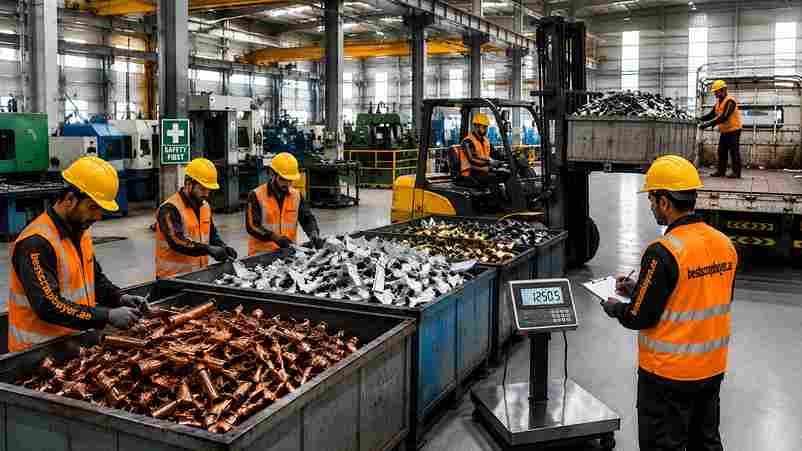
A successful Factory Scrap Recycling programme follows a structured process that ensures recyclable materials are handled safely and efficiently from the moment they are generated until they are returned to the manufacturing cycle. The process begins inside the factory where employees identify recyclable materials during production, maintenance, equipment replacement, fabrication, or renovation work. Instead of mixing everything together, materials such as copper, aluminium, brass, stainless steel, iron, machinery components, electrical cables, batteries, and structural steel are separated into designated storage areas.
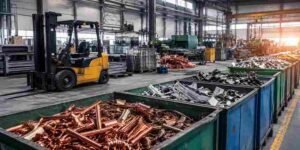
Once sufficient quantities have accumulated, professional scrap buyers inspect each material individually before collection. Different metals require different recycling methods, so proper classification is essential for efficient processing. After inspection, recyclable materials are digitally weighed using calibrated equipment, loaded with forklifts or cranes where necessary, and transported to licensed recycling facilities. There, the materials are cleaned, processed, and prepared for reuse in manufacturing, helping reduce waste while conserving valuable natural resources.
Environmental Benefits of Factory Scrap Recycling
One of the most significant advantages of Factory Scrap Recycling is its positive environmental impact. Factories consume large amounts of raw materials every year, and recycling helps reduce the need for continuous mining of new resources. Metals such as copper, aluminium, steel, stainless steel, and brass can be recycled repeatedly without losing their essential properties, making them ideal for sustainable manufacturing.
Recycling also reduces landfill waste by ensuring valuable materials are recovered instead of discarded. Producing new metals from recycled materials requires considerably less energy than processing raw ore, helping lower industrial energy consumption and reduce greenhouse gas emissions. By implementing organised recycling programmes, factories actively support Dubai’s sustainability goals while contributing to a cleaner and more resource-efficient industrial sector.
Industries That Benefit from Factory Scrap Recycling
Almost every manufacturing sector benefits from professional Factory Scrap Recycling. Metal fabrication companies recycle steel offcuts, aluminium sheets, copper wiring, and stainless steel components produced during cutting and welding operations. Engineering workshops recover machinery parts, electric motors, industrial tools, and fabrication waste, while automotive manufacturers recycle vehicle components, production scrap, and damaged equipment.
Food processing plants, pharmaceutical manufacturers, plastic factories, textile mills, packaging companies, cable manufacturers, HVAC production facilities, and construction material manufacturers also generate recyclable metals through maintenance and production activities. Regardless of the industry, organised recycling improves operational efficiency, reduces waste accumulation, and supports environmentally responsible manufacturing.
Best Practices for Factory Scrap Recycling
An effective Factory Scrap Recycling programme begins with proper planning. Factories should establish dedicated recycling zones where different materials can be stored separately. Clearly labelled containers for copper, aluminium, brass, stainless steel, iron, batteries, electrical cables, and machinery simplify daily waste management while reducing contamination between materials.
Employee training is equally important. Workers should understand how to identify recyclable materials, follow safe handling procedures, and place scrap in the correct containers. Regular inspections help ensure storage areas remain organised and prevent recyclable materials from interfering with production activities. Scheduling routine scrap collection also prevents excessive accumulation and keeps manufacturing areas clean and productive.
Maintaining records of recyclable materials generated each month allows businesses to monitor waste trends, improve recycling performance, and optimise future collection schedules. A structured management system supports long-term operational efficiency while encouraging continuous improvement in environmental performance.
Common Factory Scrap Recycling Mistakes to Avoid
Many factories unintentionally reduce the effectiveness of their recycling programmes by making avoidable mistakes. One of the most common issues is mixing different recyclable materials together. Copper, aluminium, brass, steel, batteries, machinery, and electrical cables should always be stored separately because each material follows a different recycling process. Proper segregation improves inspection, transportation, and material recovery.
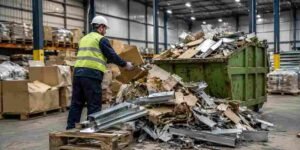
Another common mistake is delaying scrap collection for long periods. Accumulated metal offcuts, obsolete machinery, damaged equipment, and discarded production materials occupy valuable floor space and may create safety hazards for employees. Storing recyclable materials outdoors without adequate protection can also expose them to moisture, dirt, and contamination, making handling more difficult. Working with experienced recycling professionals and following a regular collection schedule helps factories maintain organised operations while maximising the benefits of Factory Scrap Recycling.
Factory Scrap Recycling Best Practices
| Best Practice | Why It Matters | Business Benefit |
|---|---|---|
| Separate Scrap by Material Type | Prevents contamination and improves recycling efficiency. | Faster processing and better resource recovery. |
| Use Designated Storage Areas | Keeps recyclable materials organised and protected. | Improves workplace safety and saves space. |
| Schedule Regular Scrap Collection | Prevents excessive scrap accumulation. | Maintains smooth factory operations. |
| Train Factory Employees | Ensures proper handling and segregation. | Reduces workplace accidents and handling errors. |
| Inspect Scrap Regularly | Identifies recyclable materials before they accumulate. | Improves organisation and collection planning. |
| Partner with Professional Scrap Buyers | Ensures responsible recycling and transparent handling. | Reliable collection and environmentally responsible recycling. |
Frequently Asked Questions
1. What is Factory Scrap Recycling?
Factory Scrap Recycling is the organised process of collecting, sorting, transporting, and recycling scrap materials generated during manufacturing, fabrication, maintenance, and industrial production. It helps recover valuable materials while reducing waste and supporting sustainable manufacturing.
2. What types of factory scrap can be recycled?
Factories commonly recycle copper, aluminium, brass, stainless steel, iron, structural steel, electrical cables, electric motors, transformers, machinery, industrial batteries, production offcuts, HVAC equipment, pipes, valves, and fabrication waste.
3. Why is Factory Scrap Recycling important?
Factory Scrap Recycling improves workplace safety, reduces industrial waste, frees valuable production space, conserves natural resources, and supports environmentally responsible manufacturing. It also helps businesses maintain cleaner and more organised production facilities.
4. How often should factories arrange scrap collection?
The collection schedule depends on production volume and the quantity of recyclable materials generated. Most factories benefit from scheduled weekly or monthly collections, while high-production manufacturing facilities may require more frequent pickups.
5. Which industries benefit from Factory Scrap Recycling?
Metal fabrication plants, engineering workshops, automotive manufacturers, food processing factories, pharmaceutical companies, packaging manufacturers, textile mills, plastic factories, construction material manufacturers, and industrial production facilities all benefit from professional Factory Scrap Recycling services.
Conclusion
Implementing an effective Factory Scrap Recycling programme helps manufacturing facilities improve productivity, maintain cleaner workplaces, and support environmentally responsible operations. By separating recyclable materials, storing them safely, scheduling regular collections, and partnering with experienced recycling professionals, factories can recover valuable resources while reducing waste and improving operational efficiency.
Recycling copper, aluminium, brass, stainless steel, iron, machinery, electrical cables, industrial batteries, and production offcuts not only conserves natural resources but also supports Dubai’s vision for a sustainable industrial future. A structured recycling system creates safer workplaces, maximises available production space, and contributes to a stronger circular economy.
Our factory recycling solutions include Copper Scrap Buying, Aluminium Scrap Buying, Brass Scrap Buying, Iron & Steel Scrap Buying, Machinery Scrap Buying, Battery Scrap Buying, Electrical Cable Recycling, Industrial Equipment Recycling, Factory Clearance, and Complete Industrial Scrap Collection.📞 Call: +971 50 997 3816. Contact BestScrapBuyer today for a free quotation, fast factory scrap collection, and professional recycling solutions tailored to your manufacturing facility anywhere in Dubai.