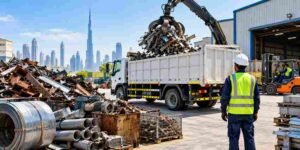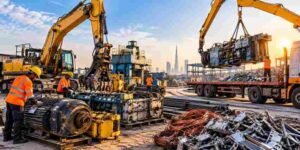

Industrial facilities generate large quantities of recyclable materials during manufacturing, maintenance, machinery replacement, construction, and daily operations. Factories, warehouses, workshops, and commercial businesses often accumulate copper cables, aluminium components, steel structures, outdated machinery, electrical equipment, and other unwanted materials that require proper handling. Industrial Scrap Collection in Dubai helps businesses manage these materials efficiently while recovering value from recyclable resources and keeping their facilities organised.
Managing industrial scrap requires more than simply removing unwanted metal. Different materials need to be identified, sorted, inspected, weighed, and transported according to their type and condition. Proper scrap management helps businesses free up valuable storage space, reduce unnecessary waste, improve workplace organisation, and support responsible recycling practices.
BestScrapBuyer provides industrial scrap buying and collection services across Dubai for factories, warehouses, manufacturing plants, construction companies, and commercial facilities. From bulk metal scrap and electrical cables to heavy machinery and obsolete industrial equipment, businesses can arrange professional collection and obtain quotations based on material type, quantity, condition, and prevailing market rates.
What Is Industrial Scrap Collection?
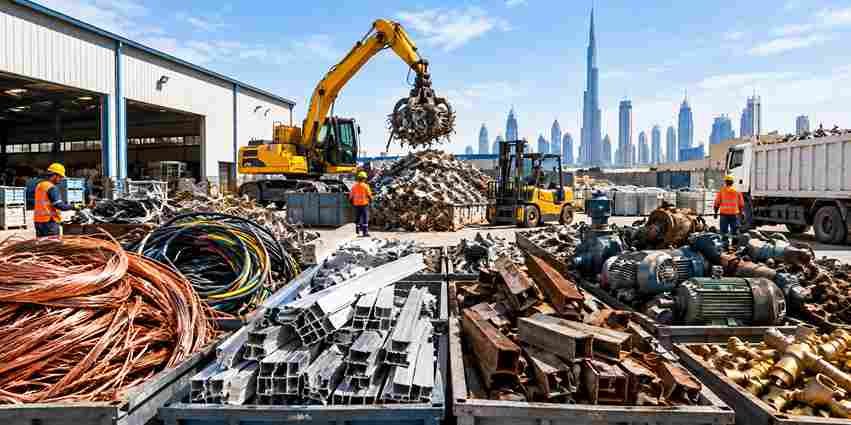
Industrial scrap collection is the process of gathering, sorting, removing, and transporting unwanted recyclable materials from factories, warehouses, manufacturing plants, workshops, and other industrial properties. These materials are generated through production activities, equipment maintenance, facility upgrades, machinery replacement, and industrial operations. Instead of allowing valuable resources to accumulate or become mixed with general waste, businesses can arrange organised collection for recovery and recycling.
Professional industrial scrap buyers assess the material’s type, quality, quantity, and condition before providing a quotation. Depending on the requirements, the collection process may involve manual sorting, mechanical handling, weighing, loading, and transportation. Larger projects can include the removal of heavy machinery, metal structures, electrical equipment, and bulk industrial materials.
For businesses operating in Dubai, an organised collection process can simplify industrial waste management while helping recover recyclable metals. It also enables companies to maintain cleaner working environments and make better use of available factory and warehouse space.
Types of Industrial Scrap We Collect in Dubai

Industrial facilities produce different types of scrap depending on their operations, machinery, production processes, and maintenance requirements. Separating these materials before collection helps improve inspection accuracy, material recovery, and recycling efficiency. The most common recyclable materials include non-ferrous metals, ferrous metals, electrical components, machinery, and other industrial recyclables.
Copper and Electrical Cable Scrap
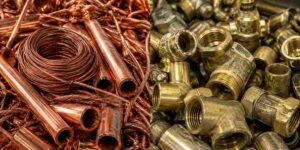
Copper is one of the most valuable recyclable metals commonly recovered from industrial facilities because of its excellent electrical conductivity and wide range of applications. Factories and warehouses may generate copper scrap through electrical system upgrades, machinery replacement, equipment maintenance, and the removal of obsolete wiring.
Common examples include bare bright copper wire, insulated copper cables, copper pipes, busbars, electrical windings, transformers, and motor components. Electrical cables may require further inspection to determine their copper content, insulation type, and recoverable value.
Aluminium, Brass, and Metal Scrap
Aluminium scrap is commonly generated from industrial profiles, sheets, machine components, frames, fabrication waste, and electrical equipment. It is lightweight, corrosion-resistant, and highly recyclable, making it an important material in manufacturing and construction.
Brass scrap is often recovered from industrial valves, plumbing fittings, connectors, bearings, and specialised machine components. Steel and iron scrap can include metal frames, pipes, structural beams, production equipment, fabrication offcuts, and damaged industrial parts. These materials are sorted according to their grades and composition before being sent for suitable recycling processes.
Machinery, Motors, and Industrial Equipment
Factories frequently replace outdated machinery to improve production capacity, operational efficiency, or equipment reliability. Unwanted assets may include generators, compressors, electric motors, hydraulic systems, industrial pumps, conveyors, transformers, and manufacturing equipment.
Some machinery may retain resale or component-recovery value, while damaged or obsolete equipment may be suitable for dismantling and metal recycling. Assessing each asset before disposal helps businesses avoid losing value from reusable components.
Batteries, AC Units, and Other Recyclables
Industrial facilities may also accumulate lead-acid batteries, air conditioning units, cooling equipment, and other recyclable materials. Batteries require appropriate handling and separation because they may contain hazardous substances. Air conditioning units can contain copper, aluminium, steel, electrical components, and refrigerants that require proper recovery procedures.
The collection and recycling method should always be suitable for the specific material and its associated safety requirements.
Industrial Scrap Collection Process

An organised industrial scrap collection process helps businesses remove unwanted materials without unnecessary delays or disruption to daily operations. The process generally begins with identifying the materials, assessing their condition, estimating their quantity, and arranging suitable collection equipment. For large industrial projects, an initial site inspection can help determine the labour, loading arrangements, and transportation requirements.
1. Site Inspection and Material Assessment
The first step is to identify the types of scrap available at the factory or warehouse. A professional scrap buyer assesses copper, aluminium, brass, steel, machinery, electrical cables, and other recyclable materials to determine their quality, quantity, and recovery potential.
During an inspection, the collection team may also review material accessibility, storage arrangements, loading areas, and any special handling requirements. This helps establish a practical collection plan based on the size and complexity of the project.
2. Sorting and Material Segregation
After the initial assessment, scrap materials should be separated into suitable categories. Copper, aluminium, brass, iron, steel, batteries, and electrical components have different material compositions and recycling requirements. Mixing these materials can complicate inspection, increase processing time, and affect the accuracy of their valuation.
Where possible, factories should maintain separate storage areas for different scrap types. Professional collection teams can also assist with sorting and segregation when the material is mixed or stored in bulk.
3. Weighing and Scrap Valuation
Once the material has been inspected and classified, its quantity and condition are assessed to establish a quotation. Scrap prices can vary according to metal grade, purity, contamination, recoverable weight, market conditions, and the costs associated with handling and transportation.
Transparent weighing and clear quotation terms help businesses understand how their scrap is valued. For larger industrial collections, maintaining weight records and material breakdowns can also support internal inventory and disposal documentation.
4. Loading, Transportation, and Recycling
After the quotation and collection arrangements have been agreed upon, the materials are prepared for removal. Depending on their weight and size, loading may involve forklifts, cranes, lifting equipment, or manual handling by trained workers.
The scrap is then transported using suitable vehicles to appropriate recycling facilities. At these facilities, materials undergo further sorting, processing, dismantling, or refining so that reusable metals and other resources can be recovered for manufacturing.
Industries That Require Industrial Scrap Collection in Dubai

Industrial scrap is generated across a wide range of sectors, and each industry has its own material handling and collection requirements. Regular removal helps businesses manage accumulated waste, maintain accessible work areas, and recover recyclable resources from unused equipment and production materials.
Manufacturing and Production Facilities
Manufacturing plants generate scrap through fabrication, machining, equipment maintenance, product assembly, and production line upgrades. Common materials include metal offcuts, steel sheets, copper wiring, aluminium profiles, damaged machine components, and obsolete electrical equipment.
Regular scrap collection helps manufacturing businesses keep production areas organised and prevent recyclable materials from occupying valuable operational space.
Warehouses and Logistics Facilities
Warehouses and logistics centres may accumulate steel shelving, damaged pallets with metal components, packaging-related metal waste, old handling equipment, unused machinery, and obsolete electrical systems. During warehouse relocation, refurbishment, or inventory clearance, these materials can build up in significant quantities.
Organised warehouse scrap disposal allows businesses to clear storage areas, improve access to loading zones, and recover value from suitable recyclable materials.
Construction and Engineering Companies
Construction and engineering projects generate scrap through demolition, structural fabrication, equipment replacement, and site clearance. Materials can include steel beams, reinforcement bars, copper cables, aluminium frames, metal pipes, and damaged machinery components.
Planned collection helps contractors separate recyclable materials from general construction waste and arrange suitable transportation for heavy or bulky items.
Workshops and Maintenance Facilities
Industrial workshops regularly replace worn-out motors, pumps, electrical components, machine parts, and metal fittings. These materials may contain recoverable copper, aluminium, brass, iron, and steel.
Separating reusable components from recyclable scrap can improve resource recovery and help workshops maintain more organised storage and maintenance areas.
Benefits of Professional Industrial Scrap Collection
Professional industrial scrap collection offers operational, financial, and environmental benefits when materials are managed correctly. Rather than allowing unused equipment and recyclable waste to accumulate, businesses can establish a structured collection process that supports more efficient facility management.
Recover Value from Unwanted Materials
Industrial scrap often contains valuable metals such as copper, aluminium, brass, and steel. Selling suitable materials to professional scrap buyers allows businesses to recover part of their value instead of treating all unwanted equipment as general waste.
Free Up Valuable Storage Space
Accumulated scrap can occupy production areas, warehouse floors, loading bays, and maintenance spaces. Regular collection helps businesses clear these areas and use available space more effectively.
Support Environmental Sustainability
Recycling suitable industrial materials reduces the amount of recyclable waste sent for disposal and helps conserve natural resources. Recovering metals can also reduce the demand for newly extracted raw materials.
Improve Workplace Organisation
Removing unnecessary metal, obsolete machinery, and unused equipment can improve access to work areas and reduce clutter-related hazards. Proper storage and scheduled removal also make material handling easier.
Simplify Large-Scale Scrap Removal
Coordinated collection services help businesses manage bulk materials, heavy equipment, and multiple scrap categories through planned inspections, loading, and transportation.
Factors That Affect Industrial Scrap Collection and Pricing
The value and logistics of industrial scrap collection depend on several factors, including material quality, total quantity, accessibility, and the equipment required for removal. Understanding these factors helps businesses prepare materials properly and receive more accurate quotations.
| Factor | How It Affects Collection and Value |
|---|---|
| Material type | Copper, aluminium, brass, steel, and machinery have different recycling values. |
| Material purity | Clean, correctly identified materials are easier to grade and process. |
| Scrap quantity | Bulk quantities may affect collection planning and commercial quotations. |
| Contamination | Oil, plastic, rubber, and other contaminants can increase processing costs. |
| Equipment condition | Functional machinery may have resale value beyond its scrap materials. |
| Site accessibility | Restricted access may require additional labour or specialised equipment. |
| Loading requirements | Heavy or oversized materials may require forklifts, cranes, or other machinery. |
| Market conditions | Changes in metal demand and commodity prices can affect scrap quotations. |
How to Prepare Industrial Scrap Before Collection
Preparing scrap before collection can make the removal process more efficient and simplify material inspection. Factories and warehouses should identify their recyclable materials and separate different metal types wherever practical. Copper cables, aluminium profiles, brass fittings, and steel components should ideally be stored independently to avoid unnecessary mixing and improve grading accuracy.
Businesses should also estimate the approximate quantity of scrap and identify any oversized or unusually heavy equipment. Providing photographs and information about the material’s location can help the collection team plan suitable vehicles, labour, and loading equipment. This is particularly useful for facilities with limited access, multiple storage areas, or large volumes of accumulated scrap.
Damaged batteries, machinery containing oils, and equipment with electrical or pressurised systems require additional precautions. These items should be identified in advance and handled according to appropriate safety and environmental procedures. Businesses should not attempt to dismantle hazardous equipment without trained personnel and suitable arrangements.
Safety and Environmental Considerations
Industrial scrap collection involves heavy materials, machinery, sharp metal edges, electrical components, and sometimes hazardous substances. Factories and warehouses should establish safe collection areas and ensure that workers involved in loading, dismantling, and transportation have appropriate training and protective equipment.
Before removing industrial machinery, electrical supplies should be isolated, stored energy should be addressed, and relevant fluids should be handled appropriately. Batteries, refrigerants, oils, and other potentially hazardous materials must not be mixed with ordinary metal scrap. Businesses should arrange appropriate handling and processing in line with applicable Dubai and UAE requirements.
Responsible recycling also requires materials to be directed to suitable processing facilities. Maintaining collection records, weight details, and relevant disposal documentation can help businesses track their materials and demonstrate responsible waste management practices.
How to Choose an Industrial Scrap Collection Company in Dubai
Selecting a suitable scrap collection company is an important part of managing industrial materials. Businesses should look for buyers with relevant experience handling their specific scrap categories, especially when dealing with bulk metal, heavy machinery, electrical equipment, or mixed industrial materials.
A professional buyer should be able to explain how materials are inspected, graded, weighed, and valued. Businesses should request clear quotations that outline collection arrangements, loading responsibilities, transportation, and any additional charges. Transparent communication helps avoid misunderstandings and makes it easier to compare different offers.
It is also useful to confirm that the collection and recycling arrangements are appropriate for the materials involved. For large industrial projects, businesses may benefit from a planned site inspection, a clear collection schedule, and documentation of the materials removed.
BestScrapBuyer provides industrial scrap buying and collection services across Dubai for factories, warehouses, workshops, and commercial facilities, with quotations based on the materials and collection requirements.
Frequently Asked Questions
1. What materials are accepted for industrial scrap collection in Dubai?
Industrial scrap collection may include copper, aluminium, brass, iron, steel, electrical cables, batteries, electric motors, air conditioning units, machinery, and other recyclable industrial materials. Accepted materials depend on their condition, composition, quantity, and handling requirements.
2. Do industrial scrap buyers collect bulk scrap from factories?
Industrial scrap buyers may arrange bulk collection from factories and manufacturing plants, depending on the volume, material types, site accessibility, and loading requirements. A site inspection or material assessment can help establish suitable collection arrangements and quotations.
3. How is industrial scrap valued in Dubai?
Industrial scrap is generally valued according to its material type, grade, purity, weight, contamination, and current market conditions. The costs of loading, dismantling, and transportation may also influence the final quotation, particularly for heavy or mixed industrial materials.
4. Can industrial scrap buyers collect old machinery and equipment?
Some industrial scrap buyers accept old machinery, generators, compressors, electric motors, transformers, and other obsolete equipment. Operational machinery may be suitable for resale, while damaged or outdated equipment may be assessed for component recovery and metal recycling.
5. How can factories prepare scrap for collection?
Factories can prepare by separating different metal types, removing accessible non-metal contaminants where safe, estimating the quantity, and identifying heavy or hazardous items. Providing photographs and arranging clear access to the collection area can also help the removal team plan effectively.
6. Why is regular industrial scrap collection important?
Regular collection helps businesses prevent scrap accumulation, recover value from recyclable materials, maintain organised workspaces, and reduce unnecessary storage requirements. It also supports responsible resource recovery and helps factories manage recyclable waste more systematically.
Conclusion
Industrial Scrap Collection in Dubai helps factories, warehouses, and manufacturing businesses manage unwanted materials while recovering value through recycling. Choosing the best scrap buyer in Dubai ensures reliable collection, transparent weighing, and competitive market-based prices. Professional scrap services also help businesses maintain clean, organised, and productive facilities.
Contact BestScrapBuyer for industrial scrap collection, machinery removal, and competitive quotations across Dubai.📞 Call: +971 50 997 3816