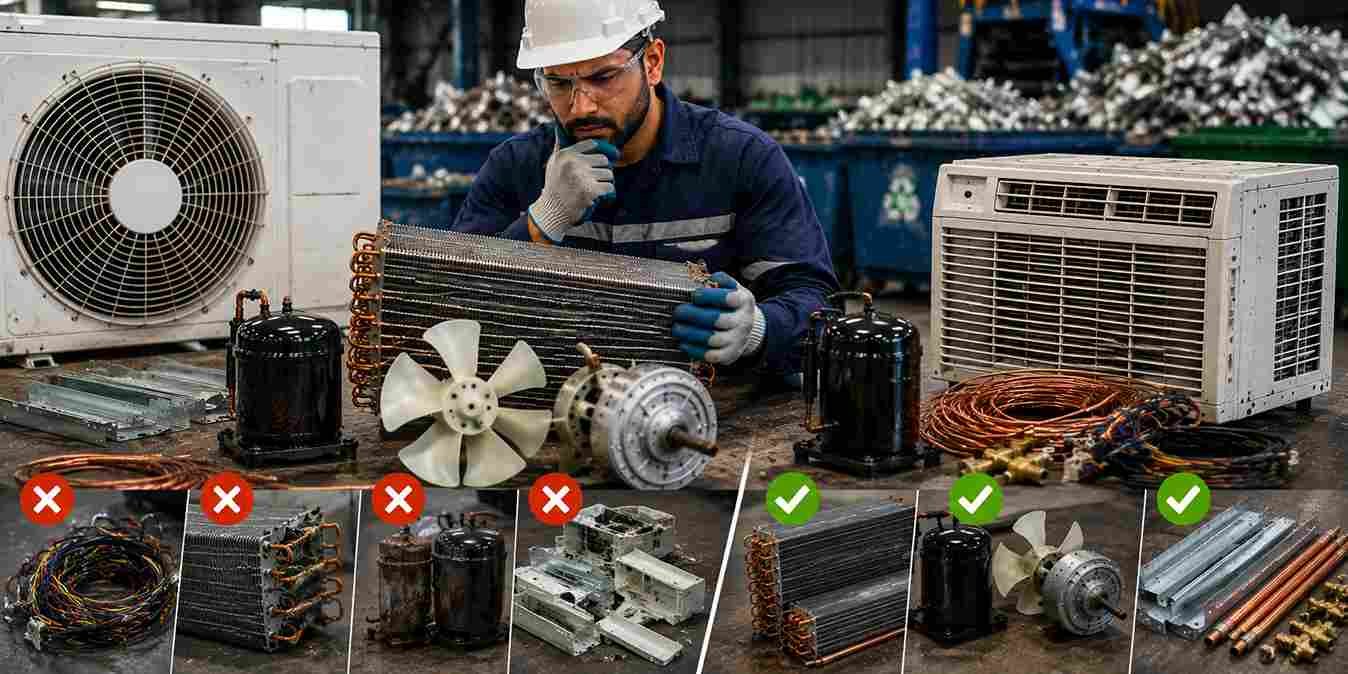
Many homeowners, contractors, businesses, and facility managers replace old air conditioners every year without realizing that simple mistakes can significantly reduce the value of their recyclable equipment. Understanding the Common Mistakes When Selling AC Scrap helps sellers protect valuable components, prepare their units correctly, and receive a fair market price. Even a high-quality air conditioner may be valued lower if important recyclable materials are damaged, contaminated, or handled improperly before inspection.
Air conditioners contain valuable metals such as copper, aluminium, steel, brass, and electric motors that can be recovered and reused through professional recycling. However, the final value depends not only on the quantity of these materials but also on their condition and how they are presented to the recycler. By avoiding common selling mistakes and working with experienced recycling professionals, sellers can maximize their returns while supporting environmentally responsible recycling practices throughout Dubai.
In this guide, you will learn the most common mistakes people make when selling air conditioner scrap, why these mistakes affect the final valuation, and the practical steps you can take to avoid them before arranging collection.
Why Small Mistakes Can Reduce Your AC Scrap Value
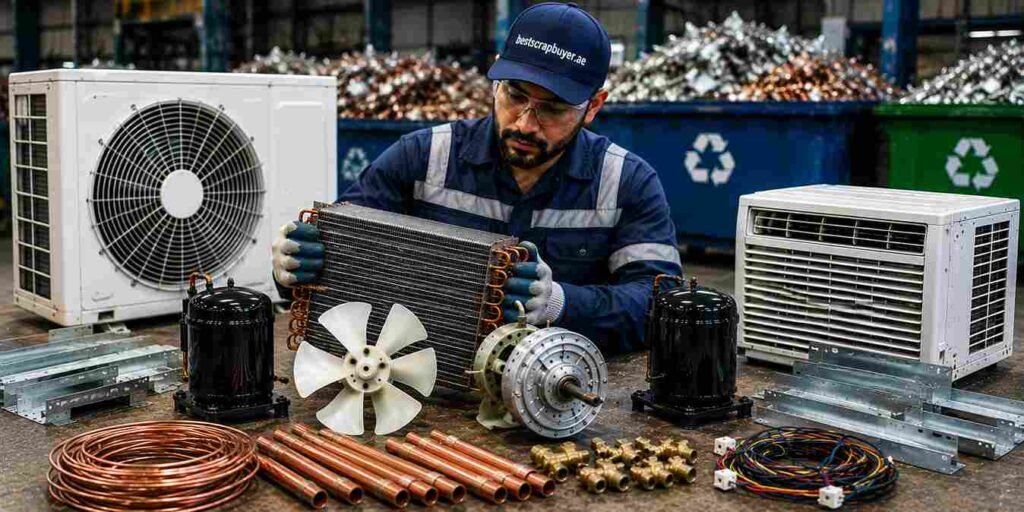
Many people believe that every old air conditioner is worth the same amount regardless of its condition. In reality, professional recycling companies inspect every recyclable component separately before preparing a quotation. Copper coils, compressors, aluminium condensers, steel frames, electrical wiring, and brass fittings are all evaluated based on quality, weight, and recoverable material. Even small mistakes during storage or removal can reduce the overall recycling value.
Understanding how recyclers inspect equipment allows sellers to prepare their air conditioners properly before collection. Keeping valuable components intact, preventing contamination, and avoiding unnecessary damage all contribute to a smoother inspection process and a more accurate valuation.
How Professional Recyclers Assess AC Scrap
Professional recyclers do much more than simply weigh an old air conditioner. Each unit is carefully dismantled so that valuable metals can be separated according to their type and quality. Copper, aluminium, steel, brass, compressors, motors, and electrical wiring are inspected individually because each material has a different recycling value and market demand.
Experienced recycling companies also evaluate whether the components remain complete, clean, and suitable for efficient material recovery. Proper grading ensures sellers receive a quotation based on the actual recyclable value rather than a general estimate.
Why Proper Preparation Makes a Difference
Preparing an air conditioner correctly before selling helps preserve valuable materials and makes inspection easier for the recycler. Simple actions such as protecting the unit from weather damage, keeping all components together, and avoiding unnecessary dismantling help maintain the quality of recyclable metals.
Well-prepared equipment also reduces processing time, allowing recycling companies to recover materials more efficiently. As a result, sellers often receive more competitive quotations because the recycler spends less time sorting and cleaning the equipment.
8 Common Mistakes When Selling AC Scrap
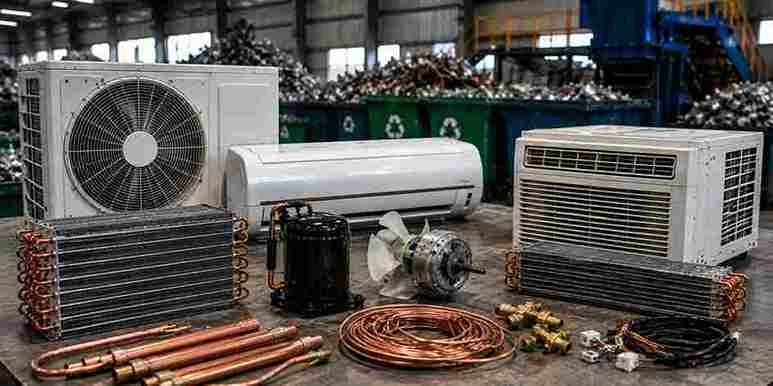
Selling Without Comparing Multiple Quotations
One of the most common mistakes sellers make is accepting the first quotation they receive without exploring other options. Although accepting the first offer may seem convenient, recycling prices often vary depending on how different companies assess the equipment and current market conditions. Taking time to compare quotations helps sellers understand the approximate value of their air conditioner before making a final decision.
Choosing the right company is not only about obtaining the highest price. Reliable recyclers also provide transparent weighing procedures, explain how recyclable materials are graded, and ensure environmentally responsible handling of refrigerants and electronic components. Comparing both pricing and service quality leads to a better overall recycling experience.
Damaging Copper Coils During Removal
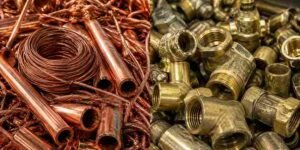
Copper coils are among the most valuable components inside any air conditioner, yet many people accidentally damage them while removing or transporting old equipment. Excessive cutting, crushing, bending, or striking the coils can make them more difficult to recycle and reduce the efficiency of material recovery. Since copper contributes significantly to the overall recycling value, protecting these components is extremely important.
Whenever possible, air conditioners should remain intact until they are inspected by professional recyclers. Experienced technicians use appropriate tools to dismantle equipment safely while preserving valuable copper tubing, condenser coils, and evaporator coils. Careful handling allows recycling facilities to recover cleaner copper with minimal additional processing.
Mixing AC Scrap With Other Metal Waste
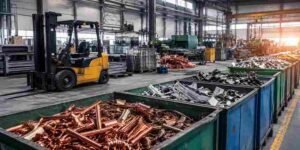
Another mistake many sellers make is mixing air conditioner scrap with general construction waste or other types of metal scrap before collection. When different metals are combined together, professional recyclers must spend additional time separating copper, aluminium, steel, brass, wiring, and electronic components. This extra processing can reduce efficiency and complicate the grading process.
Keeping air conditioners separate from unrelated scrap materials allows inspectors to evaluate the equipment more accurately. Organized recycling also helps valuable components remain undamaged during transportation while making the inspection process faster and more transparent.
Ignoring the Current Scrap Metal Market
Many sellers assume that air conditioner scrap prices remain the same throughout the year, but the recycling market changes regularly. Copper, aluminium, brass, and steel prices fluctuate based on international supply, manufacturing demand, and commodity markets. Selling without checking current market conditions may result in unrealistic expectations or accepting a quotation without understanding how market trends influence pricing.
Before arranging collection, it is helpful to have a basic understanding of current metal prices and discuss them with your recycling company. Professional recyclers monitor market changes closely and can explain how current conditions affect the value of your air conditioner scrap. This knowledge helps sellers make informed decisions while improving confidence during the selling process.
Choosing an Inexperienced Scrap Buyer
Choosing the wrong buyer is one of the biggest mistakes that can reduce the value of your air conditioner scrap. Some sellers focus only on convenience without checking whether the company has experience in handling air conditioning equipment. Since an AC contains several valuable materials such as copper coils, compressors, aluminium condensers, brass fittings, and electrical components, proper inspection is essential for an accurate valuation.
Working with an experienced scrap buyers in Dubai gives you greater confidence that every recyclable component will be identified and valued correctly. Professional recycling companies use transparent weighing procedures, explain how materials are graded, and follow environmentally responsible recycling practices. This ensures a fair quotation while providing a smooth and trustworthy selling experience.
Storing AC Scrap Improperly Before Collection
The way an old air conditioner is stored before collection can affect its recycling value. Leaving AC units outdoors for long periods may expose them to rain, dust, moisture, and corrosion. Although metals such as copper and aluminium remain recyclable, excessive rust and contamination can increase cleaning time and make inspection more difficult.
Whenever possible, keep the air conditioner in a dry and protected location until it is collected. Avoid stacking heavy equipment on top of the unit because this may damage valuable components such as copper coils, compressors, electrical wiring, and aluminium condensers. Proper storage helps preserve the quality of recyclable materials and supports a more efficient recycling process.
Removing Valuable Components Before Selling
Some sellers believe that removing individual parts before selling will increase the overall value of their air conditioner scrap. In reality, unnecessary dismantling often damages important components or results in valuable parts being misplaced. Compressors, copper tubing, electric motors, fan assemblies, and wiring all contribute to the total recycling value when evaluated together.
Professional recyclers have specialized tools and experience to dismantle air conditioners safely while recovering valuable materials efficiently. Selling the unit in its complete condition usually allows every recyclable component to be inspected accurately, leading to a more transparent valuation and reducing the risk of accidental material loss.
Ignoring Environmental and Safety Requirements
Air conditioners contain refrigerants that should never be released into the atmosphere during disposal. Attempting to dismantle cooling systems without proper equipment may create safety risks and contribute to environmental pollution. Responsible recycling begins with the safe recovery of refrigerants before the remaining materials are separated for recycling.
Professional recycling companies follow approved procedures to recover refrigerants and process electronic components responsibly. Choosing qualified recycling professionals protects both the environment and the recyclable value of the equipment while ensuring compliance with industry standards.
Simple Tips to Maximize Your AC Scrap Value
Preparing your air conditioner properly before collection can make the recycling process smoother and help preserve valuable materials. Although professional recyclers complete the dismantling process, a few simple steps before collection can improve the condition of your equipment and support a more accurate valuation.
Keep the air conditioner complete, avoid damaging copper coils or compressors, store the unit in a dry place, and request quotations from more than one recycling company. Understanding current market conditions and working with experienced professionals also helps ensure that recyclable materials are valued fairly and processed responsibly.
| Checklist | Why It Matters |
|---|---|
| ✔ Compare multiple quotations | Helps you understand the current market value before selling. |
| ✔ Keep the AC unit complete | Allows recyclers to inspect every valuable component accurately. |
| ✔ Protect copper coils and compressor | Prevents damage to the highest-value recyclable parts. |
| ✔ Store equipment in a dry place | Reduces corrosion and keeps recyclable materials in better condition. |
| ✔ Do not mix with other scrap | Makes inspection and grading easier for recycling professionals. |
| ✔ Choose a trusted recycling company | Ensures transparent weighing and environmentally responsible recycling. |
Frequently Asked Questions
1. Should I dismantle my air conditioner before selling it?
No. In most cases, selling the air conditioner as a complete unit allows professional recyclers to inspect and recover all valuable components safely and accurately.
2. Does a damaged compressor reduce the scrap value?
Yes. The compressor contains valuable recyclable metals, and significant damage may affect the amount of recoverable material and the overall valuation.
3. Can I sell a non-working air conditioner for recycling?
Yes. Even if an air conditioner no longer functions, it still contains recyclable copper, aluminium, steel, brass, and electrical components that retain value.
4. Why do recycling quotations sometimes differ between companies?
Companies may use different grading methods, inspection procedures, transportation services, and market pricing when preparing quotations.
5. How can I increase the value of my AC scrap?
Keep the unit complete, protect valuable components, store it properly, compare quotations, and work with an experienced recycling company.
Conclusion
Avoiding these Common Mistakes When Selling AC Scrap can make a significant difference in both the recycling process and the final value of your old air conditioner. Simple steps such as protecting valuable components, storing the equipment correctly, comparing quotations, and choosing an experienced recycling company help ensure that copper, aluminium, compressors, and other recyclable materials are recovered efficiently. Being informed before selling allows you to make better decisions while supporting responsible recycling practices.
If you are looking for a reliable Scrap Purchasing Company in Dubai, BestScrapBuyer provides professional AC scrap collection, transparent inspections, competitive market prices, and environmentally responsible recycling services across Dubai. Whether you have a single residential unit or multiple commercial air conditioners, our experienced team is ready to help.
📞 Call BestScrapBuyer today at +9710509973816 to request a free quotation and schedule your AC scrap collection anywhere in Dubai.