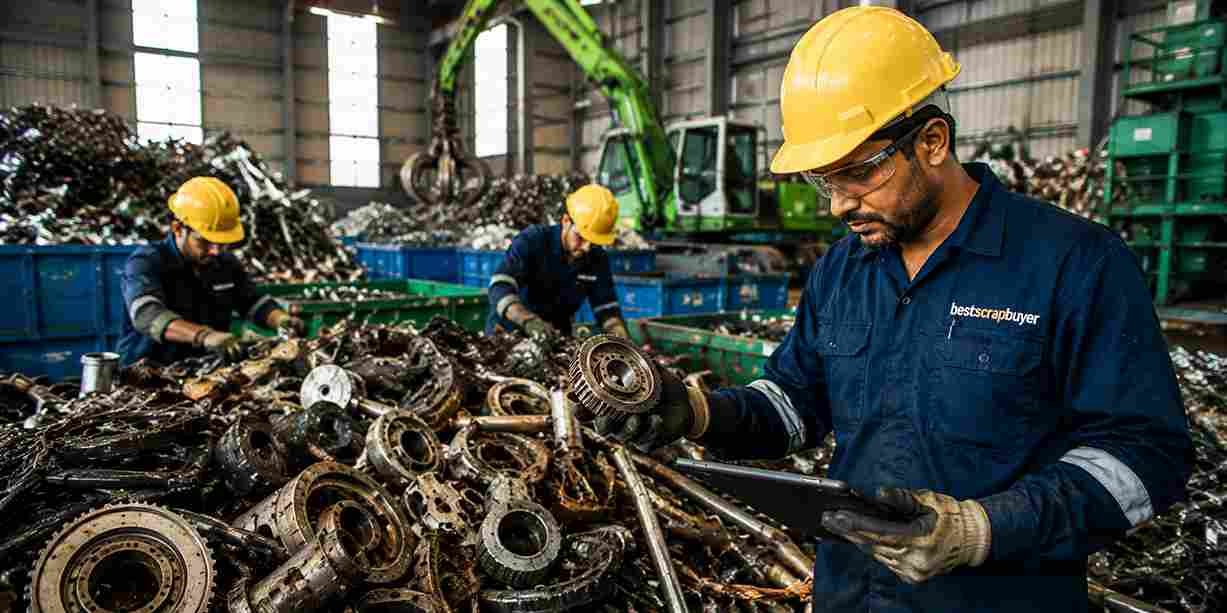
Businesses across manufacturing, construction, logistics, warehouses, commercial facilities, and industrial sectors generate significant amounts of recyclable scrap every day. Metals, plastics, machinery, electrical components, batteries, packaging materials, and other recyclable products all contain value when handled correctly. However, many companies unknowingly make mistakes that reduce scrap value, increase disposal costs, and create unnecessary operational challenges.
Understanding the Common Scrap Recycling Mistakes helps businesses improve recycling efficiency, recover higher value from recyclable materials, and support environmentally responsible waste management. Small improvements in sorting, storage, handling, and collection can significantly increase recycling performance while reducing long-term operational expenses.
Professional scrap recycling is more than simply disposing of unwanted materials. It requires proper planning, material identification, safe storage, and experienced recycling partners to maximize both financial returns and environmental benefits.
Whether your business operates in manufacturing, construction, retail, logistics, hospitality, healthcare, or industrial production, avoiding common recycling mistakes can improve resource management and support long-term sustainability goals.
Failing to Separate Different Types of Scrap Materials
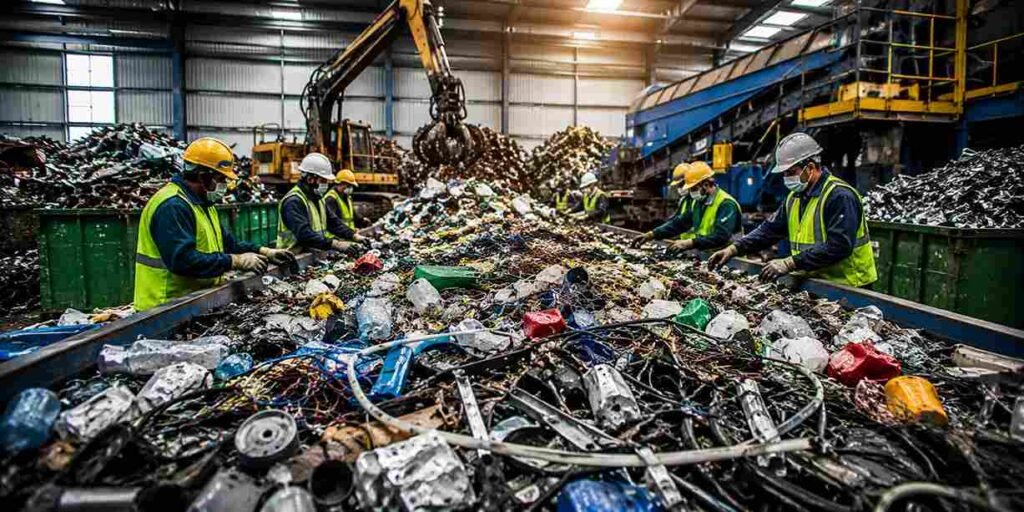
One of the most common mistakes businesses make is mixing different types of recyclable materials together. Copper, aluminum, brass, iron, steel, plastic, electronic components, cables, batteries, and machinery parts all have different recycling processes and market values.
When valuable materials become mixed with lower-value or contaminated waste, the overall scrap value often decreases. Mixed loads also require additional sorting before recycling, increasing processing time and operational costs.
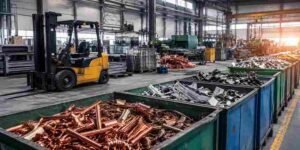
Businesses should establish a simple waste segregation system that separates recyclable materials at the source. Clearly labeled containers and employee awareness programs help improve sorting accuracy while maximizing material recovery.
Proper segregation not only improves recycling efficiency but also allows businesses to receive more accurate scrap valuations from professional recycling companies.
Poor Scrap Storage Can Reduce Recycling Value
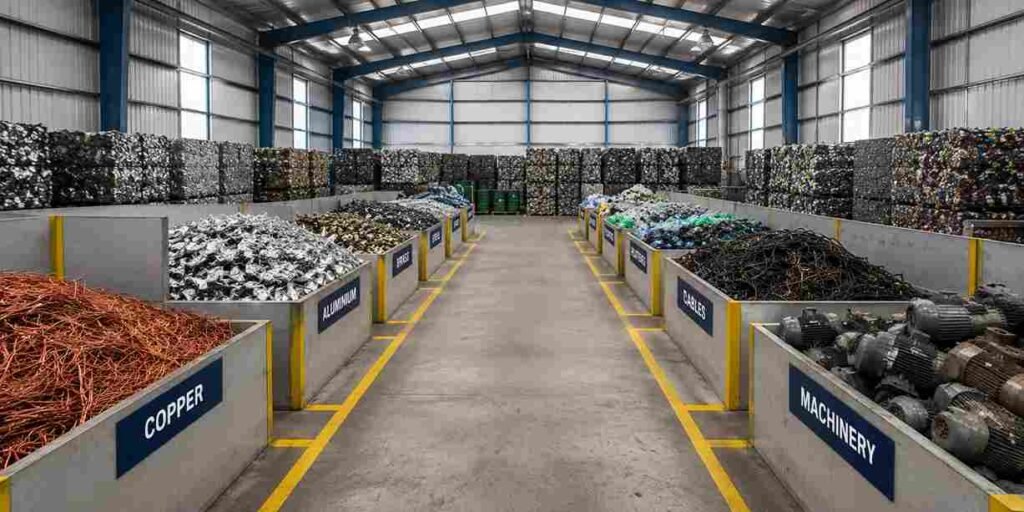
storage plays a critical role in successful recycling, yet many businesses overlook its importance. One of the most costly Common Scrap Recycling Mistakes is leaving recycProperlable materials exposed to rain, moisture, dirt, chemicals, or other contaminants before collection.
Poor storage conditions can reduce the quality of scrap materials, making them more difficult to recycle and lowering their overall market value. Rust on steel, corrosion on metals, contaminated plastics, or damaged electrical components often require additional processing before they can be recycled efficiently.
Businesses should store recyclable materials in clean, dry, and designated areas. Separating different scrap categories and protecting valuable materials from environmental damage helps preserve quality and improves recycling efficiency.
Simple storage improvements can significantly increase scrap value while reducing unnecessary handling costs and supporting safer workplace operations.
Ignoring the Value of Different Scrap Materials
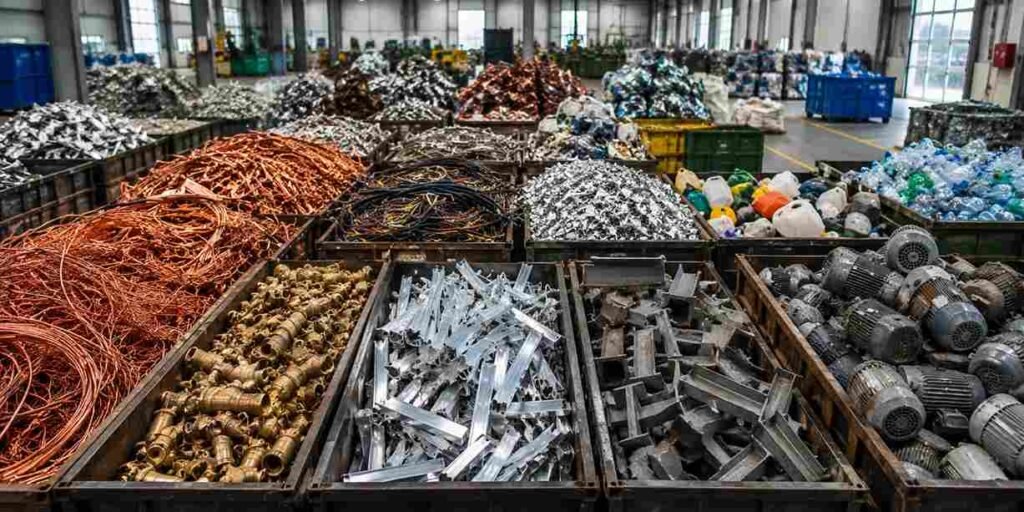
Many companies assume that all scrap materials have similar value, but this is far from accurate. Different metals and recyclable materials have different market demand, processing requirements, and recycling values. Treating all scrap as ordinary waste is one of the most expensive Common Scrap Recycling Mistakes businesses can make.
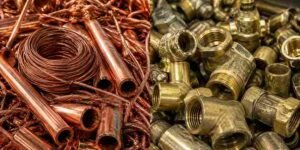
High-value materials such as copper, brass, aluminum, electric motors, stainless steel, batteries, and certain machinery components often provide much greater returns than mixed scrap. When these valuable materials are not identified and separated properly, businesses may lose opportunities to maximize their recycling income.
Regular inspections and proper material identification allow companies to understand which recyclable items hold the highest value. Working with experienced recycling professionals can also help businesses accurately assess their scrap materials and recommend the most efficient recycling approach.
Recognizing the value of different scrap materials not only improves financial returns but also encourages better recycling practices, supports resource conservation, and contributes to more sustainable waste management across commercial and industrial operations.
Choosing the Wrong Scrap Recycling Partner
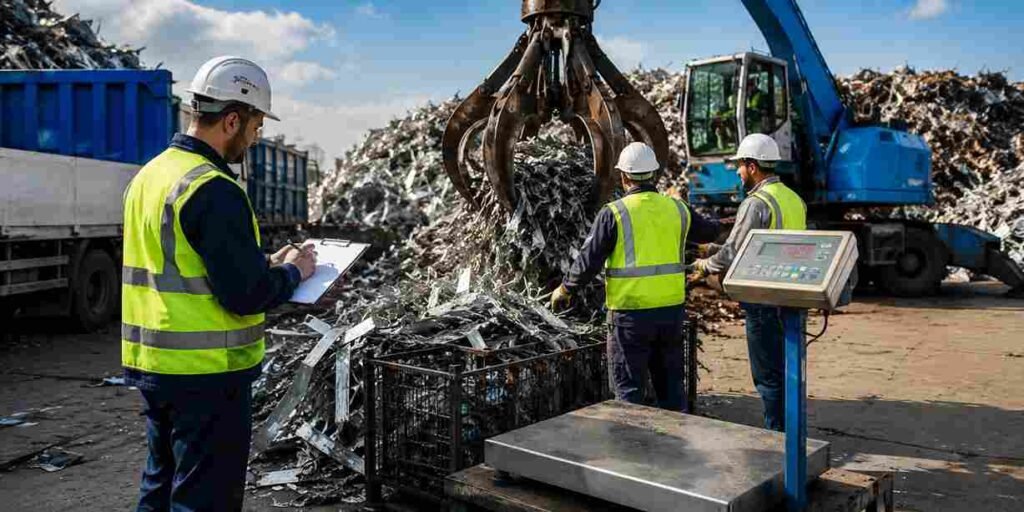
Selecting the right recycling company is one of the most important decisions businesses can make. Unfortunately, many organizations focus only on immediate collection instead of evaluating the experience, recycling practices, and professionalism of the service provider. This is one of the most overlooked Common Scrap Recycling Mistakes.
An experienced recycling company provides accurate material evaluation, transparent pricing, safe collection procedures, and environmentally responsible recycling solutions. Professional scrap buyers also use proper equipment to handle heavy machinery, metal scrap, batteries, plastics, and other industrial materials safely.
Businesses should look for recycling companies that offer reliable collection services, efficient logistics, responsible waste management, and knowledge of different recyclable materials. Working with an experienced Scrap Buyer in Dubai helps businesses improve recycling efficiency while ensuring valuable materials are processed correctly.
Building a long-term partnership with a trusted recycling company allows businesses to simplify waste management, improve operational efficiency, and maximize the value of recyclable materials.
Not Scheduling Regular Scrap Collection
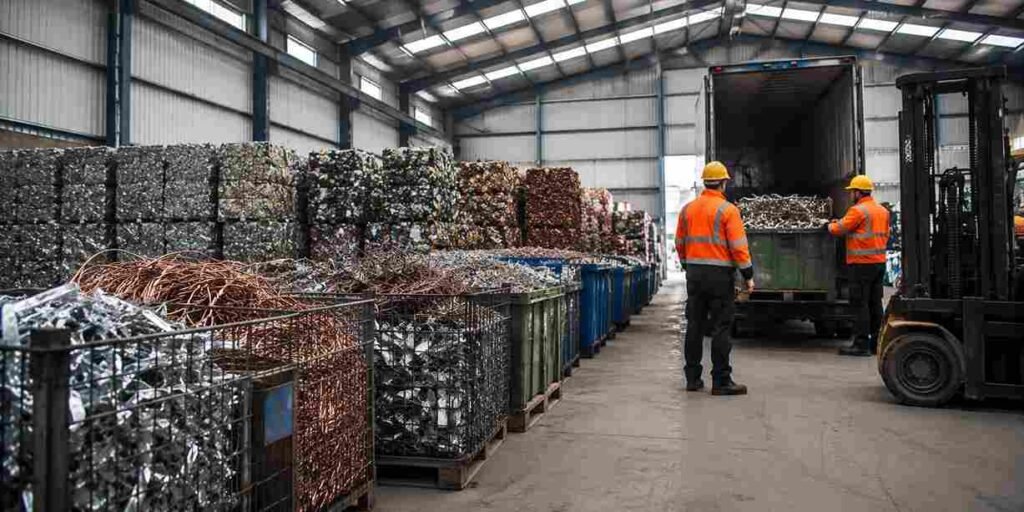
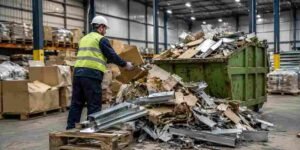
Many businesses wait until large amounts of scrap have accumulated before arranging collection. While this may seem convenient, delaying recycling often creates storage problems, safety risks, and operational inefficiencies.
Scheduling regular scrap collection helps businesses maintain cleaner facilities, improve workplace safety, and prevent recyclable materials from becoming damaged or contaminated. Frequent collection also makes it easier to organize different material types and maintain an efficient recycling process.
Manufacturing plants, construction companies, warehouses, engineering workshops, logistics facilities, and commercial businesses all benefit from planned scrap collection schedules. Regular recycling supports better inventory management, reduces clutter, and improves the overall working environment.
Professional recycling companies can develop collection schedules based on the volume and type of recyclable materials generated by each business. This proactive approach helps companies avoid unnecessary waste accumulation while improving long-term recycling performance.
Common Scrap Recycling Mistakes and Recommended Solutions
| Common Scrap Recycling Mistake | Recommended Solution |
|---|---|
| Mixing different scrap materials | Separate metals, plastics, batteries, machinery, and other recyclable materials before collection. |
| Poor scrap storage | Store recyclable materials in clean, dry, and designated areas to maintain quality. |
| Ignoring high-value materials | Identify and separate valuable materials such as copper, aluminum, brass, motors, and batteries. |
| Choosing inexperienced recycling companies | Work with experienced recycling professionals offering transparent pricing and responsible recycling. |
| Delaying scrap collection | Schedule regular scrap collection to improve safety, organization, and recycling efficiency. |
Frequently Asked Questions
Why is separating scrap materials important before recycling?
Separating scrap materials improves recycling efficiency and helps businesses recover higher value from recyclable items. Proper sorting also reduces contamination and makes the recycling process faster and more cost-effective.
How can businesses increase the value of their scrap materials?
Businesses can increase scrap value by separating different materials, storing scrap in clean and dry conditions, removing contaminants, and scheduling regular collections with professional recycling companies.
What are the biggest mistakes businesses make when recycling scrap?
Some of the most common mistakes include mixing different scrap materials, poor storage practices, ignoring high-value recyclable items, delaying scrap collection, and choosing inexperienced recycling service providers.
Why should businesses work with professional scrap recycling companies?
Professional recycling companies provide accurate material evaluation, safe collection, transparent pricing, proper waste management, and environmentally responsible recycling solutions. They also help businesses maximize the value of recyclable materials while improving operational efficiency.
How does proper scrap recycling benefit the environment?
Proper scrap recycling reduces landfill waste, conserves natural resources, lowers energy consumption, decreases greenhouse gas emissions, and supports sustainable manufacturing by returning valuable materials back into the production cycle.
Conclusion
Avoiding Common Scrap Recycling Mistakes allows businesses to improve recycling efficiency, recover higher-value materials, reduce waste management costs, and create safer working environments. Simple practices such as proper material sorting, organized storage, regular scrap collection, and working with experienced recycling professionals can significantly improve both operational performance and environmental sustainability.
Whether your business generates metal scrap, machinery, plastic waste, batteries, electrical components, or construction materials, Best Scrap Buyer provides reliable Scrap Buyer in Dubai services with professional collection, competitive market prices, and environmentally responsible recycling solutions.
Contact Best Scrap Buyer today at +9710509973816 for expert scrap collection and trusted recycling services across Dubai.