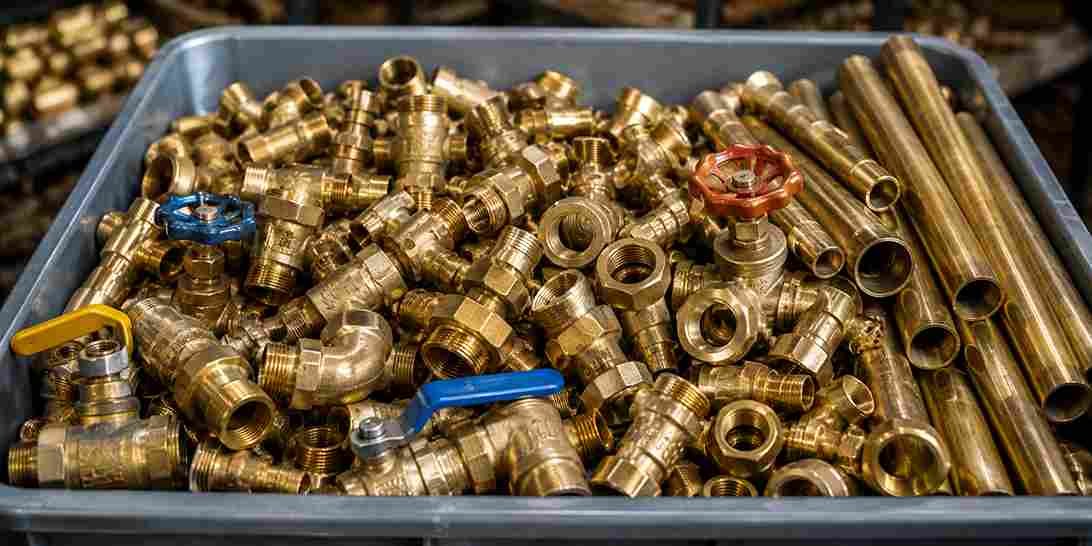
Brass is one of the most valuable non-ferrous metals found in residential, commercial, and industrial applications. It is an alloy primarily made from copper and zinc, offering excellent corrosion resistance, durability, and long-lasting performance. Because of these properties, brass is widely used in plumbing systems, electrical components, machinery parts, decorative items, and various manufacturing industries.
Many homeowners, contractors, and industrial businesses dispose of old brass items without realizing their recycling potential. Understanding How to Identify Valuable Brass Scrap Materials allows individuals and companies to separate high-quality brass from mixed metal waste and recover better value through professional recycling.
The value of brass scrap depends on several factors including metal composition, purity, weight, condition, and current market demand. Clean and properly sorted brass materials usually receive higher recycling value because they require less processing before being reused in manufacturing.
Brass can be found in many everyday products such as old plumbing fixtures, water valves, taps, door handles, locks, electrical connectors, machinery components, and industrial equipment. Identifying these valuable materials before disposal helps reduce waste, conserve natural resources, and support sustainable metal recycling.
How to Identify Valuable Brass Scrap Materials by Color, Weight, and Appearance
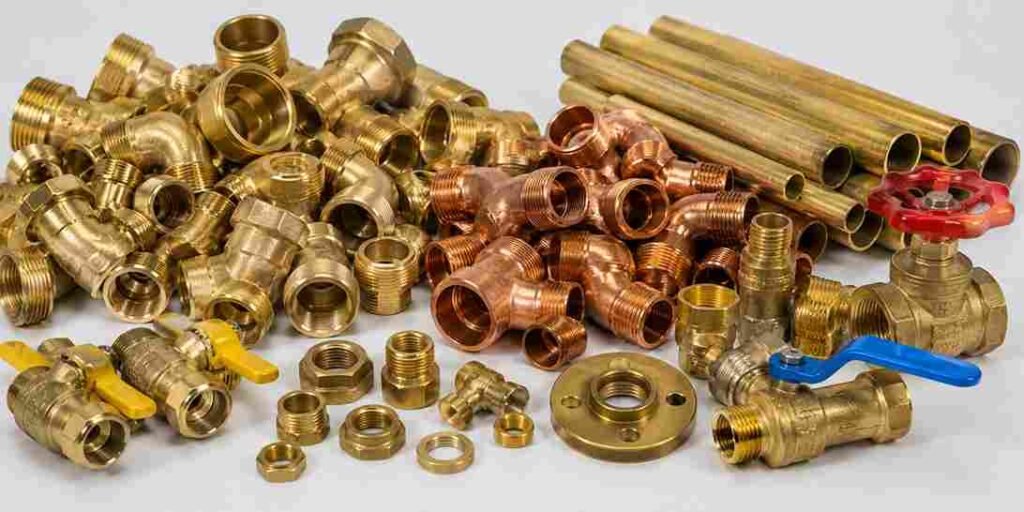
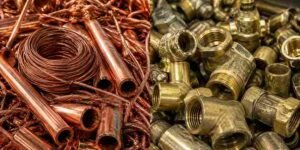
One of the easiest ways to identify valuable brass scrap is by examining its physical appearance. Most brass materials have a distinctive yellow-gold color due to their copper and zinc content. However, different brass grades can display slightly different shades depending on their metal composition.
Yellow brass is one of the most common types of recyclable brass and is often found in household plumbing fixtures, locks, decorative hardware, and fittings. Red brass contains a higher percentage of copper, giving it a slightly reddish appearance and often increasing its recycling value.
Weight is another important factor when identifying brass materials. Brass is generally heavier than aluminum and many other common metals, making it easier to recognize during the sorting process. A simple magnet test can also help because pure brass is non-magnetic, while mixed metal items containing steel may be attracted to a magnet.
Carefully inspecting the color, density, surface condition, and metal composition can help homeowners and businesses separate valuable brass materials from other scrap metals. Proper identification improves brass recycling efficiency and allows sellers to receive a more accurate valuation from professional scrap recycling companies.
Common Household and Industrial Products That Contain Valuable Brass Scrap Materials
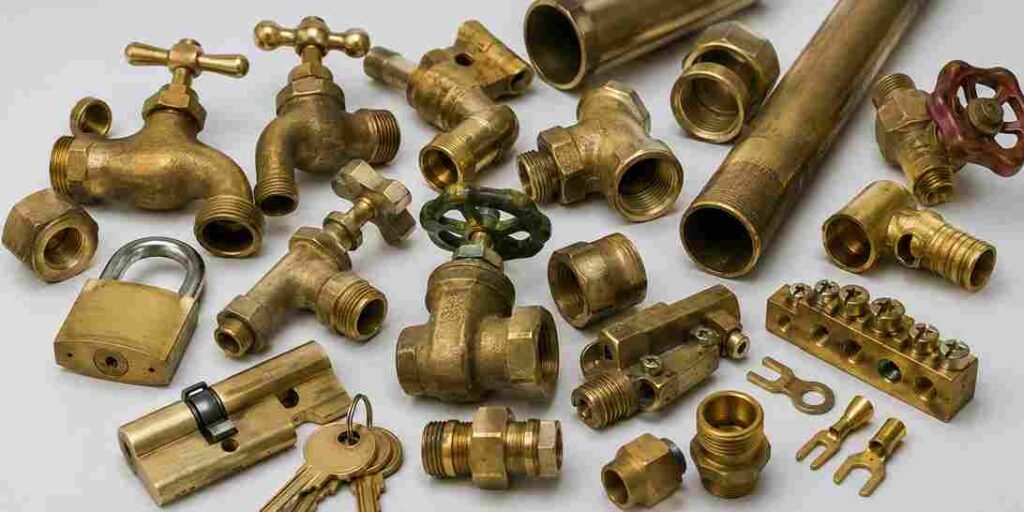
Understanding how to identify valuable brass scrap materials becomes easier when you know where brass is commonly used. Brass is found in a wide range of residential, commercial, and industrial products because of its excellent strength, corrosion resistance, and ability to withstand moisture and high temperatures.
In residential properties, common brass scrap materials include water taps, plumbing fittings, valves, shower components, door handles, locks, keys, decorative items, and old household hardware. During home renovation and replacement projects, these materials often become valuable recyclable brass that should be separated from general waste.
Industrial facilities and manufacturing companies also produce significant amounts of brass metal scrap in dubai. Common industrial sources include machine parts, electrical connectors, bearings, gears, precision components, marine equipment, and production offcuts generated during fabrication processes.
Construction projects, workshops, and engineering industries frequently generate recyclable brass materials when upgrading equipment, replacing old plumbing systems, or dismantling outdated machinery. Proper identification and sorting of these materials help businesses maximize brass recycling value while supporting environmentally responsible waste management practices.
Different Types of Brass Scrap Grades and Their Recycling Value
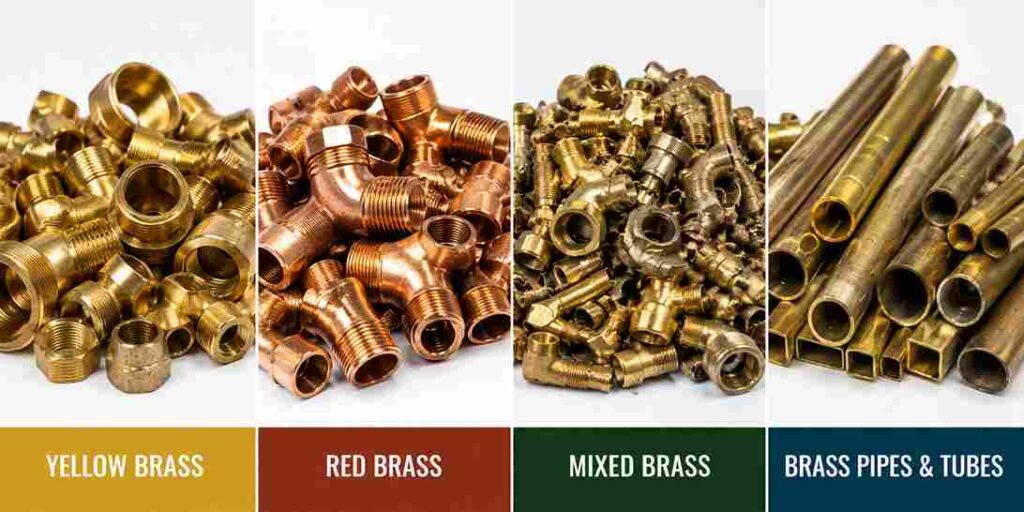
Not all brass scrap has the same recycling value. Different grades of brass are classified based on their copper content, purity level, condition, and the presence of other materials. Understanding brass scrap grades is important for obtaining accurate evaluations and maximizing the value of recyclable materials.
Yellow brass is one of the most commonly recycled brass grades and is widely used in plumbing fixtures, valves, fittings, and decorative hardware. It usually contains a balanced combination of copper and zinc, making it a valuable recyclable material in the scrap industry.
Red brass generally contains a higher percentage of copper compared to yellow brass. Because of its increased copper content, red brass often carries a higher recycling value and is commonly found in high-quality valves, water meters, and industrial plumbing components.
Mixed brass scrap includes different types of brass materials combined with other metals or components. Although mixed brass can still be recycled, properly separating clean brass from non-metal attachments can improve the overall brass scrap value.
Professional brass scrap recycling companies evaluate materials based on metal composition, cleanliness, weight, and current market demand. Proper sorting and identification ensure that homeowners, contractors, and industrial businesses receive the best possible value from their recyclable brass materials.
Factors That Affect the Value of Valuable Brass Scrap Materials
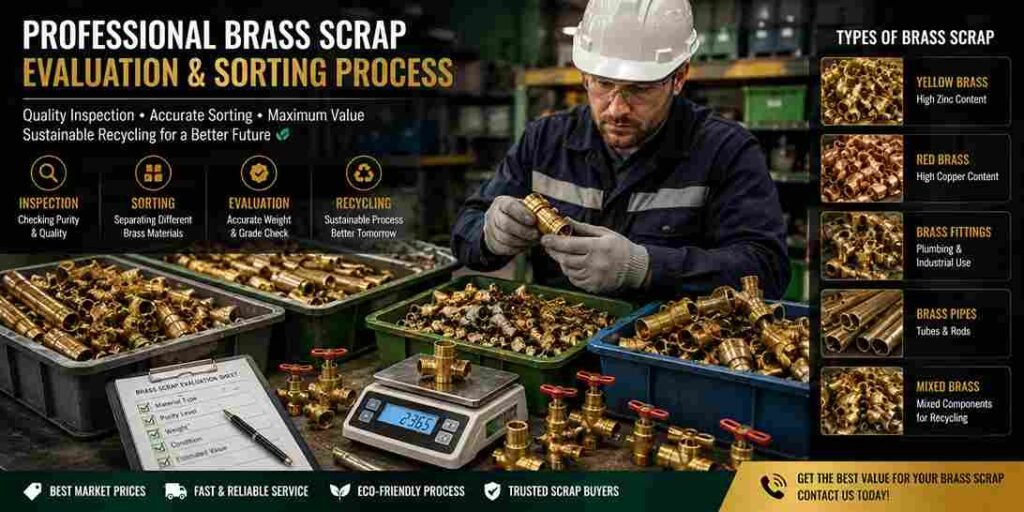
Understanding How to Identify Valuable Brass Scrap Materials also requires knowledge of the factors that influence their recycling value. Not every brass item receives the same price, as the final value depends on the brass grade, copper content, material purity, weight, condition, and current demand in the metal recycling market.
Clean brass materials that are free from plastic, rubber, steel attachments, and other contaminants usually have a higher recycling value. Brass fittings, valves, pipes, and industrial brass components that are properly separated before recycling are easier to process and often receive better evaluations.
The quantity of brass scrap available also plays an important role in determining overall value. Industrial facilities, construction companies, and manufacturing units that generate bulk quantities of brass metal scrap can often achieve better recycling returns due to the larger volume of recyclable materials.
Regular market demand for copper-based alloys also affects brass scrap prices. Since brass is widely used in plumbing, engineering, automotive, electrical, and manufacturing sectors, high-quality recyclable brass materials continue to maintain strong demand in the recycling industry.
Environmental and Economic Benefits of Identifying Valuable Brass Scrap Materials
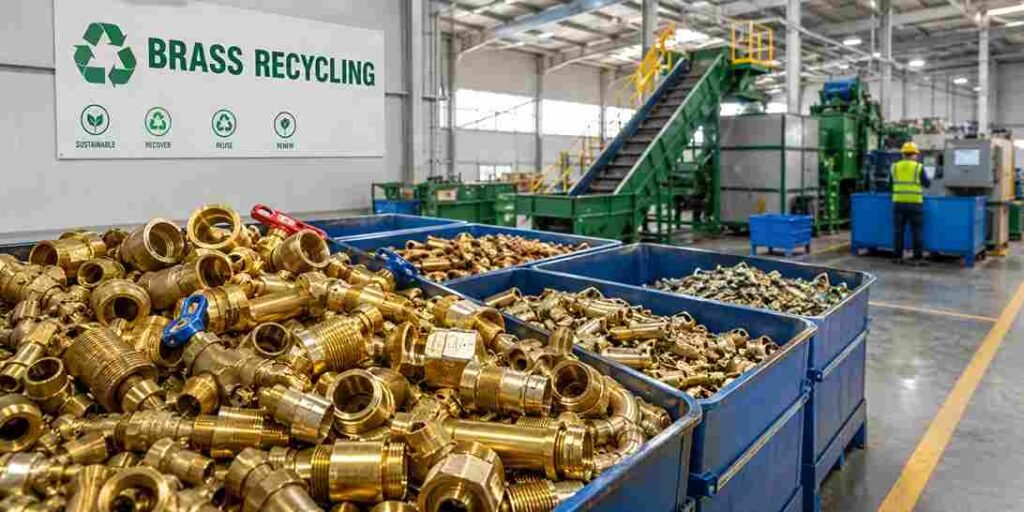
Proper identification and recycling of brass scrap provide both environmental and financial benefits. Brass is a durable non-ferrous metal that can be recycled multiple times without losing its strength, quality, or performance. This makes brass recycling an important part of sustainable resource management.
By identifying valuable brass materials before disposal, homeowners and businesses can reduce landfill waste and conserve natural resources. Recycling brass also requires less energy compared to extracting and processing new raw materials, helping reduce environmental impact and support a greener future.
For businesses, contractors, and industrial companies, proper brass scrap management creates additional financial value. Materials such as brass valves, plumbing fittings, machine components, and manufacturing offcuts can be recovered and returned to the production cycle through professional brass recycling services.
Common Brass Scrap Materials and Their Recycling Value
| Brass Scrap Material | Common Uses and Recycling Importance |
|---|---|
| Yellow Brass | Used in taps, valves, fittings, and household hardware with good recycling value. |
| Red Brass | Contains higher copper content and is commonly found in industrial plumbing components. |
| Brass Pipes | Generated from old plumbing systems, renovations, and infrastructure upgrades. |
| Brass Electrical Components | Recovered from electrical equipment, connectors, and industrial systems. |
| Industrial Brass Offcuts | Produced during manufacturing, machining, and fabrication operations. |
Frequently Asked Questions
How can you identify valuable brass scrap materials?
Valuable brass scrap materials can be identified by checking their color, weight, magnetic properties, and overall purity. Clean yellow brass, red brass, brass fittings, valves, pipes, and industrial components usually have higher recycling value because they contain quality brass alloys.
What types of brass scrap have the highest recycling value?
High-value brass scrap commonly includes clean red brass, yellow brass, brass valves, plumbing fittings, machine components, and manufacturing offcuts. Materials that are properly separated from steel, plastic, or rubber attachments generally receive better evaluations.
Where can brass scrap commonly be found?
Brass scrap is commonly found in residential plumbing systems, old taps, water meters, locks, keys, electrical connectors, industrial machinery, construction projects, and manufacturing facilities. Identifying these sources helps maximize the recovery of valuable recyclable brass materials.
Does cleaning brass scrap increase its value?
Yes, removing non-metal parts, dirt, plastic, and other contaminants can improve the quality of brass scrap. Clean and sorted brass materials require less processing, which may help increase their overall recycling value.
Why is brass scrap recycling important?
Brass recycling helps conserve natural resources, reduce industrial waste, save energy, and support sustainable manufacturing. Since brass can be recycled multiple times without losing its strength and quality, it remains one of the most valuable recyclable non-ferrous metals.
Conclusion
Understanding How to Identify Valuable Brass Scrap Materials helps homeowners, contractors, and industrial businesses recognize valuable recyclable metals and improve their recycling returns. Proper sorting, cleaning, and identification of brass items can increase their market value while supporting environmentally responsible recycling practices.
If you have brass valves, fittings, pipes, machine parts, or industrial brass waste, Best Scrap Buyer provides professional Brass Scrap Buyers in Dubai services with reliable collection, competitive market prices, and responsible recycling solutions.
Contact Best Scrap Buyer today at +9710509973816 for professional brass scrap collection and expert recycling services across Dubai.