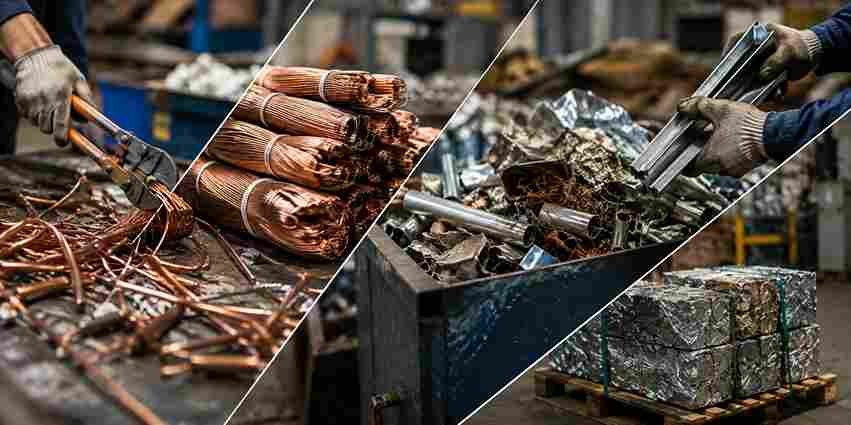
Selling scrap is not simply about loading unwanted materials into a truck and taking them to a recycling company. The way your scrap is prepared before collection can have a significant impact on the inspection process, recycling efficiency, and overall value. Whether you are recycling copper wire, aluminium profiles, brass fittings, steel beams, batteries, machinery, electrical cables, or construction materials, proper preparation helps professional recyclers identify each material quickly and process it more efficiently. Industry guidance consistently recommends sorting, cleaning, and separating materials before sale because these steps reduce contamination and improve recycling efficiency.
Understanding how to prepare scrap before selling also saves time for both the seller and the recycling company. Well-organised scrap is easier to inspect, weigh, transport, and classify according to its metal grade and condition. Instead of treating all materials as mixed scrap, professional buyers can evaluate each category separately, resulting in a more transparent quotation. Whether you are a homeowner, contractor, warehouse manager, factory owner, or commercial business in Dubai, following a few simple preparation steps helps create a smoother recycling process while supporting environmentally responsible resource recovery.
Why Proper Scrap Preparation Is Important
Many people focus only on the current scrap price, but preparation plays an equally important role in the recycling process. Professional recycling companies inspect every load carefully before calculating its value. Mixed materials, excessive dirt, plastic attachments, rubber components, wood, concrete, or other contaminants require additional labour before recycling, making inspection slower and processing more complex. Preparing your scrap beforehand helps recyclers identify each material accurately and improves overall recycling efficiency.
Proper preparation also protects recyclable materials from unnecessary damage. Copper wires that remain dry, aluminium profiles stored separately, brass fittings free from attached plastic, and clean steel components are much easier to classify according to their recycling grade. Good preparation supports accurate weighing, faster collection, safer handling, and a more organised recycling workflow for everyone involved.
Sort Scrap by Material Type
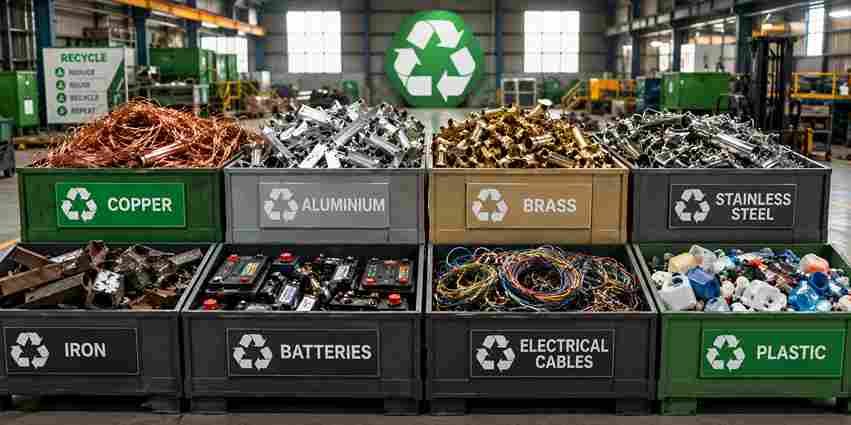
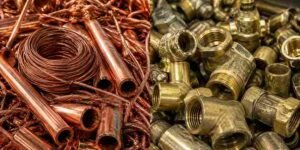
The first and most important step in how to prepare scrap before selling is separating different recyclable materials before collection. Copper, aluminium, brass, stainless steel, iron, batteries, machinery, electrical cables, and plastic all have different recycling processes and market values. Keeping these materials organised allows professional scrap buyers to inspect each category individually rather than treating everything as mixed scrap. This improves recycling efficiency and simplifies the entire valuation process.
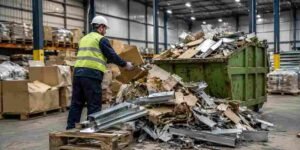
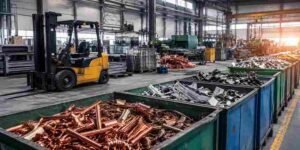
For larger commercial or industrial projects, it is helpful to use separate containers, pallets, or storage areas for each type of material. Even simple identification methods, such as grouping similar items together, can make inspection much faster. Proper sorting also reduces the likelihood of contamination, which is one of the most common reasons recyclable materials require additional processing before recycling.
Remove Non-Metal Components Where Possible
Many recyclable items contain a combination of different materials. Copper pipes may include brass fittings, aluminium frames often have rubber seals, machinery contains plastics and wiring, while electrical cables include insulation around the metal core. Where it is practical and safe to do so, removing obvious non-metal components helps simplify the recycling process and allows recyclers to identify the recoverable material more efficiently.
However, avoid dismantling equipment that contains hazardous materials or requires specialist handling. Air conditioners, industrial machinery, batteries, and electronic equipment should be inspected by experienced recycling professionals to ensure safe processing. Proper preparation is about improving organisation not compromising safety.
Clean Your Scrap Before Collection
Cleaning your scrap before collection is another important step when learning how to prepare scrap before selling. Scrap materials often accumulate dust, grease, oil, paint residue, mud, or construction debris during regular use. While recyclers can still process these materials, excessive contamination makes inspection slower and increases the amount of cleaning required before recycling. Removing loose dirt and obvious contaminants helps present recyclable materials in a better condition and allows for a more efficient assessment.
Simple cleaning methods such as wiping metal surfaces, removing loose debris, and keeping recyclable materials dry are usually sufficient. There is no need to polish metals or spend excessive time making them look new. The goal is simply to make the materials easier to inspect and separate. Clean scrap also reduces the chance of contamination spreading to other recyclable materials during storage and transportation.
Store Scrap Safely Before Pickup
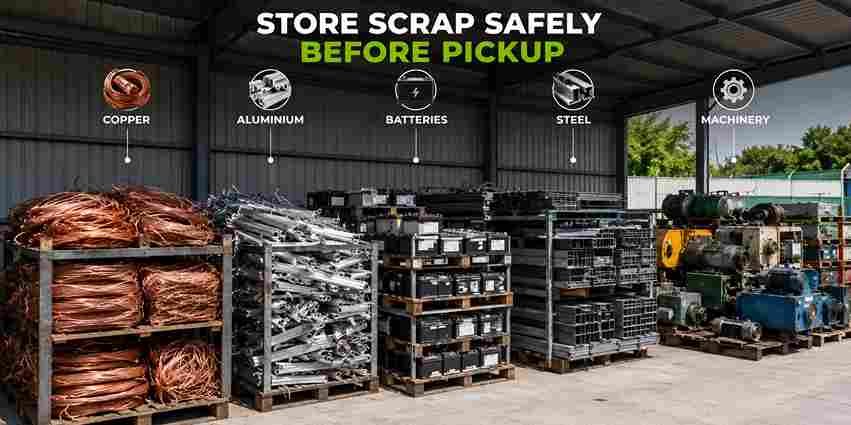
Proper storage plays an important role in maintaining the condition of recyclable materials before collection. Leaving scrap exposed to rain, standing water, or excessive moisture can increase corrosion on certain metals and create unnecessary handling challenges. Storing scrap in a clean, dry, and organised area helps preserve its condition while making loading and transportation much more efficient.
For businesses and industrial facilities, it is recommended to organise scrap using separate pallets, containers, or storage bins for each material type. Batteries should be stored securely to prevent leaks, electrical cables should remain bundled together, and machinery should be placed in a stable position for safe handling. Good storage practices improve workplace safety while simplifying the recycling process.
Separate High-Value Materials
Not all recyclable materials have the same market value, which is why separating high-value metals is one of the most effective ways to prepare scrap before selling. Copper, brass, aluminium, stainless steel, and electrical cables are generally inspected separately because each material follows a different recycling process and contains different recoverable resources. Mixing valuable non-ferrous metals with general steel scrap makes inspection more difficult and reduces sorting efficiency.
For example, bare bright copper wire should be kept separate from insulated cables, brass fittings should not be mixed with steel hardware, and aluminium window frames should be stored separately from construction debris. This organised approach allows recycling professionals to classify each material correctly and complete the inspection more efficiently.
Estimate the Quantity Before Contacting a Scrap Buyer
Before arranging a pickup, it is helpful to estimate the quantity of recyclable materials you intend to sell. You do not need an exact weight, but having an approximate idea of the number of pallets, bags, containers, or truckloads allows the recycling company to prepare the appropriate vehicle, equipment, and manpower for collection. This helps make the entire process faster and more organised.
Commercial businesses, factories, warehouses, and construction companies often generate large volumes of recyclable materials over time. Maintaining simple records of accumulated scrap helps improve collection planning and allows professional recyclers to schedule suitable transport. Accurate quantity estimates also reduce delays on the day of collection and create a smoother recycling experience for both parties.
Never Mix Hazardous Waste with Recyclable Scrap
One of the most common mistakes people make is mixing hazardous waste with recyclable materials. Items such as chemicals, fuel containers, oils, asbestos, paint, medical waste, and certain electronic components require specialised disposal procedures and should never be placed together with recyclable metals. Mixing these materials creates safety risks and can delay the inspection and recycling process.
If you are unsure whether an item is recyclable, consult a professional recycling company before collection. Experienced scrap buyers can identify materials that require specialist handling and recommend the safest disposal or recycling method. Proper separation protects workers, improves recycling efficiency, and helps ensure compliance with environmental best practices.
Common Mistakes to Avoid Before Selling Scrap
Preparing scrap correctly is just as important as choosing the right recycling company. Many sellers unintentionally make mistakes that slow down the inspection process and create unnecessary challenges during collection. Mixed materials, poor storage, inaccurate quantity estimates, and unsafe handling can all reduce recycling efficiency. Avoiding these common mistakes helps ensure your recyclable materials are organised, easier to inspect, and ready for professional collection.
One of the biggest mistakes is waiting until collection day to organise recyclable materials. Sorting copper, aluminium, brass, steel, batteries, AC Scrap,electrical cables, machinery, and construction scrap in advance saves time for both the seller and the recycler. It also creates a safer working environment and allows professional scrap buyers to complete inspections more efficiently using industry best practices.
Scrap Preparation Checklist Before Selling
| Preparation Step | Why It Matters | Best Practice |
|---|---|---|
| Sort materials by type | Faster inspection | Keep copper, aluminium, brass, steel, batteries, and cables separate. |
| Remove loose contamination | Cleaner recycling process | Brush away dirt, mud, and loose debris where possible. |
| Store scrap correctly | Protects recyclable materials | Keep materials dry, organised, and safely stacked. |
| Separate valuable metals | Simplifies classification | Keep copper, brass, and aluminium independent from mixed scrap. |
| Estimate the quantity | Improves collection planning | Provide an approximate weight or volume before pickup. |
| Keep hazardous waste separate | Improves safety | Do not mix chemicals, oils, or hazardous materials with recyclable scrap. |
Frequently Asked Questions
1. Why should I prepare scrap before selling?
Preparing scrap before selling makes the inspection, weighing, and recycling process faster and more organised. Proper preparation also helps professional recyclers identify different materials efficiently while reducing contamination.
2. Should I separate different types of metals?
Yes. Copper, aluminium, brass, stainless steel, iron, batteries, electrical cables, and machinery should be separated whenever possible. Organised materials are easier to inspect and recycle.
3. Do I need to clean scrap before collection?
Basic cleaning is recommended. Removing loose dirt, mud, grease, and debris helps improve inspection and simplifies the recycling process. There is no need to polish or restore the materials.
4. How should I store scrap before pickup?
Store recyclable materials in a clean, dry, and organised location. Keep different materials separated and ensure heavy items are stacked safely for easy loading and transportation.
5. Can I mix batteries or electronic waste with metal scrap?
No. Batteries and electronic waste should be kept separate because they require specialised recycling methods. Always inform your recycling company if your collection includes these materials.
Conclusion
Knowing how to prepare scrap before selling helps homeowners, contractors, factories, warehouses, and businesses create a smoother recycling process while improving organisation and safety. Simple steps such as sorting materials, removing loose contamination, storing scrap correctly, and separating valuable metals make collection and inspection much more efficient.
If you are looking for a reliable Scrap Buyer in Dubai, BestScrapBuyer offers professional scrap collection, transparent digital weighing, competitive market prices, and environmentally responsible recycling services across Dubai. Contact us today for a free quotation or call +971 50 997 3816 to arrange fast and hassle-free scrap collection for your recyclable materials.