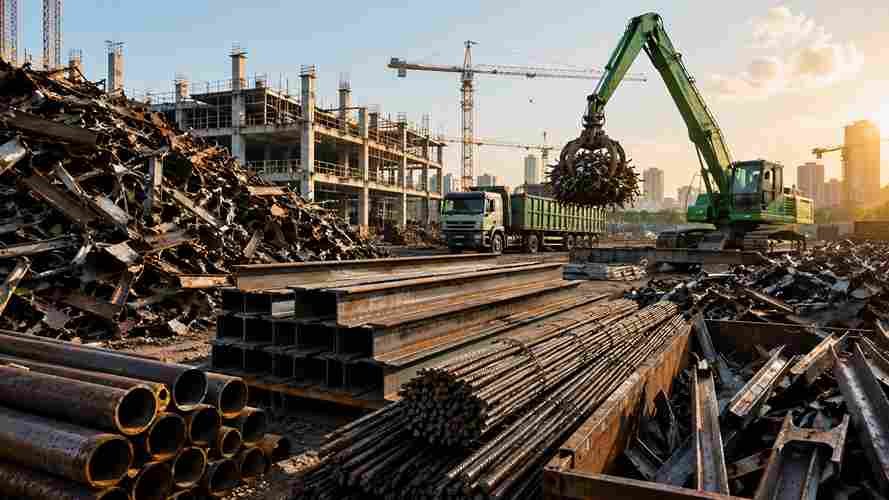
The construction industry is one of the largest consumers of raw materials worldwide, including steel and iron. As cities continue to expand and infrastructure projects increase, the demand for sustainable building materials has become more important than ever. One of the most effective ways to support environmentally responsible development is through Iron and Steel Scrap Recycling.
Iron and steel are among the most recycled materials globally because they can be processed and reused multiple times without losing their strength or structural integrity. Recycling these materials helps reduce construction waste, conserve natural resources, lower energy consumption, and support sustainable building practices.
From residential developments and commercial buildings to industrial facilities and infrastructure projects, recycled iron and steel play a vital role in creating a more sustainable construction sector. Understanding the importance of steel recycling allows businesses, contractors, and property owners to make informed decisions that benefit both the environment and the economy.
How Iron and Steel Scrap Recycling Reduces Construction Waste
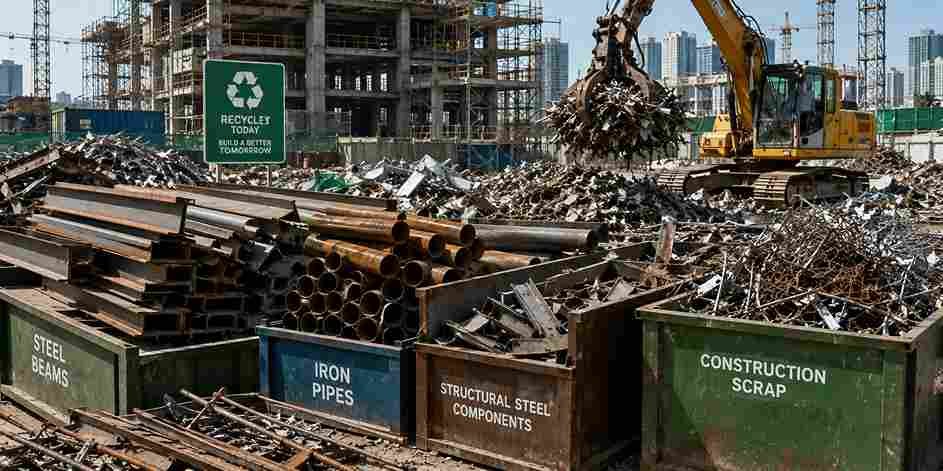
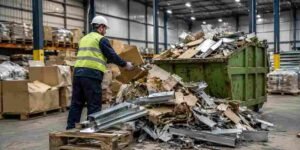
Construction and demolition activities generate significant amounts of waste materials every year. Old steel beams, reinforcement bars, metal roofing sheets, iron pipes, steel frames, and structural components are commonly removed during renovation, demolition, and redevelopment projects.
Without proper recycling, these materials may end up in landfills, contributing to environmental pollution and unnecessary waste. Iron and Steel Scrap Recycling provides an effective solution by recovering valuable metal materials and returning them to the manufacturing process.
Recycling construction scrap helps contractors reduce disposal costs while improving waste management efficiency. It also supports sustainable construction goals by minimizing the environmental impact of large-scale building projects.
How Iron and Steel Scrap Recycling Conserves Natural Resources
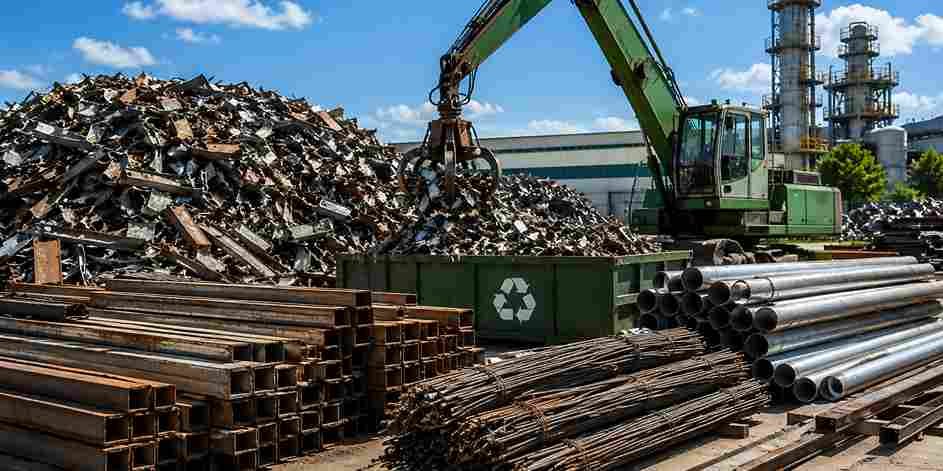
One of the biggest advantages of Iron and Steel Scrap Recycling is its ability to conserve valuable natural resources. Producing new steel from raw materials requires significant amounts of iron ore, coal, limestone, water, and energy. As global construction activities continue to grow, the demand for these resources also increases.
Recycling iron and steel reduces the need for extracting raw materials from the environment. Instead of relying entirely on mining operations, manufacturers can use recycled steel and iron to produce new construction materials while maintaining the same strength, durability, and performance standards.
The steel recycling process helps preserve natural ecosystems by reducing mining activities, minimizing land disturbance, and lowering the environmental impact associated with raw material extraction. This makes recycled steel one of the most environmentally responsible materials used in modern construction.
For construction companies, developers, and infrastructure contractors, choosing recycled metal materials supports sustainable development goals while helping protect valuable resources for future generations.
The Role of Recycled Steel in Sustainable Construction Projects
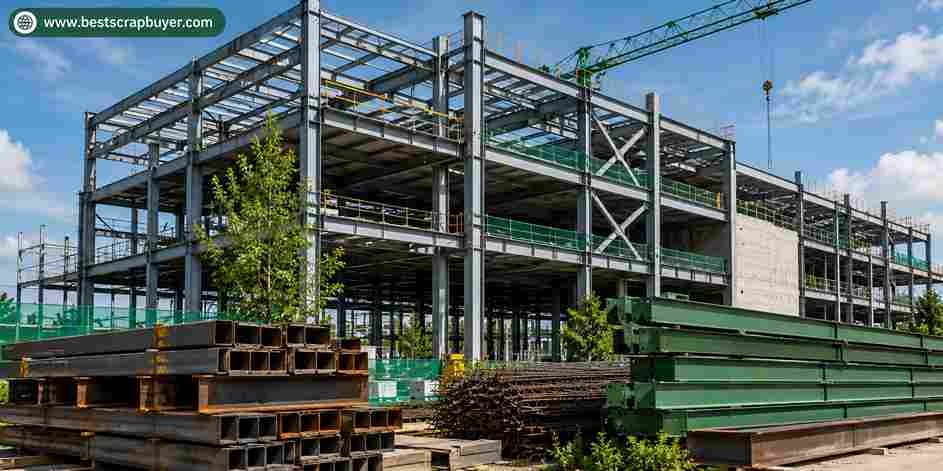
Sustainable construction focuses on reducing environmental impact while maintaining high standards of safety, quality, and efficiency. Recycled steel plays an important role in achieving these objectives because it can be reused repeatedly without losing its structural properties.
Many commercial buildings, residential developments, industrial facilities, warehouses, bridges, and infrastructure projects incorporate recycled steel into their construction processes. Structural steel, reinforcement bars, steel framing systems, roofing materials, and metal components are commonly produced using recycled steel materials.
The use of recycled steel helps reduce construction waste while supporting green building initiatives. It also contributes to lower energy consumption compared to manufacturing steel entirely from virgin raw materials.
As governments, businesses, and developers continue to prioritize sustainability, the demand for recycled steel materials is expected to grow. This highlights the increasing importance of Iron and Steel Scrap Recycling within the global construction industry and demonstrates how responsible recycling supports long-term environmental and economic benefits.
Environmental Benefits of Iron and Steel Scrap Recycling
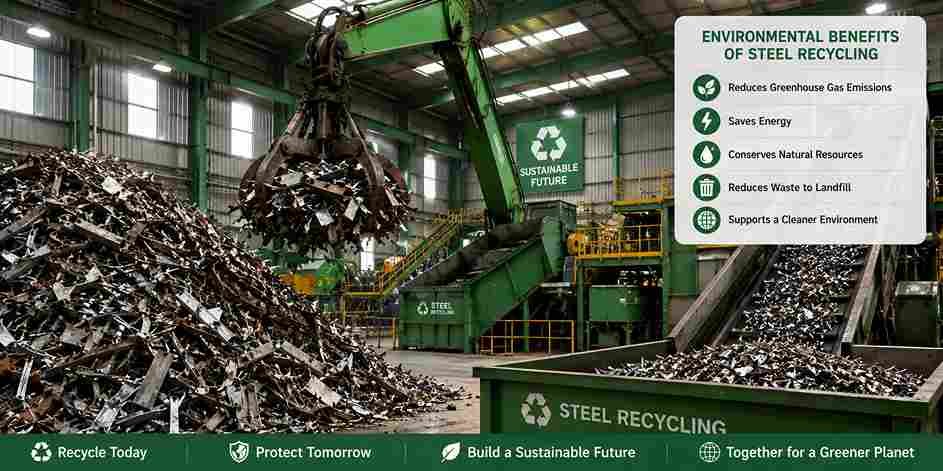
One of the most important advantages of Iron and Steel Scrap Recycling is its positive impact on the environment. Recycling steel and iron helps reduce the amount of waste sent to landfills while decreasing the demand for raw material extraction. This process supports sustainable resource management and contributes to a cleaner environment.
The production of new steel from recycled materials requires significantly less energy compared to manufacturing steel from iron ore. As a result, steel recycling helps lower greenhouse gas emissions and reduces the overall carbon footprint of construction and manufacturing activities.
In addition to reducing energy consumption, recycling iron and steel helps minimize air pollution, water usage, and environmental damage associated with mining operations. These environmental benefits make recycled steel a preferred material for green building projects and sustainable infrastructure development.
As environmental regulations continue to evolve, many businesses and construction companies are adopting responsible recycling practices to support long-term sustainability goals. By participating in Iron and Steel Scrap Recycling, organizations can contribute to environmental protection while improving operational efficiency.
Economic Advantages of Iron and Steel Scrap Recycling for Construction Companies
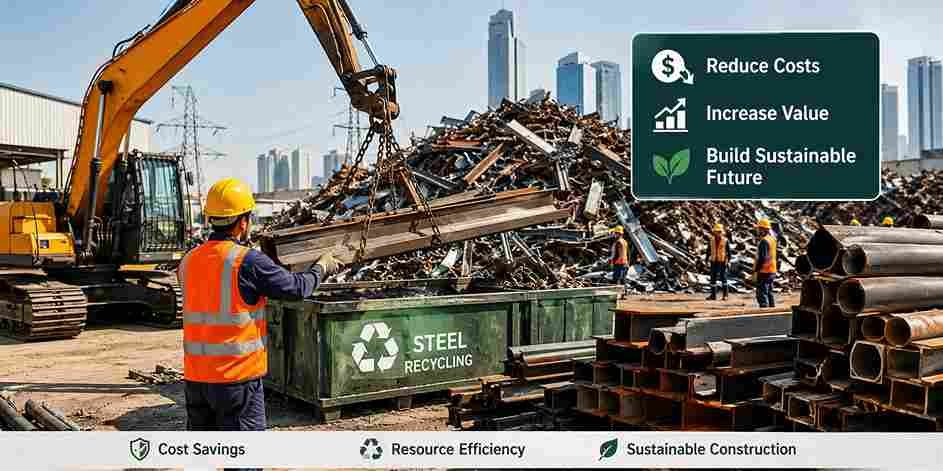
Beyond environmental benefits, Iron and Steel Scrap Recycling also provides significant economic advantages for construction companies, contractors, and property developers. Construction projects often generate large amounts of recyclable metal waste during demolition, renovation, and infrastructure upgrades.
Instead of treating these materials as waste, businesses can recover value by sending recyclable steel and iron materials to professional recycling facilities. This helps reduce disposal expenses while creating additional revenue opportunities from construction scrap.
Recycled steel materials are also widely available and often cost less than newly produced alternatives. This allows construction companies to control project costs without compromising quality or structural performance.
As the demand for sustainable construction continues to increase, businesses that incorporate recycling into their operations can improve resource efficiency, reduce waste management costs, and strengthen their environmental reputation within the industry.
Common Iron and Steel Scrap Materials Used in Recycling
| Material Type | Common Construction Applications |
|---|---|
| Structural Steel Beams | Commercial buildings, warehouses, and industrial facilities |
| Steel Reinforcement Bars | Concrete structures, foundations, and infrastructure projects |
| Iron Pipes | Plumbing systems, industrial installations, and utilities |
| Steel Roofing Materials | Commercial and residential roofing systems |
| Demolition Scrap Metal | Recycled into new construction and manufacturing materials |
Frequently Asked Questions
Why is Iron and Steel Scrap Recycling important in construction?
Iron and Steel Scrap Recycling is important because it reduces construction waste, conserves natural resources, lowers energy consumption, and supports sustainable building practices. Recycled steel can be reused multiple times without losing its strength or durability.
Can recycled steel be used in new construction projects?
Yes, recycled steel is widely used in residential, commercial, and industrial construction projects. It maintains the same structural performance as newly manufactured steel and is commonly used for steel beams, reinforcement bars, roofing systems, and structural frameworks.
How does steel recycling help reduce environmental impact?
Steel recycling reduces the need for mining raw materials, lowers greenhouse gas emissions, minimizes landfill waste, and decreases energy consumption during manufacturing. These benefits contribute to a cleaner and more sustainable environment.
What types of iron and steel materials can be recycled?
Many materials can be recycled, including structural steel beams, reinforcement bars, steel pipes, iron components, metal roofing sheets, industrial equipment, demolition scrap, machinery parts, and construction waste materials.
How do construction companies benefit from Iron and Steel Scrap Recycling?
Construction companies benefit by reducing waste disposal costs, improving resource efficiency, recovering value from recyclable materials, and supporting environmental sustainability goals. Recycling also helps companies meet green building standards and sustainability requirements.
Conclusion
Iron and Steel Scrap Recycling plays a vital role in supporting sustainable construction by reducing waste, conserving natural resources, and lowering the environmental impact of building projects. Recycled steel and iron materials help create durable structures while promoting responsible resource management and long-term sustainability.
Whether you are managing a demolition project, construction site, industrial facility, or infrastructure upgrade, recycling iron and steel materials can provide both environmental and economic benefits. Best Scrap Buyer offers professional Iron and Steel Scrap Buyer in Dubai services with reliable collection, competitive market prices, and environmentally responsible recycling solutions.
Contact Best Scrap Buyer today at +9710509973816 for expert iron and steel scrap collection and trusted recycling services across Dubai.