

Understanding Lead Acid vs Lithium Battery Recycling has become increasingly important as businesses, industries, and consumers generate larger volumes of used batteries every year. Both battery types power essential equipment, including vehicles, UPS systems, solar energy storage, forklifts, telecommunications infrastructure, and portable electronics. Although they serve similar purposes, their construction, chemical composition, recycling methods, environmental impact, and recovery processes differ significantly.
Choosing the right recycling method is essential not only for protecting the environment but also for recovering valuable raw materials safely and efficiently. Lead-acid batteries are among the world’s most successfully recycled products, while lithium batteries require more advanced recycling technologies because of their complex internal components and higher energy density. Understanding these differences helps businesses prepare used batteries correctly, comply with environmental regulations, and work with professional recycling companies that follow safe handling procedures.
This guide explains the major differences between lead-acid and lithium battery recycling, how each recycling process works, which materials are recovered, their environmental impact, and why proper recycling plays an important role in supporting a sustainable circular economy.
What Is a Lead Acid Battery?
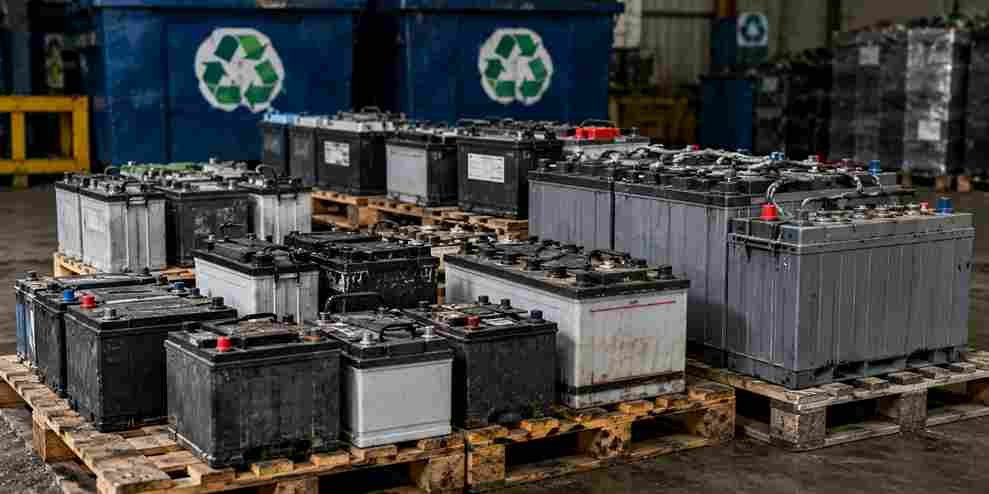
Lead-acid batteries are one of the oldest and most widely used rechargeable battery technologies in the world. They contain lead plates submerged in a sulfuric acid electrolyte and are commonly found in cars, trucks, backup power systems, forklifts, emergency lighting, telecom equipment, and industrial machinery.
These batteries are valued for their reliability, relatively low manufacturing cost, and ability to deliver high surge currents. Because their components are well understood and highly recyclable, lead-acid batteries have become one of the most efficiently recycled products worldwide.
Professional recycling facilities recover lead, plastic casings, and electrolyte solutions separately before processing these materials into raw materials for manufacturing new batteries and industrial products.
What Is a Lithium Battery?

Lithium batteries, particularly lithium-ion batteries, have become increasingly popular because they provide higher energy density, lighter weight, faster charging, and longer operational life than traditional lead-acid batteries. They are widely used in electric vehicles, laptops, smartphones, solar energy storage systems, medical equipment, drones, and cordless power tools.
Unlike lead-acid batteries, lithium batteries contain valuable materials such as lithium, cobalt, nickel, manganese, copper, graphite, and aluminium. Recovering these materials requires specialized recycling equipment because lithium batteries present additional safety challenges, including the risk of thermal runaway if damaged or improperly handled.
As global demand for electric vehicles and renewable energy continues to grow, lithium battery recycling is becoming an increasingly important part of the recycling industry.
Why Battery Recycling Matters
Whether a battery contains lead or lithium, recycling provides significant environmental and economic benefits. Used batteries contain valuable raw materials that can be recovered and reused instead of extracting new resources through mining.
Proper battery recycling helps:
- Reduce hazardous waste.
- Recover valuable raw materials.
- Protect soil and water from contamination.
- Reduce landfill waste.
- Support sustainable manufacturing.
- Lower energy consumption.
- Conserve natural resources.
- Promote the circular economy.
Professional recycling companies follow strict handling procedures to ensure batteries are transported, inspected, dismantled, and processed safely while maximizing material recovery.
Lead Acid vs Lithium Battery Recycling Comparison
Although both battery types are recyclable, Lead Acid vs Lithium Battery Recycling differs significantly in terms of battery construction, recycling technology, recovered materials, safety requirements, environmental considerations, and overall recycling complexity. Understanding these differences helps businesses choose the correct recycling method and work with professional recyclers that can safely process each battery type.
Lead-acid batteries have been recycled commercially for decades using well-established processes that recover most of their components. Lithium batteries, on the other hand, require more advanced recycling technologies because they contain a wider variety of valuable metals and pose greater safety risks if handled incorrectly.
How Lead Acid Batteries Are Recycled
Lead-acid battery recycling follows a highly organized process that allows most battery components to be recovered and reused. Once collected, batteries are transported to licensed recycling facilities where trained technicians inspect them before processing begins.
The batteries are first broken apart using specialized machinery. The different materials are then separated into three main categories: lead, plastic, and electrolyte solution. Lead plates are cleaned and melted before being refined into raw material used for manufacturing new batteries and other lead products. Plastic casings are washed, shredded, and recycled into new battery containers or industrial plastic products. The electrolyte solution is neutralized and treated safely according to environmental regulations.
Because this recycling process has been refined over many years, lead-acid batteries achieve one of the highest recycling rates of any consumer product worldwide.
Materials Recovered from Lead Acid Batteries
Professional recycling facilities recover several valuable materials, including:
- Lead
- Polypropylene plastic
- Sulfuric acid (treated or neutralized)
- Battery terminals
- Metal connectors
Most of these materials can be reused multiple times without significant loss of quality, reducing the need for new raw material extraction.
How Lithium Batteries Are Recycled
Lithium battery recycling is considerably more complex because these batteries contain multiple valuable metals and store much higher levels of energy. Before dismantling begins, batteries must be carefully discharged to reduce the risk of electrical hazards.
After inspection, batteries are dismantled using specialized equipment. Components are separated mechanically, chemically, or through advanced recycling technologies depending on the battery design. Valuable materials including lithium, cobalt, nickel, manganese, copper, aluminium, and graphite are recovered through a combination of crushing, separation, hydrometallurgical processing, or pyrometallurgical techniques.
Recovered metals are purified and supplied back to manufacturers for producing new batteries, helping reduce dependence on newly mined materials.
Materials Recovered from Lithium Batteries
Lithium battery recycling can recover several high-value materials, including:
- Lithium
- Cobalt
- Nickel
- Manganese
- Copper
- Aluminium
- Graphite
- Steel
- Electronic components
As battery technology continues to evolve, recycling methods are becoming increasingly efficient at recovering these valuable resources.
Advantages of Lead Acid Battery Recycling
Lead-acid battery recycling remains one of the most mature recycling industries worldwide because of its standardized processes and consistently high recovery rates.
Some key advantages include:
- Well-established recycling infrastructure
- High recovery rate for lead and plastic
- Proven industrial recycling process
- Reduced demand for newly mined lead
- Lower environmental impact through proper recycling
- Reliable supply of recycled raw materials for new battery production
These benefits make lead-acid batteries one of the most successfully recycled products in the global recycling industry.
Advantages of Lithium Battery Recycling
Lithium battery recycling has become increasingly important due to the rapid growth of electric vehicles, renewable energy storage, and portable electronics.
Major advantages include:
- Recovery of valuable critical minerals
- Reduced dependence on mining
- Supports electric vehicle manufacturing
- Conserves natural resources
- Reduces electronic waste
- Promotes sustainable battery production
- Supports the circular economy
As recycling technologies continue to improve, recovery rates for lithium battery materials are expected to increase further.
Challenges in Recycling Lead Acid Batteries
Although lead-acid battery recycling is highly efficient, it still requires strict environmental controls.
Some common challenges include:
- Safe handling of sulfuric acid
- Preventing lead contamination
- Proper worker protection
- Compliance with environmental regulations
- Safe transportation of damaged batteries
Professional recycling facilities use specialized equipment and trained personnel to minimize these risks.
Challenges in Recycling Lithium Batteries
Lithium batteries present additional technical and safety challenges that make recycling more complicated.
These include:
- Risk of thermal runaway if damaged
- Greater variety of battery chemistries
- Complex internal construction
- Higher processing costs
- Advanced recycling equipment requirements
- Safe transportation regulations
- Ongoing development of recycling technologies
Because of these challenges, lithium battery recycling should always be performed by experienced recycling companies with specialized facilities.
| Comparison Factor | Lead Acid Battery | Lithium Battery |
|---|---|---|
| Main Materials | Lead plates, sulfuric acid, polypropylene plastic. | Lithium, cobalt, nickel, manganese, graphite, copper, and aluminium. |
| Common Applications | Cars, trucks, UPS systems, forklifts, telecom equipment, industrial backup power. | Electric vehicles, laptops, smartphones, solar energy storage, power tools, medical devices. |
| Recycling Process | Well-established mechanical separation with lead recovery. | Advanced mechanical, chemical, and thermal recovery processes. |
| Materials Recovered | Lead, plastic, electrolyte solution, battery terminals. | Lithium, cobalt, nickel, copper, aluminium, graphite, steel. |
| Recycling Complexity | Lower because the recycling process is standardized. | Higher because battery chemistries and construction vary. |
| Safety Requirements | Protection from lead exposure and sulfuric acid handling. | Protection against thermal runaway, fire risk, and electrical hazards. |
| Environmental Benefit | Reduces lead mining and enables repeated material reuse. | Recovers critical minerals and supports sustainable battery manufacturing. |
| Market Demand | Consistently high across automotive and industrial sectors. | Rapidly increasing due to electric vehicles and renewable energy. |
| Typical Recycling Cost | Generally lower because of established infrastructure. | Usually higher due to specialized equipment and processing. |
Which Battery Is Better for Recycling?
There is no single answer because both battery types offer important environmental and economic benefits. Lead-acid batteries remain one of the most successfully recycled products in the world due to their standardized recycling process, high recovery rates, and established recycling infrastructure. Most of their lead and plastic components can be recovered and reused in the production of new batteries, helping reduce the need for newly mined raw materials.
Lithium batteries, however, are becoming increasingly important as electric vehicles, renewable energy systems, and portable electronics continue to expand worldwide. Although lithium battery recycling is more technically complex, it allows valuable materials such as lithium, cobalt, nickel, copper, and graphite to be recovered and returned to the manufacturing process. As recycling technology advances, recovery efficiency is expected to improve even further.
Rather than comparing which battery is “better,” the focus should be on ensuring both battery types are recycled through qualified recycling facilities that follow safe handling procedures and environmentally responsible recycling practices.
Frequently Asked Questions
1. What is the biggest difference between lead-acid and lithium battery recycling?
The main difference is the recycling process. Lead-acid batteries use a long-established recycling system that efficiently recovers lead and plastic, while lithium batteries require more advanced technologies to recover valuable materials such as lithium, cobalt, nickel, and graphite safely.
2. Which battery is easier to recycle?
Lead-acid batteries are generally easier to recycle because the recycling process has been standardized for many years and dedicated facilities already exist in many countries. Lithium batteries require more specialized equipment and handling procedures.
3. Why is lithium battery recycling becoming more important?
The increasing use of electric vehicles, solar energy storage, laptops, smartphones, and other rechargeable devices has created growing demand for lithium battery recycling. Recovering valuable materials helps reduce mining and supports sustainable manufacturing.
4. Can damaged batteries still be recycled?
Yes. Both lead-acid and lithium batteries can often be recycled, but damaged batteries require additional safety precautions during collection, transportation, and processing. They should always be handled by trained recycling professionals.
5. Why should businesses use professional battery recyclers?
Professional recyclers have the expertise, equipment, and safety procedures needed to inspect, transport, dismantle, and recycle batteries responsibly. This helps protect workers, prevent environmental contamination, and maximize the recovery of valuable recyclable materials.
Conclusion
Understanding Lead Acid vs Lithium Battery Recycling helps businesses, industries, and individuals make informed decisions about battery disposal and recycling. While lead-acid batteries benefit from a well-established recycling process with high material recovery rates, lithium batteries require more advanced technologies because of their complex construction and valuable critical minerals. Both battery types play an important role in supporting sustainable manufacturing, conserving natural resources, and reducing environmental impact when recycled responsibly.
If you are looking for a trusted Battery Scrap Buyer in Dubai, BestScrapBuyer provides professional battery scrap collection, transparent weighing, competitive market prices, and environmentally responsible recycling services across Dubai. Whether you have lead-acid batteries, lithium batteries, UPS batteries, telecom batteries, or industrial battery scrap, our experienced team is ready to provide a fair quotation and dependable collection service.
📞 Contact BestScrapBuyer today at +9710509973816 for a free quotation and professional battery scrap collection anywhere in Dubai.