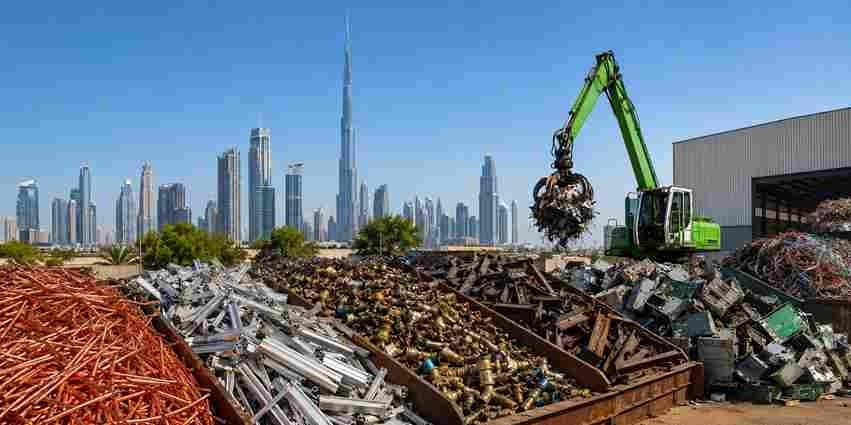
Dubai has become one of the Middle East’s leading centers for construction, manufacturing, logistics, and industrial development. As these industries continue to grow, they generate significant quantities of recyclable materials, making Scrap Buying & Recycling in Dubai an essential part of the city’s sustainable waste management system. From residential renovations to large industrial demolition projects, scrap metals and other recyclable materials can be collected, processed, and returned to manufacturing industries instead of being sent to landfill sites.
Understanding how Scrap Buying & Recycling in Dubai works helps homeowners, businesses, factories, contractors, warehouses, and property managers make informed decisions when selling recyclable materials. Professional scrap buyers evaluate materials based on their type, quality, quantity, and current market demand before providing a quotation. Whether you are selling copper cables, aluminium sheets, steel structures, brass fittings, batteries, air conditioners, or industrial machinery, knowing the recycling process allows you to maximize value while supporting environmental sustainability.
This comprehensive guide explains how scrap buying works in Dubai, the different types of recyclable materials, how professional recyclers inspect scrap, the factors that influence recycling values, and practical tips for choosing a trusted scrap buyer. By understanding these processes, sellers can prepare their materials correctly and contribute to Dubai’s growing circular economy.
Why Scrap Recycling Is Important in Dubai
Dubai’s rapid urban development creates thousands of tonnes of recyclable waste every year. Construction projects, infrastructure upgrades, manufacturing facilities, commercial buildings, shopping centers, warehouses, hotels, and residential communities regularly replace equipment, renovate properties, and upgrade machinery. These activities generate valuable recyclable materials that can be recovered instead of being discarded.
Professional recycling companies play a vital role by collecting, sorting, processing, and supplying recyclable materials back to manufacturers. This reduces landfill waste, conserves natural resources, lowers energy consumption, and supports Dubai’s environmental sustainability goals. Recycling also helps businesses recover value from materials that are no longer needed while promoting responsible waste management throughout the UAE.
What Does a Scrap Buyer Do?
Many people think a scrap buyer simply purchases unwanted materials, but professional recycling companies provide much more than collection services. A reputable scrap buyer evaluates recyclable materials, determines their quality, arranges transportation, performs accurate weighing, and ensures materials are processed responsibly through licensed recycling facilities.
The inspection process begins by identifying the type of scrap being offered. Different materials have different recycling methods and market demand, so each category is assessed separately. Professional buyers also examine cleanliness, contamination, quantity, and overall condition before calculating a quotation based on current recycling market conditions.
Many scrap buyers in Dubai also offer on-site collection services for businesses, factories, construction sites, warehouses, offices, hotels, and residential properties. This makes recycling more convenient while ensuring large quantities of scrap are transported safely and efficiently.
Common Types of Scrap Bought in Dubai
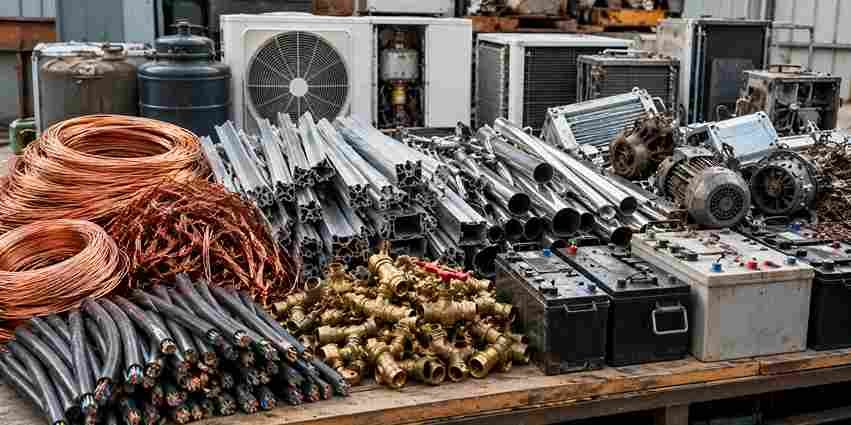
Dubai’s recycling industry accepts a wide variety of recyclable materials from both commercial and residential customers. Professional recycling companies evaluate each material according to its composition and recycling requirements.
Some of the most commonly recycled materials include:
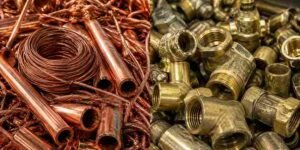
- Copper scrap
- Aluminium scrap
- Brass scrap
- Stainless steel scrap
- Iron and steel scrap
- Battery scrap
- Air conditioner scrap
- Electrical cable scrap
- Machinery scrap
- Construction scrap
- Industrial scrap
- Electronic waste (E-waste)
- Plastic scrap
- Scrap motors
- Radiator scrap
- Compressor scrap
- Generator scrap
- Factory equipment
- Warehouse metal scrap
- Office equipment
- Demolition scrap
How the Scrap Buying Process Works
Selling scrap in Dubai is a straightforward process when working with an experienced recycling company. Although every project differs depending on the material and quantity involved, most professional buyers follow a structured workflow that ensures transparency and efficiency.
Initial Inquiry
The process usually begins when the seller contacts a recycling company and provides basic information about the available scrap. This includes the type of material, estimated quantity, location, and any photographs that help identify the scrap.
Material Inspection
After reviewing the information, professional recyclers inspect the materials either on-site or at their recycling facility. During this inspection, they identify the type of scrap, assess its condition, check for contamination, and estimate the recoverable materials.
Accurate Weighing
Once the inspection is complete, recyclable materials are weighed using calibrated digital weighing equipment. Accurate weighing ensures transparency and provides the basis for calculating the quotation.
Quotation
The buyer prepares a quotation based on the type of scrap, quantity, quality, and current market conditions. Professional companies explain the valuation process clearly so sellers understand how the quotation has been determined.
Collection and Transportation
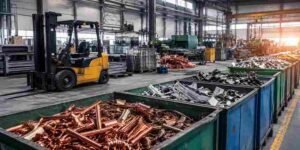
If the quotation is accepted, the recycling company arranges collection using suitable vehicles and equipment. Large industrial collections may require cranes, forklifts, or specialized transport depending on the type of scrap being removed.
Factors That Affect Scrap Prices in Dubai
Many people believe scrap prices are fixed, but in reality, they fluctuate based on several market and material-related factors. Professional scrap buyers evaluate each load individually before providing a quotation. Understanding these factors helps sellers prepare their materials properly and gives them a clearer idea of how the recycling industry determines value.
The price of recyclable materials depends on much more than weight alone. Material purity, quantity, market demand, transportation costs, and overall condition all contribute to the final valuation. Businesses that organize their scrap and maintain good storage practices often experience a faster inspection process and receive more accurate quotations.
The main factors that influence scrap prices include:
- Type of scrap material
- Material purity
- Quantity available
- Current metal market prices
- Level of contamination
- Transportation requirements
- Ease of recycling
- Industrial demand
- Global commodity prices
- Overall condition of the scrap
Although market prices change regularly, these factors remain the foundation of professional scrap valuation across Dubai.
Which Scrap Materials Have the Highest Value?
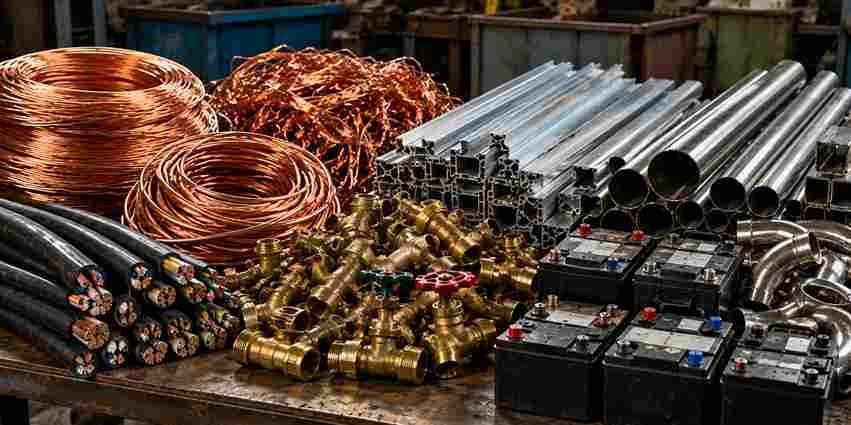
Not all recyclable materials have the same market value. Some metals are more valuable because they are easier to recycle, have higher purity levels, or are in greater demand across manufacturing industries. Understanding which materials generally have higher recycling value helps businesses identify opportunities to recover more from their unused equipment and industrial waste.
Among the most valuable recyclable materials, copper is widely recognized because of its excellent conductivity and extensive use in electrical systems, construction projects, and industrial machinery. Brass and aluminium are also highly sought after due to their durability, corrosion resistance, and wide range of manufacturing applications. Stainless steel, batteries, compressors, and industrial machinery components may also offer strong recycling potential depending on their condition and material composition.
Businesses should avoid mixing valuable metals with lower-value materials, as proper sorting allows professional recyclers to assess each category accurately and process them more efficiently.
Industries That Generate Scrap in Dubai
Dubai’s diverse economy produces recyclable materials across many different sectors. As industries continue expanding, large volumes of metal, plastic, electrical equipment, and machinery reach the end of their useful life and become suitable for recycling.
Common industries that generate recyclable scrap include:
- Construction companies
- Demolition contractors
- Manufacturing factories
- Oil and gas facilities
- Warehouses
- Logistics companies
- Hotels and resorts
- Shopping malls
- Hospitals
- Educational institutions
- Government buildings
- Commercial offices
- Automotive workshops
- Marine industries
- Telecommunications companies
- Property management firms
- Facility maintenance companies
These organizations regularly replace equipment, renovate buildings, upgrade infrastructure, or dispose of obsolete machinery, creating valuable opportunities for professional recycling.
Environmental Benefits of Scrap Recycling
Scrap recycling offers significant environmental benefits that extend far beyond recovering valuable materials. Every tonne of recycled metal reduces the demand for mining, conserves natural resources, and lowers the amount of waste sent to landfill sites. These practices support sustainable development and help preserve raw materials for future generations.
Recycling also requires less energy than producing metals from newly mined ore. Manufacturing products from recycled copper, aluminium, steel, and brass typically consumes substantially less energy than extracting and processing virgin materials. This reduction in energy use contributes to lower greenhouse gas emissions and supports cleaner industrial production.
For Dubai, where sustainability and resource efficiency are key priorities, professional recycling companies play an important role in helping businesses achieve responsible waste management while supporting the UAE’s long-term environmental objectives.
Common Mistakes When Selling Scrap
Many sellers unintentionally reduce the value of their recyclable materials by making avoidable mistakes before collection. Proper preparation not only simplifies the inspection process but also helps professional recyclers assess materials more accurately.
Some of the most common mistakes include:
Mixing Different Metals
Combining copper, aluminium, brass, steel, and other materials makes sorting more difficult and can reduce inspection efficiency.
Allowing Contamination
Paint, plastic, rubber, concrete, wood, or other contaminants attached to scrap may increase processing requirements.
Poor Storage
Leaving scrap exposed to rain, moisture, or dirt may affect its condition and make handling more difficult.
Selling Without Comparing Buyers
Requesting quotations from experienced recycling companies provides a better understanding of current market conditions and available services.
Underestimating Quantity
Providing an approximate quantity before collection allows recycling companies to prepare the appropriate transport equipment and manpower.
By avoiding these common mistakes, businesses can make the recycling process safer, faster, and more organized while improving the overall presentation of their recyclable materials.
Why Choosing a Professional Scrap Buyer Matters
Choosing the right scrap buyer is one of the most important decisions when selling recyclable materials. While many companies offer scrap collection services, not all follow the same standards for inspection, weighing, transportation, and recycling. An experienced recycling company provides transparent evaluations, professional customer service, and environmentally responsible recycling practices that benefit both the seller and the environment.
Professional scrap buyers invest in trained staff, calibrated weighing equipment, specialized collection vehicles, and organized recycling facilities. Their experience enables them to identify different grades of recyclable materials accurately and explain the valuation process clearly. This transparency helps sellers understand how their quotation has been calculated and builds confidence throughout the recycling process.
Working with an established recycling company also reduces delays, improves collection efficiency, and ensures recyclable materials are handled safely from pickup to final processing. Whether you are selling residential scrap or large industrial quantities, choosing a reliable recycling partner contributes to a smoother and more professional experience.
Tips for Getting the Best Value for Your Scrap
Preparing your recyclable materials before collection can make the inspection process more efficient and help professional buyers evaluate each category accurately. Although market prices fluctuate, proper organization and responsible handling support a fair assessment and reduce unnecessary delays during collection.
Businesses and homeowners can improve the recycling process by following a few practical steps before contacting a scrap buyer.
Separate Different Scrap Types
Keep copper, aluminium, brass, steel, batteries, cables, machinery, and electronic waste in separate groups. Proper sorting simplifies inspection and allows each material to be assessed according to its specific recycling requirements.
Store Scrap Properly
Keep recyclable materials in a clean, dry, and secure location. Protecting scrap from unnecessary moisture, dirt, or contamination helps maintain its condition until collection.
Remove Non-Recyclable Waste
Where practical, separate obvious non-recyclable materials such as wood, plastic packaging, insulation, or general rubbish from recyclable scrap. Cleaner materials are easier to inspect and process.
Estimate the Quantity
Providing an approximate weight or volume before collection helps recycling companies prepare suitable transportation equipment and schedule collection more efficiently.
Request a Professional Inspection
If you are unsure about the type or value of your recyclable materials, arrange an inspection with an experienced scrap buyer. Professional assessments provide greater clarity before collection begins.
The Future of Scrap Buying & Recycling in Dubai (2026 and Beyond)
Dubai continues to invest heavily in sustainability, smart city initiatives, and responsible waste management. As construction, manufacturing, renewable energy, and infrastructure projects expand, the volume of recyclable materials generated across the city is expected to increase steadily over the coming years.
Advances in recycling technology are also improving the way recyclable materials are identified, sorted, and processed. Automated sorting systems, digital inventory management, AI-assisted material recognition, and improved metal recovery techniques are helping recycling facilities operate more efficiently while reducing waste. These innovations enable recyclers to recover a greater percentage of valuable materials from complex products such as electronic equipment, industrial machinery, batteries, and air-conditioning systems.
Businesses are also becoming more environmentally conscious, recognizing that responsible recycling supports corporate sustainability goals and contributes to the circular economy. Instead of treating scrap as waste, more organizations now view recyclable materials as valuable resources that can be recovered, reused, and returned to manufacturing. This shift is expected to strengthen the recycling industry further and create new opportunities for businesses that prioritize responsible waste management.
| Step | What Happens | Why It Matters |
|---|---|---|
| Contact the Scrap Buyer | Share details about the scrap type, quantity, and location. | Helps schedule inspection and collection efficiently. |
| Material Inspection | Professionals identify the scrap type, condition, and recyclability. | Ensures accurate grading and transparent evaluation. |
| Digital Weighing | Materials are weighed using calibrated digital scales. | Provides an accurate basis for the quotation. |
| Quotation | A price is calculated based on material type, quantity, and market conditions. | Offers transparency and fair valuation. |
| Collection & Transportation | Scrap is collected using appropriate vehicles and equipment. | Ensures safe and efficient removal from the site. |
| Sorting & Recycling | Materials are separated and processed for reuse. | Supports resource conservation and sustainable manufacturing. |
Frequently Asked Questions
1. What types of scrap can be sold to professional scrap buyers in Dubai?
Professional scrap buyers in Dubai accept a wide variety of recyclable materials from residential, commercial, and industrial sources. Common materials include copper scrap, aluminium scrap, brass scrap, stainless steel, iron and steel, electrical cables, battery scrap, air conditioner scrap, machinery scrap, construction scrap, electronic waste, plastic scrap, generators, compressors, motors, and factory equipment. The accepted materials may vary depending on the recycling company’s services and processing capabilities.
2. How are scrap prices determined in Dubai?
Scrap prices are based on several important factors rather than weight alone. Professional buyers evaluate the type of material, purity, quantity, condition, ease of recycling, transportation requirements, and current market demand before preparing a quotation. Global commodity prices and local industrial demand may also influence the value of recyclable materials. This is why quotations can vary depending on the characteristics of each scrap load.
3. Should I separate different types of scrap before collection?
Yes. Separating recyclable materials before collection makes the inspection process faster and more accurate. Keeping copper, aluminium, brass, stainless steel, batteries, electrical cables, machinery, and electronic waste in separate groups allows professional recyclers to identify each material correctly and process it more efficiently. Proper organization also helps reduce contamination and supports responsible recycling practices.
Why is professional scrap recycling important?
Professional scrap recycling helps recover valuable raw materials that can be reused in manufacturing instead of being discarded. Recycling reduces landfill waste, conserves natural resources, lowers energy consumption, and supports environmental sustainability. It also helps businesses manage waste responsibly while contributing to Dubai’s growing circular economy and long-term sustainability initiatives.
How do I choose the right scrap buyer in Dubai?
Look for a recycling company that offers transparent weighing, experienced inspection, reliable collection services, competitive market prices, and environmentally responsible recycling practices. A professional scrap buyer should explain the valuation process clearly, provide safe transportation, and handle recyclable materials using proper recycling procedures. Choosing an experienced company helps ensure a smooth, efficient, and trustworthy recycling experience.
Conclusion
As Dubai continues to grow as a global hub for construction, manufacturing, and industry, Scrap Buying & Recycling in Dubai plays an increasingly important role in sustainable waste management. Recycling valuable materials such as copper, aluminium, brass, steel, batteries, and machinery helps conserve natural resources while reducing landfill waste and supporting a cleaner environment.
Whether you are a homeowner, contractor, warehouse operator, or industrial business, choosing a professional scrap buyer ensures your recyclable materials are handled safely and responsibly. Proper sorting, transparent weighing, and environmentally friendly recycling practices help maximize value while contributing to Dubai’s circular economy.
If you’re looking for a trusted Scrap Buyer in Dubai, BestScrapBuyer offers fast scrap collection, competitive market prices, transparent digital weighing, and professional recycling services across Dubai. Call us today at +971 50 997 3816 for a free quotation and let our experienced team help you recycle your scrap quickly, safely, and responsibly.