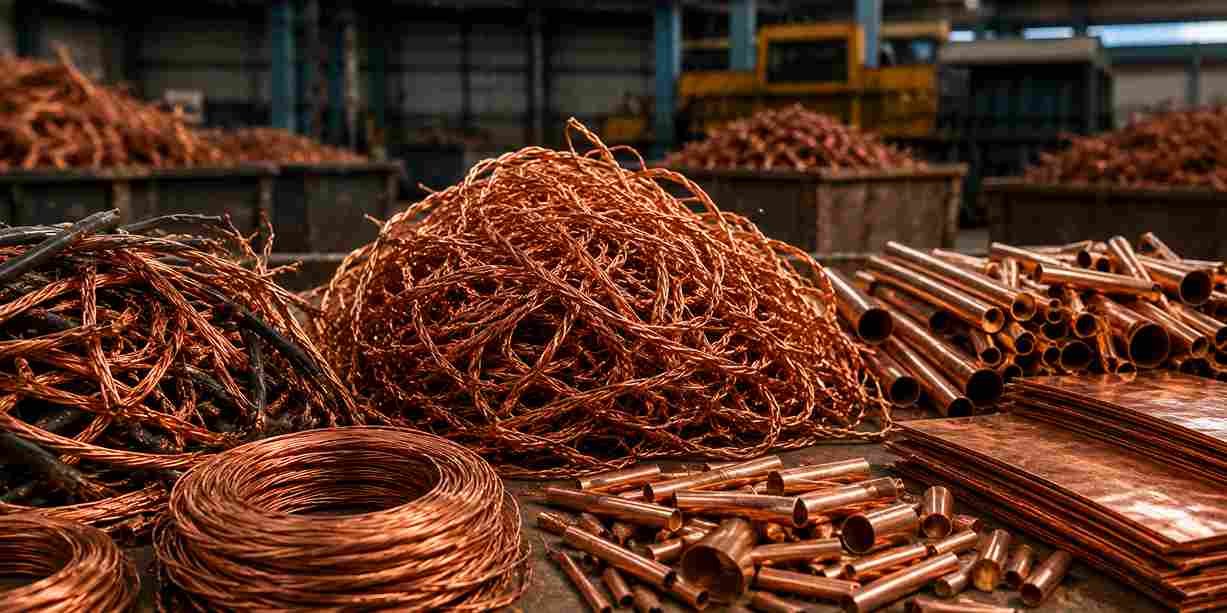
Copper is one of the most valuable and widely recycled metals in the world. It is used extensively in electrical systems, construction projects, telecommunications networks, industrial machinery, plumbing systems, and renewable energy applications. Because of its excellent conductivity and durability, copper continues to play a critical role in modern infrastructure and manufacturing.
As industries continue to generate large amounts of recyclable metal waste, copper scrap has become an important resource for recycling companies and manufacturers. Recycling copper not only helps conserve natural resources but also reduces production costs and environmental impact. Understanding the value of copper scrap can help businesses, contractors, and property owners make informed decisions when disposing of unwanted materials.
Understanding Copper Scrap and Its Role in Modern Recycling
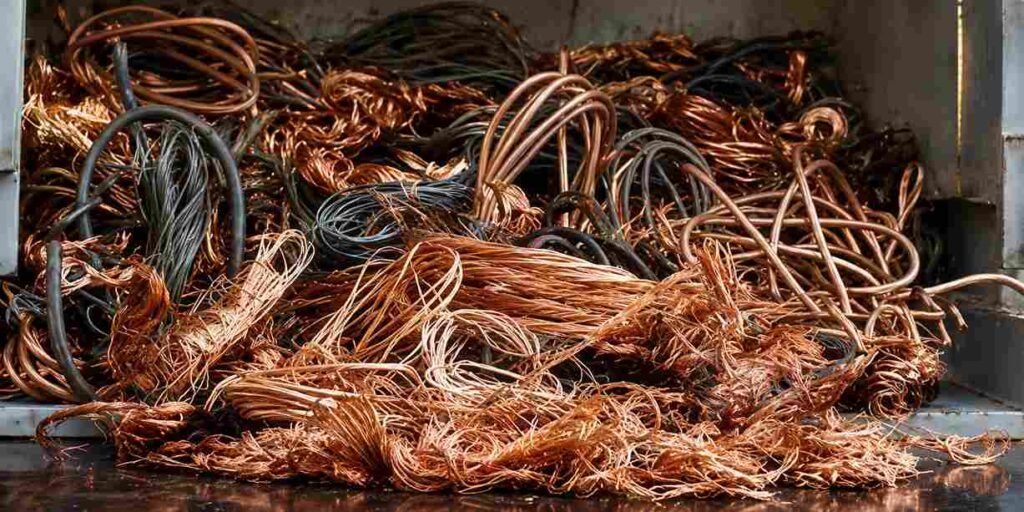
Copper scrap refers to any discarded or unused copper material that can be collected, processed, and recycled for future use. Unlike many other materials, copper can be recycled repeatedly without losing its physical properties or performance. This makes it one of the most sustainable metals available in the recycling industry.
Common sources of copper scrap include electrical wiring, copper cables, plumbing pipes, industrial machinery, transformers, motors, air conditioning systems, and manufacturing waste. These materials often retain significant value even after their original purpose has ended.
The global demand for recycled copper continues to grow because manufacturers can use recycled copper in place of newly mined copper. This reduces the need for mining activities while supporting sustainable industrial production.
Different Types of Copper Scrap and Their Applications
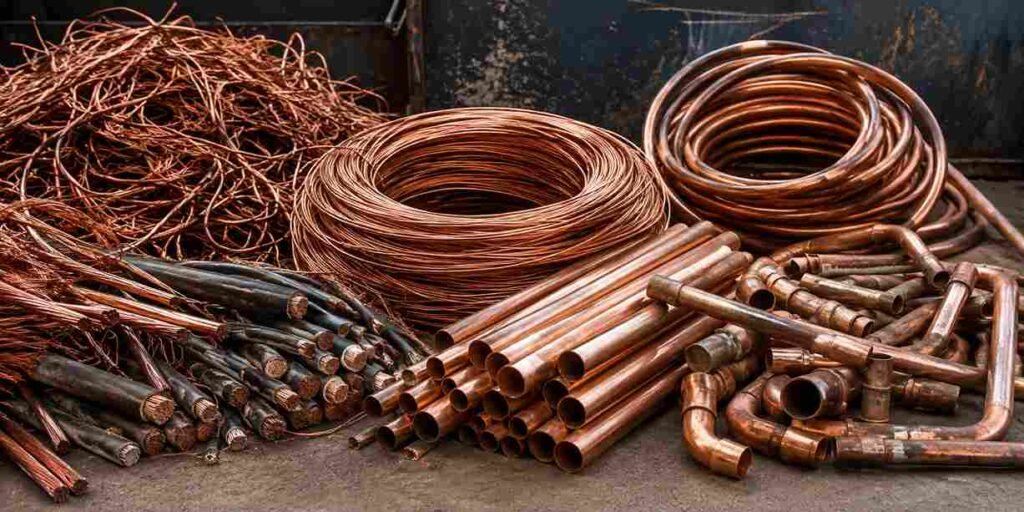
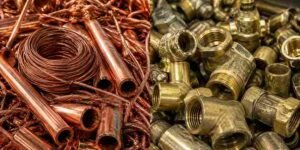
Various grades of copper scrap including copper wire scrap, bare bright copper, pipes, and copper coils
Not all copper scrap is the same. Different grades of copper materials have different values depending on purity, condition, and intended applications.
Bare Bright Copper
Bare bright copper is considered one of the highest-quality forms of recyclable copper. It consists of clean, uncoated, and uncontaminated copper wire with high conductivity and purity.
Copper Wire Scrap
Copper wire scrap is commonly recovered from electrical installations, building renovations, and industrial projects. After processing, these materials can be reused in electrical manufacturing.
Copper Cable Scrap
Copper cable scrap contains valuable copper conductors protected by insulation materials. Recycling facilities separate the copper from insulation to recover reusable metal.
Copper Pipes and Plumbing Materials
Copper pipes are widely used in residential and commercial plumbing systems. Renovation and demolition projects often generate significant quantities of recyclable copper piping.
Industrial Copper Scrap
Factories, manufacturing plants, and industrial facilities generate copper waste from machinery, transformers, motors, and production processes. These materials represent a valuable source of recyclable copper.
Why Copper Scrap Has High Market Value
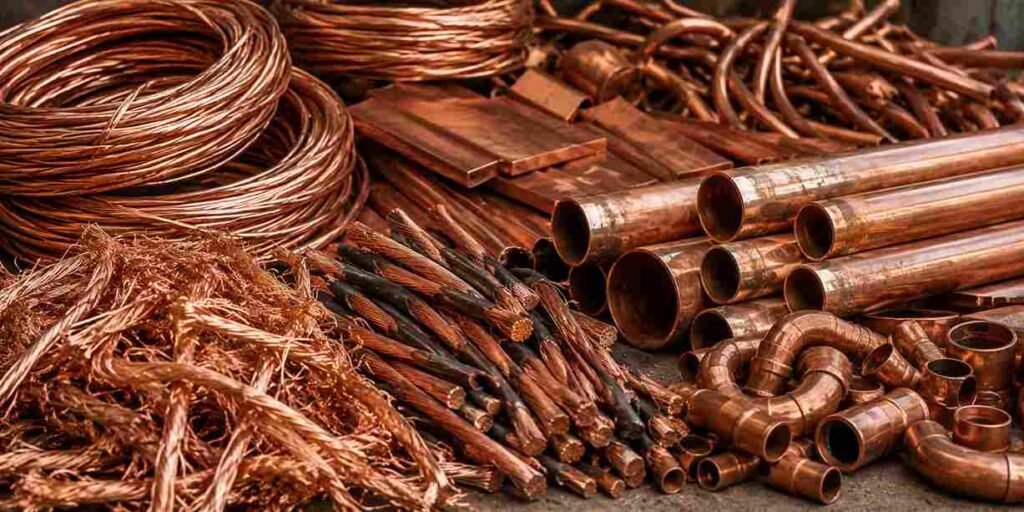
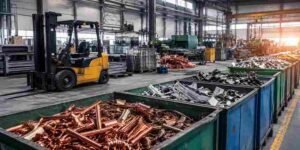
Industrial copper recycling process with copper coils and manufacturing equipment
Several factors contribute to the high value of copper scrap in global recycling markets.
First, copper has excellent electrical and thermal conductivity, making it essential for electrical systems, renewable energy technologies, electronics, and industrial applications. This consistent demand helps maintain strong market value.
Second, copper is highly durable and corrosion-resistant. Recycled copper performs almost identically to newly mined copper, making it an attractive option for manufacturers seeking cost-effective raw materials.
Third, copper recycling requires significantly less energy than producing copper from mined ore. This energy efficiency reduces manufacturing costs and supports environmental sustainability.
As industries continue to prioritize resource conservation and sustainable production methods, the demand for recycled copper remains strong worldwide.
Environmental and Economic Benefits of Copper Recycling
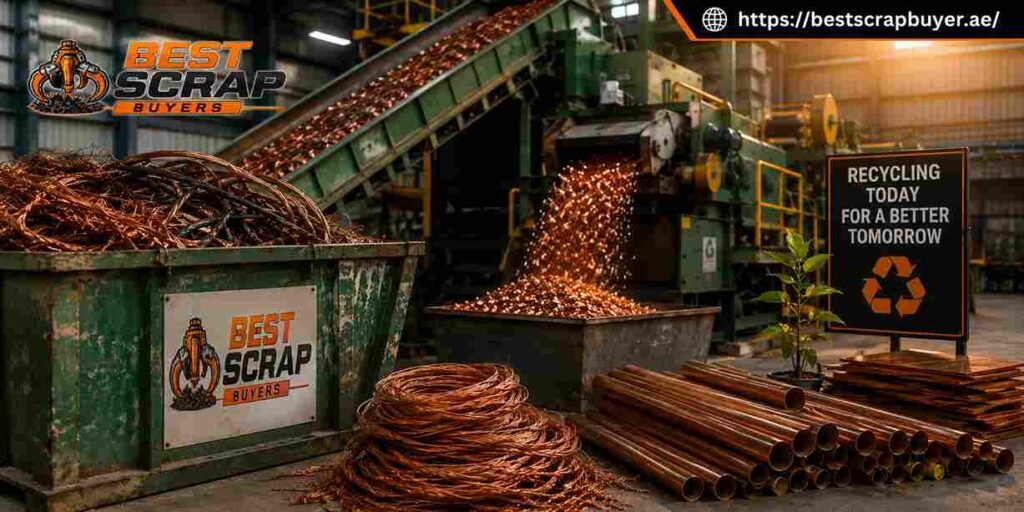
Modern copper recycling facility processing recyclable copper materials
Copper recycling provides important environmental benefits by reducing landfill waste, lowering greenhouse gas emissions, and decreasing dependence on natural resource extraction.
Mining operations require substantial amounts of energy, water, and land resources. By recycling copper scrap, industries can reduce environmental disruption while preserving valuable natural resources for future generations.
From an economic perspective, copper recycling creates employment opportunities, supports manufacturing industries, and provides businesses with a cost-effective source of raw materials. Property owners, contractors, and industrial facilities can also generate additional revenue by selling recyclable copper materials instead of discarding them.
The combination of environmental responsibility and financial value makes copper recycling one of the most beneficial practices within the modern recycling industry.
Factors That Affect Copper Scrap Prices
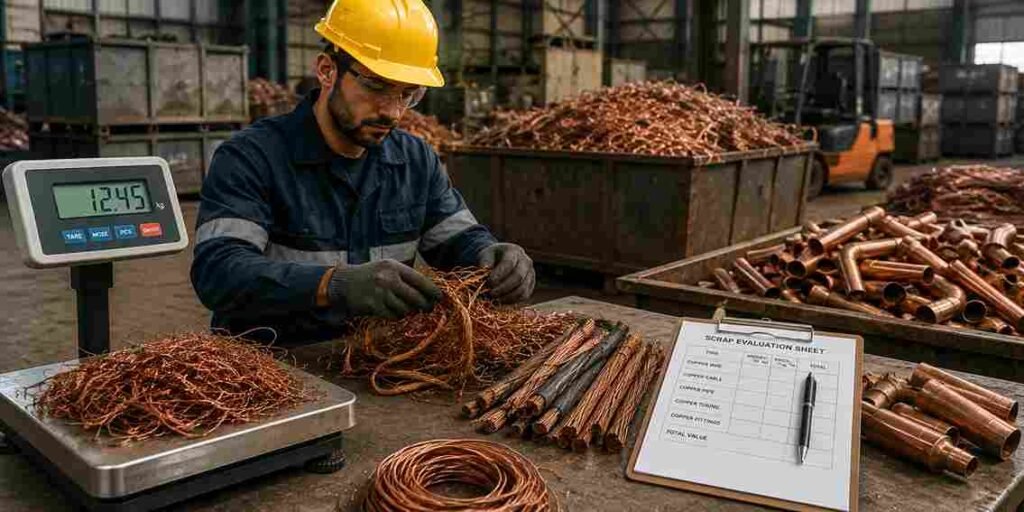
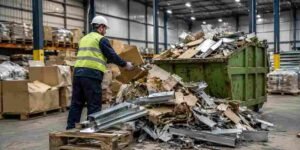
Copper scrap valuation and weighing process at a recycling facility
The value of copper scrap can vary depending on several market and material-related factors.
Material Purity
Higher-purity copper materials generally command better prices because they require less processing before reuse.
Copper Grade
Different categories of copper scrap, such as bare bright copper, copper wire scrap, and mixed copper materials, have varying market values.
Quantity Available
Large quantities of copper scrap often receive more competitive valuations due to economies of scale in collection and processing.
Market Demand
Global copper demand from construction, manufacturing, renewable energy, and electrical industries can influence recycling prices.
Material Condition
Clean and properly sorted copper materials are typically more valuable than contaminated or mixed scrap materials.
Understanding these factors can help sellers maximize the value of their recyclable copper materials.
Common Sources of Recyclable Copper Scrap
| Source | Copper Material |
|---|---|
| Electrical Systems | Copper wires and cables |
| Plumbing Systems | Copper pipes and fittings |
| Air Conditioning Units | Copper coils and tubing |
| Industrial Machinery | Copper motors and transformers |
| Manufacturing Facilities | Production scrap and offcuts |
| Construction Projects | Electrical and plumbing materials |
Frequently Asked Questions
What is considered copper scrap?
Copper scrap includes discarded copper wires, cables, pipes, coils, sheets, electrical components, industrial machinery parts, and other copper-containing materials that can be recycled and reused.
Why is copper scrap so valuable?
Copper is highly conductive, durable, and widely used in multiple industries. Because recycled copper retains its original properties, manufacturers continue to rely on recycled materials to meet production demands.
Can copper be recycled more than once?
Yes. Copper can be recycled repeatedly without losing its quality, conductivity, or performance characteristics, making it one of the most sustainable recyclable metals.
What industries use recycled copper?
Recycled copper is used in construction, electrical manufacturing, renewable energy systems, telecommunications, automotive production, electronics, and industrial machinery manufacturing.
What affects copper scrap prices?
Copper scrap prices are influenced by material purity, copper grade, quantity, market demand, and overall condition of the recyclable materials.
Conclusion
Copper scrap continues to play an important role in modern recycling due to its high value, durability, and widespread industrial use. Recycling copper helps conserve natural resources, reduce environmental impact, and support sustainable manufacturing practices.
Whether you have copper wires, cables, pipes, or industrial copper materials, professional recycling can help you maximize their value. Contact Best Scrap Buyer today at +971 0509973816 for expert copper scrap collection, competitive prices, and reliable recycling services across Dubai.