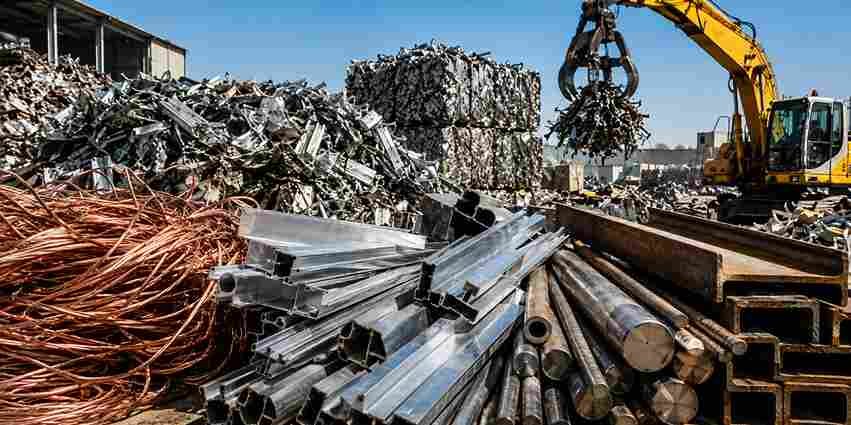
Scrap metal recycling has become an essential part of modern business operations across Dubai. Every day, factories, warehouses, construction companies, manufacturing plants, engineering workshops, hotels, and commercial facilities generate significant amounts of recyclable metal. Instead of treating these materials as waste, businesses can recover valuable resources through professional recycling services while supporting sustainable waste management and environmental responsibility. Understanding why businesses should recycle scrap metal helps organisations improve operational efficiency, reduce unnecessary waste, and contribute to Dubai’s growing circular economy.
Professional scrap recycling does much more than remove unwanted materials from a business premises. Recyclable metals such as copper, aluminium, brass, stainless steel, iron, electrical cables, machinery, and construction scrap are carefully inspected, sorted, weighed, and processed so they can be used again in manufacturing. This reduces the demand for newly mined raw materials, conserves natural resources, lowers industrial energy consumption, and supports environmentally responsible production. Whether your business generates small quantities of scrap or manages large industrial projects, recycling offers long-term operational and environmental benefits.
Why Scrap Metal Recycling Matters for Businesses
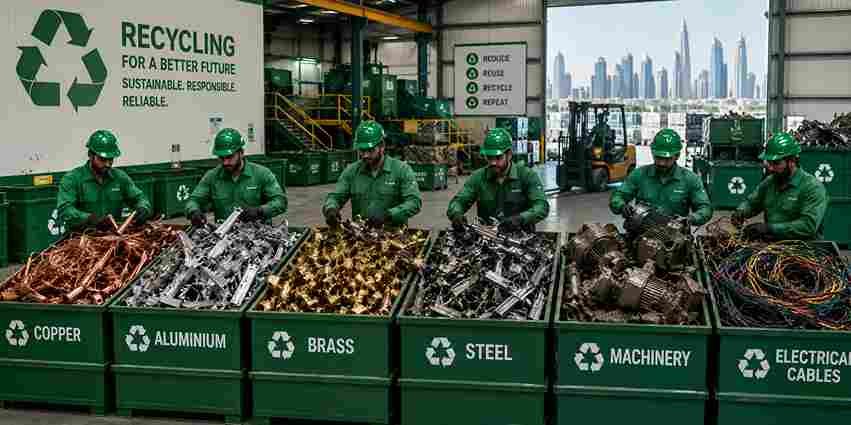
Many businesses focus on daily operations without recognising the long-term value of recyclable materials generated during production, maintenance, renovations, or equipment replacement. Metal waste often accumulates gradually in warehouses, workshops, construction sites, and factory yards. By implementing a structured recycling process, businesses can keep their facilities organised while ensuring recyclable materials are recovered instead of occupying valuable storage space.
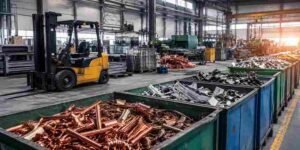
Professional recycling companies use specialised equipment to inspect, classify, and process different metal types according to industry standards. Copper, aluminium, brass, stainless steel, steel, batteries, machinery, and electrical cables are all recycled using different recovery methods to maximise material reuse. This organised approach improves operational efficiency while supporting responsible environmental management.
Reduces Industrial Waste
One of the biggest advantages of scrap metal recycling is reducing the amount of industrial waste sent to landfill. Manufacturing facilities, engineering workshops, construction companies, logistics centres, and commercial businesses generate metal offcuts, damaged equipment, worn-out machinery, pipes, cables, and structural materials throughout normal operations. Without proper recycling, these valuable materials occupy unnecessary space and increase waste management challenges.
Recycling allows businesses to recover valuable metals while maintaining a cleaner, safer, and more organised workplace. Proper waste segregation also simplifies inventory management, improves housekeeping, and supports efficient day-to-day operations.
Conserves Natural Resources
Producing new metal from raw ore requires mining, transportation, and extensive industrial processing. Recycling existing metals reduces the need to extract additional natural resources because copper, aluminium, steel, brass, and many other metals can be recycled repeatedly without losing their essential properties. This helps preserve valuable raw materials for future generations while reducing pressure on global mining activities.
Businesses that recycle scrap metal contribute directly to resource conservation by returning valuable materials to the manufacturing supply chain. Instead of becoming waste, recyclable metals continue supporting the production of new buildings, vehicles, machinery, electrical systems, and consumer products.
Supports Sustainable Manufacturing
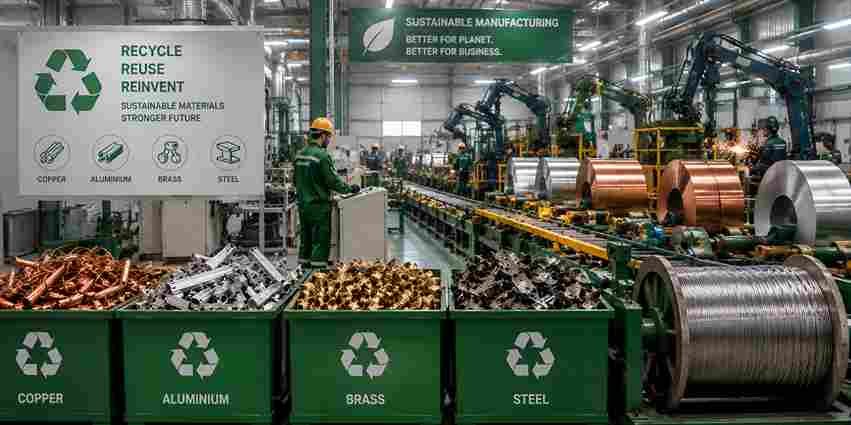
One of the biggest reasons why businesses should recycle scrap metal is its contribution to sustainable manufacturing. Recycled metals are widely used to produce new construction materials, electrical components, machinery, automotive parts, and industrial equipment. Because metals can be recycled repeatedly without losing their essential properties, they remain valuable resources throughout their lifecycle. This continuous reuse reduces dependence on newly mined raw materials while supporting a more efficient manufacturing process.
For businesses, participating in the recycling chain demonstrates a commitment to responsible resource management. Every tonne of copper, aluminium, brass, stainless steel, or iron recycled helps manufacturers recover valuable materials that can be returned to production. This process supports both economic growth and environmental sustainability while reducing unnecessary industrial waste.
Improves Workplace Safety
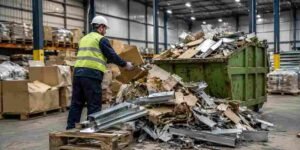
Accumulated scrap metal can create unnecessary hazards inside factories, warehouses, workshops, and construction sites. Loose metal offcuts, damaged machinery, old pipes, electrical cables, and discarded equipment may obstruct work areas, increase the risk of injuries, and make day-to-day operations less efficient. Establishing a regular recycling schedule helps businesses maintain cleaner, safer, and better-organised workplaces.
Professional scrap collection services remove unwanted materials before they become a safety concern. Keeping recyclable metals separated and stored correctly also improves inventory management and creates more usable working space for employees. A well-maintained workplace not only supports productivity but also reflects a company’s commitment to health, safety, and operational excellence.
Helps Businesses Recover Value from Scrap
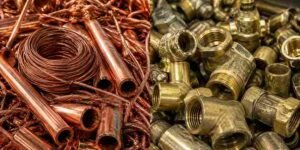
Many businesses overlook the value stored in unwanted metal materials. Copper cables, aluminium profiles, brass valves, stainless steel equipment, machinery, electrical motors, construction steel, and industrial components all contain recyclable metals that continue to have value after their original use has ended. Rather than treating these materials as waste, businesses can recover value by working with professional recycling companies.
Experienced scrap buyers inspect, sort, and weigh recyclable materials individually because every metal has different recycling characteristics. Proper classification helps ensure valuable materials are recovered efficiently while simplifying the overall recycling process. Businesses also benefit from freeing up storage space and improving operational efficiency by removing obsolete equipment and surplus materials.
Supports Environmental Responsibility
Choosing professional recycling services also ensures recyclable materials are handled using industry best practices. Metals such as copper, aluminium, brass, iron, and stainless steel are recovered efficiently instead of becoming environmental waste. This supports Dubai’s long-term sustainability initiatives while strengthening a company’s environmental credentials.
Environmental responsibility has become an important priority for businesses across every industry. Customers, investors, and business partners increasingly value organisations that demonstrate sustainable operating practices. Recycling scrap metal helps reduce landfill waste, conserve natural resources, and decrease the demand for energy-intensive raw material extraction, making it an effective way for businesses to contribute to environmental protection.
Enhances Corporate Sustainability Goals
Many organisations now include sustainability as part of their long-term business strategy. Recycling scrap metal supports Environmental, Social, and Governance (ESG) objectives by reducing waste generation, improving resource efficiency, and promoting responsible environmental practices. Businesses that implement structured recycling programmes often strengthen their reputation among customers, suppliers, and stakeholders while demonstrating a commitment to sustainable growth.
Integrating recycling into daily operations also encourages employees to adopt responsible waste management practices. Over time, these improvements help create a workplace culture focused on efficiency, sustainability, and continuous environmental improvement.
Common Mistakes Businesses Make When Managing Scrap Metal
Many businesses generate recyclable metal every day but fail to manage it efficiently. One of the most common mistakes is mixing different types of scrap together. Copper, aluminium, brass, stainless steel, iron, batteries, and electrical cables all have different recycling processes. Keeping these materials separated makes inspection, handling, and recycling much more efficient while reducing unnecessary processing time.
Another frequent mistake is allowing scrap to accumulate outdoors without proper storage. Exposure to moisture, dirt, chemicals, or construction debris can contaminate recyclable materials and make collection more difficult. Businesses should also avoid delaying scrap removal for long periods, as large piles of unused materials occupy valuable workspace and may create unnecessary safety risks within warehouses, factories, and construction sites.
Benefits of Recycling Scrap Metal for Businesses
| Business Benefit | How It Helps | Long-Term Impact |
|---|---|---|
| Reduces Industrial Waste | Keeps facilities clean and organised. | Improves workplace efficiency. |
| Conserves Natural Resources | Reuses valuable recyclable metals. | Supports sustainable manufacturing. |
| Improves Workplace Safety | Removes unwanted metal waste. | Creates a safer working environment. |
| Optimises Storage Space | Frees valuable warehouse space. | Supports better operational efficiency. |
| Supports Sustainability Goals | Reduces landfill waste and emissions. | Strengthens environmental responsibility. |
| Professional Recycling Process | Efficient inspection and collection. | Reliable long-term recycling partnership. |
Frequently Asked Questions
1. Why should businesses recycle scrap metal instead of disposing of it?
Recycling allows valuable metals such as copper, aluminium, brass, steel, and stainless steel to be recovered and reused in manufacturing. It reduces landfill waste, supports sustainable resource management, and improves workplace organisation.
2. Which businesses benefit the most from scrap metal recycling?
Factories, manufacturing plants, warehouses, construction companies, engineering workshops, hotels, offices, retail stores, logistics companies, and demolition contractors can all benefit from professional scrap metal recycling services.
3. What types of scrap metal can businesses recycle?
Businesses can recycle copper, aluminium, brass, stainless steel, iron, steel beams, electrical cables, machinery, motors, batteries, air conditioners, construction materials, and many other industrial metal products.
4. How often should businesses arrange scrap collection?
The collection schedule depends on the quantity of recyclable materials generated. Many businesses arrange regular weekly or monthly collections, while larger industrial facilities may require more frequent pickups.
5. Why should businesses work with a professional scrap buyer?
Professional scrap buyers provide organised collection, transparent digital weighing, proper material inspection, environmentally responsible recycling, and efficient handling of commercial and industrial recyclable materials.
Conclusion
Understanding why businesses should recycle scrap metal helps organisations improve operational efficiency while supporting environmentally responsible waste management. Recycling valuable materials such as copper, aluminium, brass, steel, machinery, and electrical cables reduces industrial waste, conserves natural resources, improves workplace safety, and contributes to Dubai’s growing circular economy.
If your business is looking for a trusted Scrap Buyer in Dubai, BestScrapBuyer offers professional scrap collection, transparent digital weighing, competitive market prices, and environmentally responsible recycling services across Dubai. Contact us today for a free quotation or call +971 50 997 3816 to arrange fast, reliable, and hassle-free commercial scrap collection.