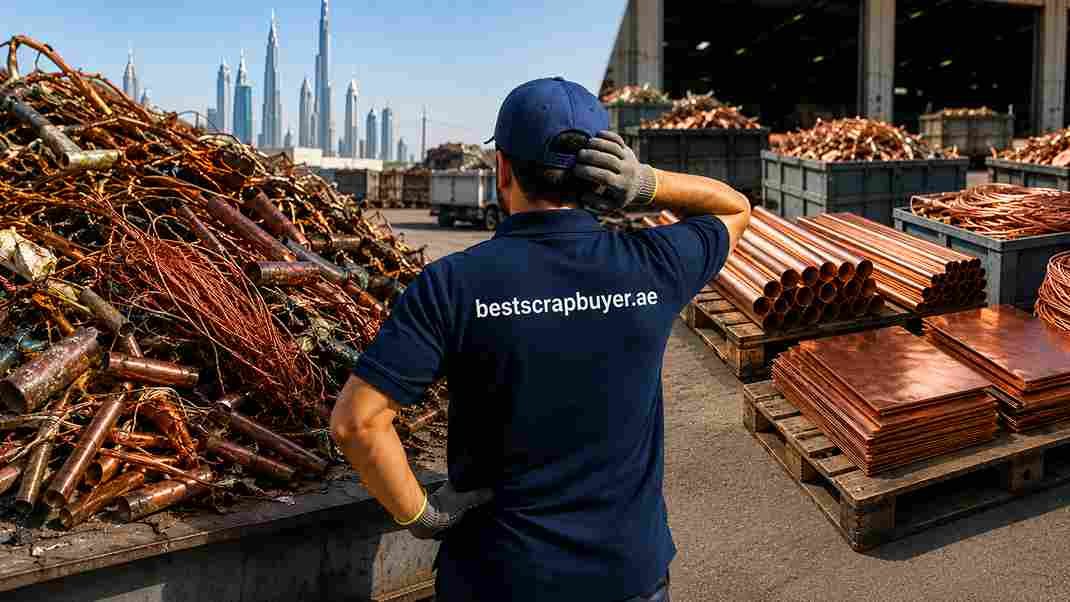
Selling copper scrap may seem straightforward, but avoiding common mistakes when selling copper scrap is essential if you want to maximize the value of your recyclable materials. Whether you are clearing old electrical wiring from a renovation project or disposing of industrial copper waste, understanding the correct selling process can make a noticeable difference in the final payment. Even high-quality copper can receive a lower valuation if it is not prepared, sorted, or presented properly before inspection.
This guide explains the most common mistakes sellers make when recycling copper and how to avoid them. You will learn practical tips for preparing your materials, understanding copper grades, comparing offers, and working with the right recycling partner. By following these recommendations, you can maximize the value of your copper scrap, improve your selling experience, and make more informed decisions before completing your next recycling transaction.
Why Many Copper Sellers Receive Lower Prices
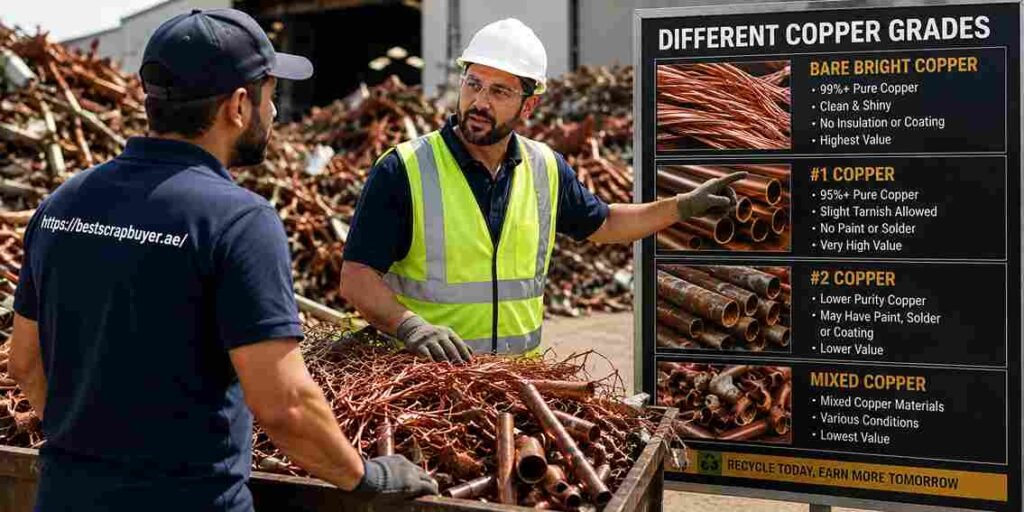
Many sellers focus only on the weight of their copper scrap and overlook the factors that professional recyclers actually use to determine its value. The quality, purity, cleanliness, and preparation of the material often have a greater impact on pricing than quantity alone. Understanding these factors before selling helps you avoid common errors that can reduce your earnings.
Professional buyers inspect every load carefully because different copper grades require different levels of processing before recycling. A well-prepared shipment saves time, reduces sorting costs, and increases recycling efficiency. Sellers who understand this process are usually in a better position to negotiate fairly and receive competitive market prices.
Not Understanding Copper Grades
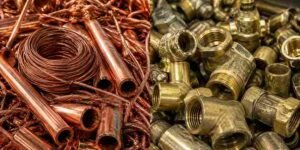
One of the biggest mistakes sellers make is assuming that all copper scrap has the same value. In reality, copper is classified into several grades based on its purity, condition, and level of contamination. Materials such as Bare Bright Copper and clean No.1 Copper are generally worth more because they require very little processing before being recycled. Lower grades that contain paint, solder, insulation, or oxidation require additional treatment, which naturally affects their market value.
Learning the basic differences between copper grades allows you to organize your materials before selling. Instead of mixing premium-quality copper with lower-grade scrap, you can separate each category and present it individually during inspection. This simple step helps recyclers evaluate your materials more accurately and often results in a better overall price.
Selling Without Checking Current Market Prices
Another common mistake is accepting the first offer without understanding the current value of copper in the recycling market. Copper prices change regularly due to international demand, manufacturing activity, mining output, and economic conditions. Because these factors fluctuate, the value of recyclable copper also changes over time.
Before selling your materials, it is worth checking current market trends and requesting quotations from a professional recycling company. Comparing offers allows you to understand whether the proposed price reflects current market conditions. This approach helps you make informed decisions instead of accepting a lower payment simply because you were unaware of recent price movements.
Choosing the Wrong Buyer
Selecting an inexperienced or unreliable buyer can significantly affect your overall selling experience. Some sellers focus only on convenience and overlook important factors such as accurate weighing, transparent grading, and professional inspection. Without a clear evaluation process, it becomes difficult to understand how the final price has been calculated, leading to uncertainty and dissatisfaction.
Working with experienced scrap buyers in Dubai provides greater confidence throughout the recycling process. Professional companies follow recognized grading standards, use certified weighing equipment, and explain how the value of your copper has been determined. This level of transparency not only helps sellers receive fair compensation but also builds trust for future recycling projects.
Common Mistakes That Reduce Copper Scrap Value
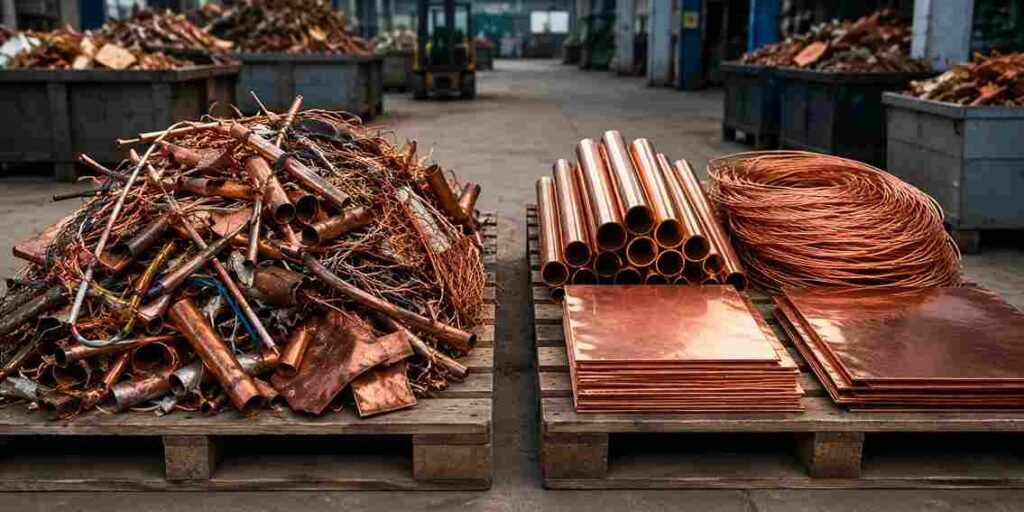
Many people lose money when selling copper scrap because they overlook a few simple but important preparation steps. While copper is always a valuable recyclable material, its final price depends on more than just its weight. Professional recyclers evaluate the condition, purity, and presentation of the material before determining its value. Avoiding common mistakes can help sellers receive a more accurate assessment and improve the overall recycling experience.
Taking a little extra time to organize and prepare your copper before collection can make a noticeable difference. Properly sorted and clean materials are easier to inspect, require less processing, and are generally more attractive to recycling companies. Understanding these mistakes before selling helps you protect the value of your recyclable copper and ensures a smoother transaction.
Mixing Different Copper Grades
One of the most common mistakes is placing all copper materials into a single container without separating them according to their grade. Bare Bright Copper, No.1 Copper, No.2 Copper, insulated wires, copper pipes, and mixed copper all have different recycling values because they require different levels of processing. When these materials are combined, it becomes more difficult for the buyer to evaluate them accurately, and higher-quality copper may be valued at the same rate as lower-grade materials.
Separating copper into individual categories before selling is one of the easiest ways to improve your overall return. Even simple sorting based on wire, pipes, sheets, and mixed scrap allows the inspection process to become faster and more accurate. This practice also demonstrates that the seller understands basic recycling standards, making it easier for both parties to complete the transaction efficiently.
Selling Dirty or Contaminated Copper
Copper that contains excessive dirt, oil, paint, concrete residue, plastic coverings, rubber insulation, or attached metal fittings often receives a lower valuation because additional cleaning is required before recycling. Although these materials can still be recycled, the extra labour involved increases processing costs, which may affect the final offer. Many sellers underestimate how much contamination can influence the grading process.
Cleaning copper does not require expensive equipment. Removing loose dirt, separating plastic components, and disconnecting unnecessary brass or steel fittings can significantly improve the quality of the material. However, it is important to avoid unsafe methods such as burning insulated wires to remove plastic coverings, as this may damage the copper and create environmental concerns. Safe preparation helps preserve the quality of the metal while supporting responsible recycling practices.
Ignoring Proper Sorting Before Collection
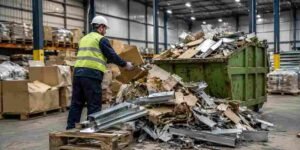
Another mistake that reduces copper value is collecting different recyclable materials together without any organization. Copper is often mixed with aluminium, brass, stainless steel, cables, electrical components, or general construction waste during renovation and demolition projects. While this may seem convenient during cleanup, it creates additional work during inspection and can delay the grading process.
Organizing recyclable materials before collection allows professional recyclers to identify each metal quickly and calculate its value more accurately. Clearly separated copper also reduces the possibility of premium-grade materials being overlooked or grouped with lower-value metals. Whether you are handling household renovations or large commercial projects, proper sorting helps protect the value of your copper while making recycling faster and more efficient.
Simple Ways to Increase Your Copper Scrap Value
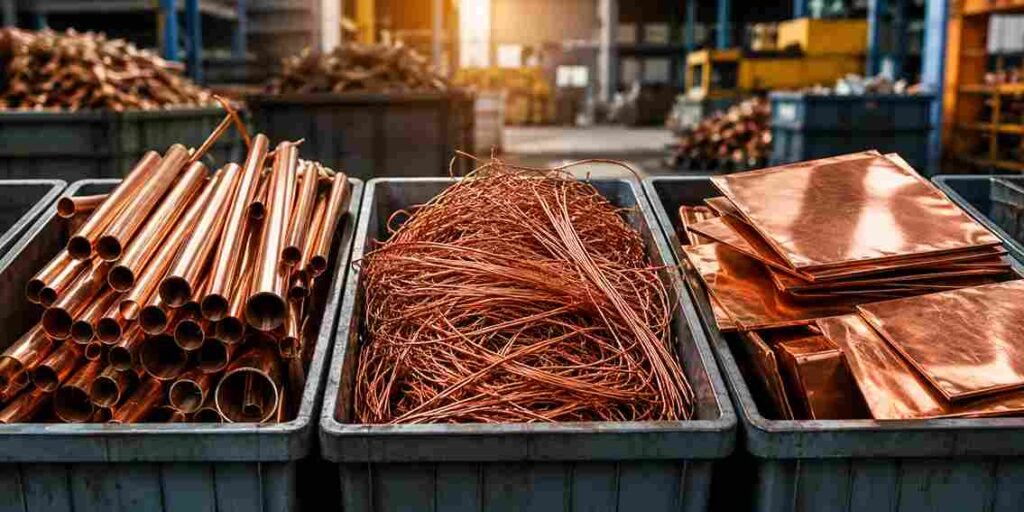
Maximizing the value of copper scrap is not always about finding higher prices. In many cases, better preparation can have a greater impact than waiting for market fluctuations. Small improvements in the way copper is stored, sorted, and presented often result in a more favourable inspection because the material is easier to recycle and requires less additional processing.
Sellers who consistently prepare their copper correctly also build stronger relationships with recycling companies. Well-organized shipments save time during inspection, reduce handling costs, and create a smoother collection process. These advantages benefit both the seller and the recycler while helping ensure the material receives a fair market valuation.
Prepare Copper Before Selling
Preparing copper before collection is one of the most effective ways to improve its value. Removing unnecessary attachments, keeping materials dry, and storing copper separately from general waste all contribute to a cleaner and more professional presentation. These simple steps help maintain the purity of the copper and reduce the amount of work required after collection.
It is also a good idea to inspect your copper before arranging a pickup. Identifying premium materials such as Bare Bright Copper or clean No.1 Copper allows them to be separated from lower-grade scrap. This preparation helps ensure each category is evaluated individually rather than being treated as mixed material during inspection.
Compare Buyers Before Accepting an Offer
Many sellers accept the first quotation they receive without comparing it with other professional recycling companies. While convenience is important, taking a little time to request multiple quotations can provide a better understanding of current market conditions and the true value of your copper scrap. Avoiding Common Mistakes When Selling Copper Scrap also means taking the time to compare buyers instead of accepting the first offer without proper research, as different companies may use slightly different grading methods or provide additional services that improve the overall selling experience.
Choosing an experienced scrap dealers Dubai is about more than just price. Reliable companies offer transparent weighing procedures, explain how materials are graded, and provide professional customer support throughout the recycling process. Comparing these factors alongside the quoted price helps sellers make more informed decisions and avoid unnecessary disappointment.
Keep Different Copper Types Separate
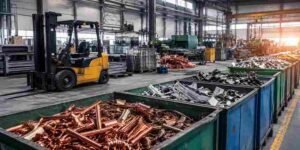
Keeping different copper types separated from the moment they are collected makes the entire recycling process much more efficient. Electrical wires, copper pipes, roofing sheets, motor windings, and mixed offcuts should ideally be stored in separate containers or clearly marked areas. This organization prevents accidental mixing and preserves the quality of premium-grade materials.
How Professional Copper Buyers Evaluate Scrap
Before offering a price, professional recycling companies carefully inspect every load of copper scrap. The evaluation process is not based on weight alone because the quality and condition of the material also play an important role in determining its value. Experienced recyclers follow industry standards to classify copper into different grades, ensuring that sellers receive a fair assessment based on the actual condition of their materials.
Understanding how this inspection process works helps sellers prepare their copper more effectively before collection. When materials are clean, properly sorted, and free from unnecessary contamination, the evaluation becomes faster and more accurate. This not only saves time but also increases the chances of receiving a competitive market price.
Material Quality Inspection
The first step in evaluating copper scrap is checking its overall quality. During the inspection, recyclers examine the material for signs of paint, plastic insulation, solder, oxidation, corrosion, oil, or other contaminants that may affect the recycling process. Copper that is clean and free from unwanted materials generally requires less processing, making it more valuable for recycling facilities.
Inspectors also identify the specific grade of copper by comparing its appearance, purity, and condition with established recycling standards. High-quality materials such as Bare Bright Copper and clean No.1 Copper are separated from lower-grade scrap to ensure accurate pricing. This careful inspection allows each type of copper to be valued according to its actual recycling potential rather than being treated as mixed material.
Weight and Purity Assessment
After the quality inspection is complete, the copper is weighed using certified digital scales to determine the total quantity being sold. Accurate weighing is essential because it provides the foundation for calculating the final payment. However, the total weight alone does not determine the overall value. The purity of the copper is equally important because cleaner materials require fewer processing stages before they can be recycled into new products.
Professional recyclers combine both weight and purity when calculating a quotation. Two sellers may bring the same quantity of copper, but if one load is clean and properly sorted while the other contains mixed or contaminated materials, the final value may be significantly different. This is why preparing copper before selling is one of the most effective ways to maximize its recycling value.
Current Market Demand
Copper prices are closely linked to global market conditions, making current demand another important factor during the evaluation process. Recycling companies regularly monitor international copper prices, manufacturing activity, infrastructure projects, and industrial demand to ensure that their purchasing rates remain aligned with the market. As these factors change, copper scrap values also fluctuate throughout the year.
Working with a professional Scrap Purchasing Company in Dubai ensures that your materials are valued according to current market conditions rather than outdated estimates. Established recyclers update their pricing regularly and apply consistent grading standards, giving sellers greater confidence that the quotation reflects both the quality of their copper and the latest market trends.
Selling Copper Scrap with Confidence
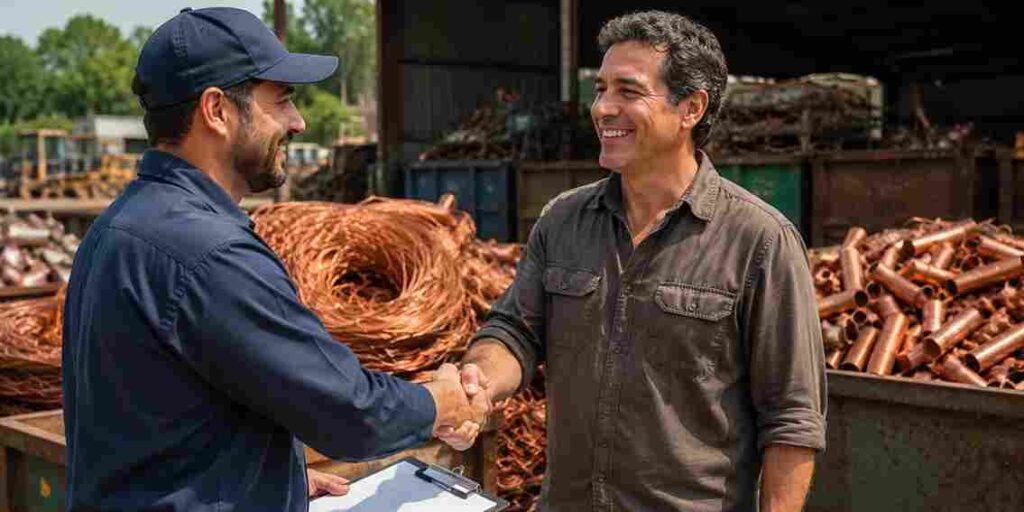
Selling copper scrap becomes much easier when you understand the recycling process and prepare your materials correctly. Rather than focusing only on finding the highest price, experienced sellers also pay attention to transparency, communication, and the professionalism of the recycling company. A well-organized transaction reduces uncertainty and helps ensure that every stage of the process is completed fairly.
Building good recycling habits also provides long-term benefits. Whether you sell copper occasionally or generate recyclable materials on a regular basis, following a consistent approach improves efficiency and helps create a more reliable selling experience every time.
Ask Questions Before Selling
Many sellers hesitate to ask how their copper will be graded or how the final quotation is calculated. However, asking these questions helps create transparency and ensures that both parties clearly understand the evaluation process. A professional recycler should be able to explain the grading standards used, identify different copper categories, and describe how the final value is determined.
Clear communication also allows sellers to understand whether any preparation could improve the quality of their materials before collection. Receiving this information in advance helps avoid misunderstandings and provides greater confidence throughout the selling process.
Keep Records of Large Transactions
Businesses that regularly recycle copper often benefit from maintaining simple records of their transactions. Recording the type of copper sold, the quantity, collection dates, and agreed prices makes it easier to monitor recycling activities over time. These records can also help compare quotations from different collections and support better planning for future recycling projects.
Maintaining organized documentation demonstrates professionalism and improves communication between sellers and recycling companies. For industrial businesses, construction contractors, and manufacturing facilities, accurate records also contribute to better inventory management and sustainability reporting.
Choose a Reliable Recycling Partner
The company you choose can have a significant impact on both the value of your copper scrap and the overall selling experience. A reliable recycling partner provides transparent inspections, certified weighing systems, prompt payments, and environmentally responsible recycling practices. These qualities help ensure that every transaction is completed fairly and efficiently.
Choosing an experienced recycling company also reduces unnecessary delays and gives sellers confidence that their copper will be handled professionally. Whether you are recycling materials from a household renovation or a large commercial project, working with the right partner helps maximize value while supporting responsible resource recovery and environmental sustainability.
Final Tips Before Selling Copper Scrap
Selling copper scrap successfully is not only about finding a buyer. The way you prepare, sort, and present your materials can have a direct impact on the final value you receive. Spending a little extra time before arranging a collection helps avoid unnecessary deductions during the inspection process and allows recyclers to evaluate your materials more accurately.
Whether you are selling copper from a residential renovation, a commercial project, or an industrial facility, following a few simple best practices can improve your overall experience. Proper preparation, clear communication, and choosing an experienced recycling partner ensure that your copper is handled professionally while helping you achieve the best possible return.
Organize Your Copper Before Pickup
Keeping copper separated by grade and storing it in a clean, dry location makes the inspection process much easier. Materials such as Bare Bright Copper, copper pipes, insulated wires, and mixed copper should be placed in separate containers whenever possible. This organization allows recyclers to identify each category quickly and reduces the possibility of valuable materials being grouped with lower-grade scrap.
Proper storage also protects copper from additional contamination caused by dirt, moisture, or construction debris. A well-prepared shipment demonstrates good recycling practices and helps maintain the quality of the material until collection takes place.
Work With a Professional Recycling Company
Choosing an experienced recycling company provides benefits beyond competitive pricing. Professional recyclers use certified weighing equipment, follow recognized grading standards, and explain how your copper has been evaluated. This transparency helps sellers understand the value of their materials while creating confidence throughout the transaction.
A reliable recycling partner also offers efficient collection services, prompt communication, and environmentally responsible recycling methods. These qualities are especially important for businesses that generate recyclable copper regularly and require dependable collection schedules.
Keep Learning About Copper Recycling
The recycling industry continues to evolve as technology, environmental regulations, and global demand for recycled metals change over time. Staying informed about copper grades, market trends, and proper preparation techniques helps sellers make better decisions whenever they recycle valuable materials.
Learning from experienced recycling professionals also helps avoid common mistakes that could reduce the value of your copper. A better understanding of the recycling process ensures that every future transaction becomes easier, more efficient, and more profitable.
| Checklist Item | Why It Matters | Benefit |
|---|---|---|
| Separate copper by grade | Prevents premium copper from mixing with lower grades. | Better overall value |
| Remove unnecessary fittings | Reduces processing time before recycling. | Higher quality assessment |
| Keep copper clean and dry | Prevents contamination and protects material quality. | Improves grading |
| Check current copper prices | Helps understand changing market conditions. | Better selling decisions |
| Compare professional quotations | Ensures competitive pricing from different buyers. | Fair market value |
| Store copper safely before collection | Protects material quality during storage. | Easier inspection |
| Work with an experienced recycler | Promotes transparent transactions and accurate grading. | Smooth selling experience |
Frequently Asked Questions
Should I remove insulation from copper wires before selling?
If insulation can be removed safely without damaging the copper, it may improve the grade of certain materials. However, burning cables is not recommended because it can damage the copper and create environmental concerns.
Does oxidized copper still have recycling value?
Yes. Even copper with surface oxidation can be recycled successfully. While heavy contamination may affect its grade, oxidized copper remains a valuable recyclable metal.
Can businesses arrange regular copper scrap collections?
Yes. Many recycling companies provide scheduled collection services for construction companies, factories, warehouses, and manufacturing facilities that regularly generate copper scrap.
Why do two buyers sometimes offer different prices?
Every recycling company evaluates copper according to its own grading process, operational costs, and current market conditions. Comparing quotations from professional buyers helps sellers understand the true value of their materials.
What is the easiest way to increase copper scrap value?
Sorting different copper grades, removing unnecessary contaminants, storing materials properly, and preparing copper before collection are some of the simplest ways to maximize its recycling value.
Conclusion
Avoiding common mistakes when selling copper scrap can make a significant difference in the value you receive and the overall recycling experience. Understanding copper grades, keeping different materials separated, removing unnecessary contamination, and preparing your scrap before collection all contribute to a more accurate inspection and a fair market valuation. These simple practices not only help maximize the return on your recyclable materials but also support efficient and environmentally responsible recycling.
If you are looking for a trusted recycling partner, bestscrapbuyer is here to help with professional copper scrap collection, transparent pricing, and reliable recycling services. Contact our team today at +9710509973816 to request a free quotation, schedule a pickup, and sell your copper scrap with confidence.