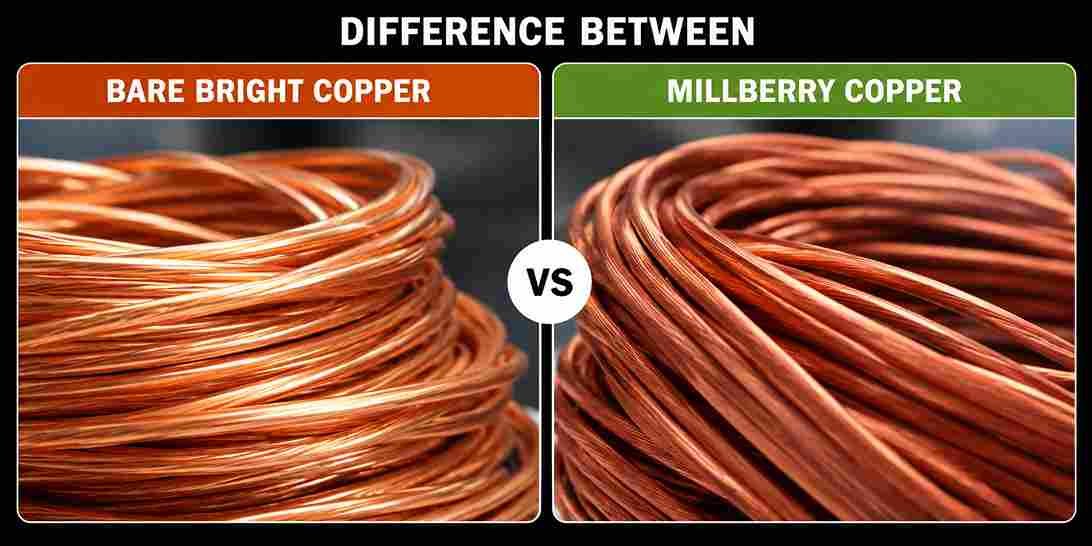
Copper is one of the most valuable recyclable metals in the world and plays an important role in construction, manufacturing, electrical systems, and industrial applications. Understanding the Difference Between Bare Bright Copper and Millberry Copper is essential for anyone involved in copper recycling because these two terms are often used interchangeably. While both represent high-quality copper, many sellers are unsure whether they are different grades or simply different names used within the recycling industry.
Dubai’s growing infrastructure and industrial sectors generate large amounts of recyclable copper from electrical wiring, renovation projects, machinery, and construction activities. Professional recycling companies carefully inspect copper materials based on purity, appearance, and condition before assigning a grade and determining their value. Knowing how Bare Bright Copper and Millberry Copper are classified can help sellers prepare their materials correctly, avoid confusion during inspections, and make informed decisions before selling their copper scrap.
This guide explains the key differences between Bare Bright Copper and Millberry Copper, where these materials are commonly found, how recyclers identify them, and why they are considered among the most valuable forms of recyclable copper. You will also learn whether there is any real difference between the two grades and how understanding these classifications can help maximize the value of your recyclable materials.
What Is Bare Bright Copper?
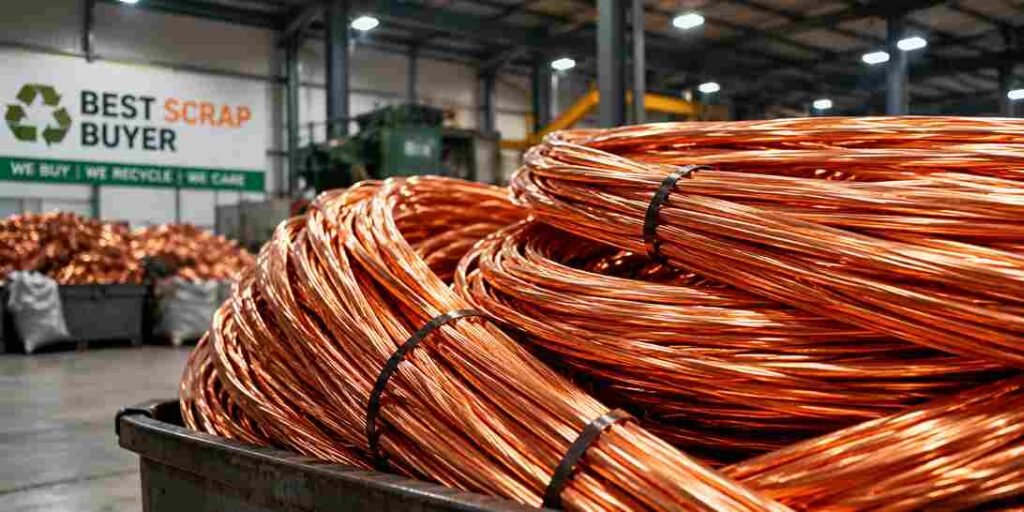
Bare Bright Copper is widely recognized as the highest-grade copper scrap available in the recycling industry. It consists of clean, uncoated, unalloyed copper wire that is free from paint, insulation, solder, lacquer, oxidation, or any other contaminants. Because of its exceptional purity, Bare Bright Copper requires very little processing before being melted and reused in the production of new electrical products, industrial components, and copper-based materials.
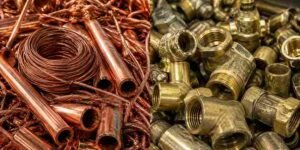
One of the defining characteristics of Bare Bright Copper is its bright reddish-orange appearance. The wire is flexible, clean, and completely exposed without any plastic insulation attached. This high level of purity allows recycling companies to process the material quickly, making it one of the most desirable grades for manufacturers and metal recyclers worldwide.
Common Sources of Bare Bright Copper
Bare Bright Copper is commonly recovered during electrical upgrades, commercial renovations, industrial maintenance work, and demolition projects. Electricians frequently collect this material after removing old electrical wiring from residential buildings, factories, shopping centres, and office complexes. Copper recovered from unused electrical cables also falls into this category once the insulation has been removed safely.
Because the material is already clean and requires minimal preparation, recycling facilities place a high value on Bare Bright Copper. Proper storage and careful handling help preserve its quality, ensuring that it remains free from contamination before inspection.
Why Bare Bright Copper Has High Recycling Value
The exceptional purity of Bare Bright Copper significantly reduces the amount of processing required before recycling. Since there are no coatings, plastic coverings, or foreign materials to remove, recyclers can send the copper directly for melting and manufacturing. Lower processing costs and high demand from manufacturers contribute to its strong market value throughout the recycling industry.
Businesses that regularly generate Bare Bright Copper often separate it from other copper grades to maximize their recycling returns. Proper sorting ensures that premium-quality copper is not mixed with lower-grade materials, allowing it to be assessed according to its true value.
What Is Millberry Copper?
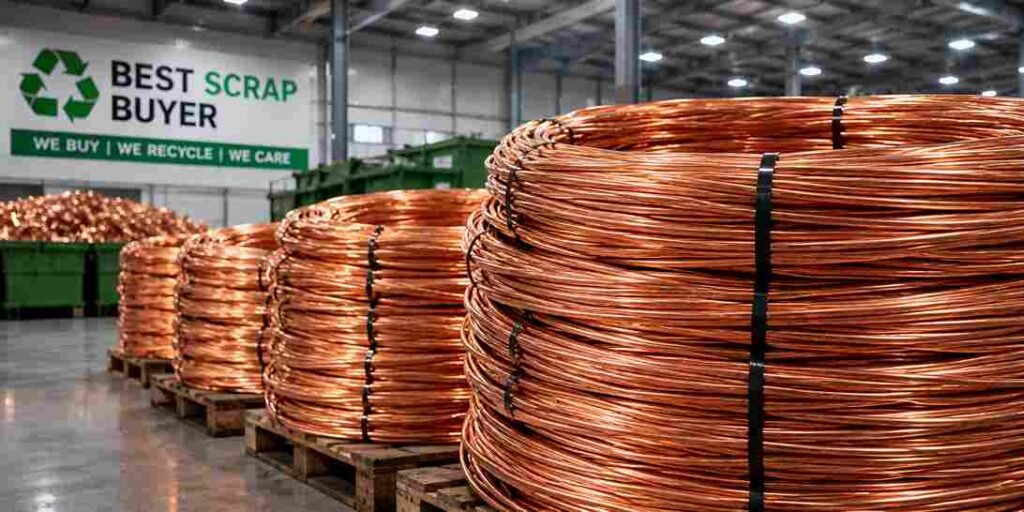
Millberry Copper is another term frequently used in the international scrap metal industry to describe premium-quality copper with an exceptionally high purity level. It generally refers to clean, bright, uncoated, and unalloyed copper wire that contains very little contamination and requires minimal processing before recycling. Because of its outstanding conductivity and excellent physical condition, Millberry Copper is widely accepted by copper recyclers, smelters, and manufacturers around the world.
Although the name “Millberry Copper” is commonly used in international metal trading, many recycling companies classify the same material as Bare Bright Copper. The difference usually depends on regional terminology rather than the physical properties of the copper itself. In most cases, both terms describe clean copper wire that meets strict recycling standards and delivers outstanding performance during the manufacturing process.
Common Sources of Millberry Copper
Millberry Copper is usually recovered from electrical cables, industrial wiring, telecommunications systems, transformers, electrical panels, and manufacturing equipment. Large construction projects, electrical contractors, and industrial maintenance companies regularly generate this type of copper when replacing outdated electrical installations or upgrading production facilities. Since the copper remains clean and free from unwanted materials, it is highly suitable for recycling.
Many recycling companies encourage sellers to keep Millberry Copper separate from lower-grade materials during collection. Mixing premium-quality copper with painted wires, oxidized pipes, or insulated cables can reduce the overall value of an entire shipment. Proper separation allows inspectors to identify the material quickly and assign the appropriate grade without unnecessary delays during the inspection process.
Why Millberry Copper Is Highly Valuable
Millberry Copper is considered one of the most valuable forms of recyclable copper because of its exceptional purity and limited processing requirements. Recycling facilities can melt this material directly with minimal preparation, reducing labour costs and improving production efficiency. Manufacturers also prefer high-purity recycled copper because it maintains excellent electrical conductivity and mechanical performance when converted into new products.
Another reason for its strong market demand is sustainability. Recycling high-quality copper requires significantly less energy than producing new copper from mined ore, helping conserve natural resources while reducing environmental impact. As industries continue to increase their focus on sustainable manufacturing, demand for premium recycled copper remains consistently high.
Is Bare Bright Copper the Same as Millberry Copper?
This is one of the most common questions asked by people who are new to copper recycling. The simple answer is that Bare Bright Copper and Millberry Copper are generally considered the same grade of high-purity copper in most international recycling markets. Both terms describe clean, bright, uncoated copper wire with extremely high copper content and very little contamination.
The main difference lies in the terminology rather than the material itself. In dubai, recycling companies more commonly use the term Bare Bright Copper, while international metal traders, exporters, and some Asian and European markets often use the term Millberry Copper. Despite the different names, both refer to premium-quality copper that meets strict recycling standards.
Similarities Between Bare Bright Copper and Millberry Copper
Both Bare Bright Copper and Millberry Copper share almost identical physical characteristics. They are clean, flexible, shiny copper wires without insulation, paint, solder, or coatings. Their purity levels are extremely high, allowing recyclers to process them quickly with minimal preparation before melting.
Both materials are also widely used in electrical manufacturing because recycled high-purity copper retains excellent conductivity. As a result, recycling companies actively seek these grades and generally offer higher prices compared to lower-quality copper scrap that requires additional cleaning or separation.
Are There Any Real Differences?
From a recycling perspective, there is very little difference between Bare Bright Copper and Millberry Copper. The variation is mostly based on regional naming conventions rather than changes in quality or composition. Some international traders may specify slightly different purity requirements depending on export contracts, but for everyday recycling activities, both names are commonly used to describe the highest grade of clean copper wire.
For sellers, the most important factor is not whether the material is called Bare Bright or Millberry Copper. What matters most is maintaining the cleanliness, purity, and condition of the copper before selling it. Proper preparation ensures that the material qualifies for premium grading regardless of the terminology used by the recycling company.
How Professional Recyclers Identify Premium Copper
Professional recyclers follow established inspection procedures to determine whether copper qualifies as Bare Bright or Millberry grade. Inspectors first examine the appearance of the wire, ensuring that it is bright, clean, and completely free from insulation or coatings. They also check for oxidation, corrosion, paint, solder, grease, and other contaminants that may affect the material’s purity.
After the visual inspection, the copper is assessed according to industry grading standards before being weighed using certified equipment. If the material meets the required quality criteria, it is classified as premium-grade copper and valued accordingly. This consistent evaluation process ensures fairness while helping sellers receive an accurate market valuation based on the actual condition of their recyclable copper.
| Bare Bright Copper | Comparison Factor | Millberry Copper |
|---|---|---|
| 99.9% Pure Copper | Quality | 99.9% Pure Copper |
| Bright, Shiny & Clean | Appearance | Bright, Shiny & Clean |
| No Insulation or Coating | Purity | No Insulation or Coating |
| Electrical Wiring, Power Cables | Common Sources | Electrical Wiring, Industrial Cables |
| Very Low | Processing Required | Very Low |
| Highest Grade | Recycling Grade | Highest Grade |
| Excellent | Market Demand | Excellent |
| AED 26–32/kg (Estimated) | Estimated Dubai Market Price | AED 26–32/kg (Estimated) |
| Used mainly in local recycling yards | Market Usage | Common in export & international trading |
| Premium Value | Overall Value | Premium Value |
Which Copper Grade Is Better?
After comparing both materials, it becomes clear that neither Bare Bright Copper nor Millberry Copper is technically superior to the other. In most recycling markets, they represent the same premium-quality copper with outstanding purity and excellent recycling performance. The difference is primarily based on terminology rather than composition. Some recycling companies use the name Bare Bright Copper, while exporters and international traders often refer to the same material as Millberry Copper.
For sellers, the priority should always be maintaining the quality of the copper rather than focusing on the name used by the buyer. Clean, uncoated, and properly sorted copper consistently receives better evaluations because it requires minimal processing before recycling. Preserving the condition of the material helps ensure that it qualifies for the highest possible grading regardless of the terminology used during inspection.
Tips to Maximize the Value of Premium Copper
Preparing premium copper correctly before selling helps maintain its quality and improves the overall recycling process. Storing copper in a clean and dry location prevents unnecessary contamination, while separating premium-grade wire from lower-quality materials ensures that it can be evaluated accurately during inspection. These simple practices reduce additional handling and make it easier for recyclers to assign the correct grade.
It is equally important to avoid damaging the copper during preparation. Safe removal of insulation, careful handling during transportation, and keeping copper away from paint, grease, or construction debris all contribute to maintaining its premium quality. Sellers who consistently prepare their materials properly often experience smoother inspections and more accurate valuations over time.
Frequently Asked Questions
Is Millberry Copper the same as Bare Bright Copper?
In most international recycling markets, yes. Both terms generally describe clean, high-purity copper wire with no insulation or contamination, although the terminology may vary by region.
Which copper grade usually receives the highest recycling value?
Premium-quality Bare Bright Copper or Millberry Copper typically receives the highest valuation because it requires very little processing before recycling.
Can oxidized copper be classified as Bare Bright Copper?
No. Visible oxidation, corrosion, paint, solder, or contamination usually prevents copper from qualifying as Bare Bright or Millberry grade.
Why do some buyers use the term Millberry Copper while others use Bare Bright Copper?
The difference is mainly regional. Bare Bright Copper is commonly used by recycling companies, while Millberry Copper is frequently used in international metal trading and export markets.
How can I identify premium copper before selling it?
Look for clean, bright, uncoated copper wire with no insulation, paint, solder, grease, or corrosion. Keeping it separate from lower-grade materials also helps preserve its premium classification.
Conclusion
Understanding the Difference Between Bare Bright Copper and Millberry Copper helps sellers make informed decisions before recycling valuable copper materials. Although these two terms are often used interchangeably, both generally refer to premium-quality copper with exceptional purity, excellent conductivity, and strong recycling demand. By keeping copper clean, properly sorted, and free from contamination, sellers can improve the inspection process and help preserve the highest possible recycling value.
If you are looking for a trusted company to recycle premium copper scrap, BestScrapBuyer provides professional collection services, transparent inspections, and competitive market pricing across Dubai. Contact our team today at +9710509973816 to request a free quotation and recycle your copper with confidence.